
Description
1. Product Overview
This product is a high-performance Silicon Carbide fiber-reinforced Silicon Carbide matrix (SiC/SiC) ceramic composite, engineered for extreme thermostructural environments exceeding 1,200°C. Its primary industrial applications are aerospace propulsion (turbine shrouds, combustor liners), high-efficiency land-based gas turbines, and advanced nuclear reactor components. The key value proposition is a 50–70% weight reduction versus superalloys while maintaining oxidation resistance and fracture toughness, enabling higher operating temperatures and lower cooling air requirements. Strategically, SiC/SiC is critical for the global energy transition and next-gen aviation, as it directly improves thermodynamic efficiency, reduces CO₂ per megawatt, and replaces rare-earth-dependent alloys.
2. Key Specifications & Technical Characteristics
-
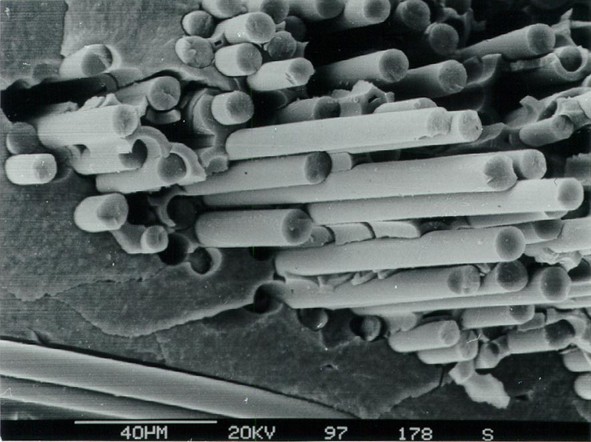
Chemical Composition: Continuous SiC fibers (Hi-Nicalon Type S or equivalent) + CVD/CVI SiC matrix; no free carbon or residual silicon phases
-
Purity Level: ≥99.8% β-SiC; trace impurities (Fe, Al, Ni) <50 ppm total
-
Physical Characteristics:
-
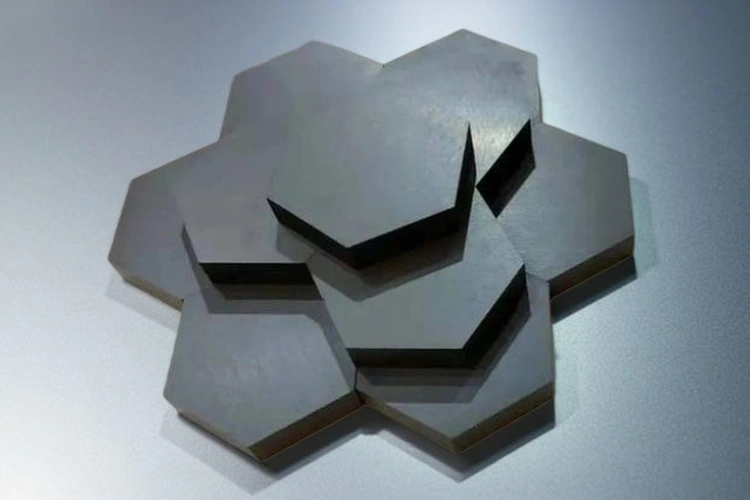
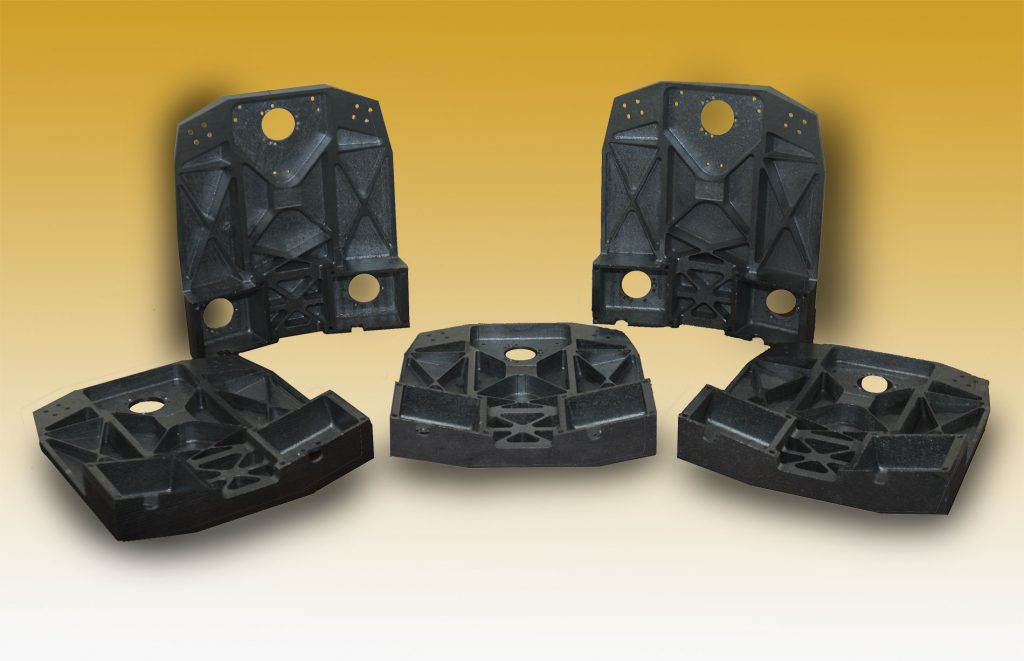
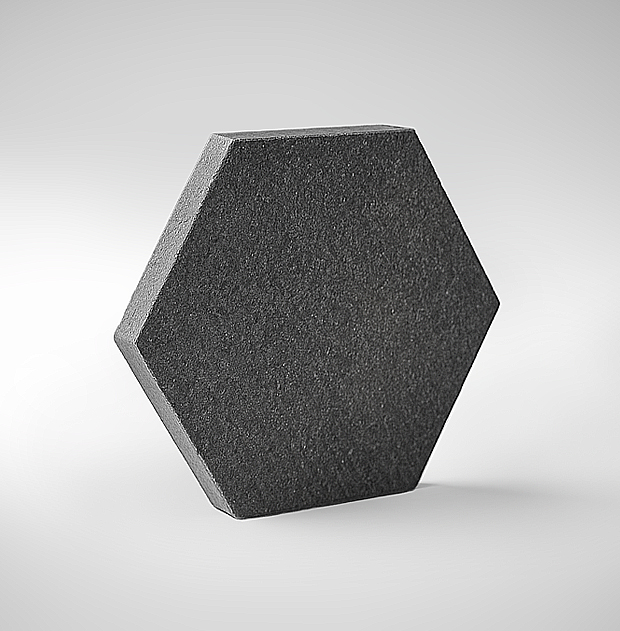
Form: 2D, 2.5D, or 3D woven panels, near-net-shape preforms, or machined tiles
-
Color: Dark grey to black
-
Density: 2.75 – 2.95 g/cm³ (98–99% theoretical density)
-
Porosity: <5% open porosity
-
Fiber volume fraction: 38 – 42%
-
-
Packaging Options: Vacuum-sealed desiccated bags with foam-lined industrial crates; nitrogen-purged for long-distance shipping
-
Shelf Life: 24 months in unopened, climate-controlled storage (15–25°C, <40% RH) with no property degradation
3. Core Industrial Applications
-
Primary Industries: Aerospace & defense, heavy-duty gas turbines (power generation), nuclear fusion/fission systems, industrial heat treatment furnaces
-
Specific Operational Use Cases:
-
Aerospace: Turbine shroud rings and combustor liners – withstands 1,400°C surface temperatures with 25% less cooling bleed air vs. CMC-coated alloys
-
Power Generation: Stationary vanes in F, G, H, and J-class gas turbines – reduces specific fuel consumption by 3–5% over 30,000-hour intervals
-
Nuclear: Accident-tolerant fuel cladding (LWRs) and first-wall components (fusion reactors) – retains fracture toughness after 20 dpa irradiation at 1,000°C
-
-
Performance Advantage over Alternatives:
-
vs. Inconel 718: 65% lower density, no oxidation limit below 1,200°C, 10× longer thermal cycle life
-
vs. Monolithic SiC: 200× higher fracture toughness (K_IC > 12 MPa√m vs. 2–3), non-brittle failure mode
-
vs. Oxide-oxide CMC: Superior creep resistance at 1,200°C/100 MPa (steady-state creep rate <10^-8 s^-1)
-
4. Competitive Advantages
-
Quality Consistency: Statistical process control (SPC) with real-time acoustic emission monitoring during CVI; each batch includes CT volume defect analysis and 4-point flexural strength mapping (Weibull modulus >12).
-
Supply Reliability: Vertically integrated from precursor polymer (polycarbosilane) to final machining; dual-source contingency on fiber tows (Japan & US). Typical on-time delivery rate: 98.7% over 36 months.
-
Logistics Capability: Express temperature-controlled air freight (5–7 days global) or bonded warehouse consolidation for multi-ton orders; end-to-end IoT tracking with shock/vibration alerts.
-
Price Competitiveness: Tier-1 performance at 30–40% lower cost per component vs. established European suppliers, driven by proprietary rapid CVI cycles (40% shorter cycle time).
-
Sustainability & Technical Support: 85% recyclable machining swarf back into SiC feedstock; full dossier includes FEM validation files (ANSYS/Abaqus), oxidation life prediction models (100–1,500°C), and on-site installation training for hot-section integration.
5. Commercial & Supply Information
-
Minimum Order Quantity (MOQ): BULK 20 MT (metric tons) per product line item
-
Loading Capacity: 12 MT per 20-foot dry container (palletized, 800 kg/m³ stack density); 24 MT per 40-foot high-cube container with optimized nesting
Reviews
There are no reviews yet.