
Description
1. Product Overview
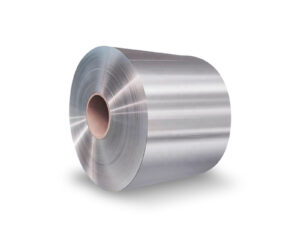
The Molybdenum Sheet (Mo1) represents the highest-grade, unalloyed molybdenum product available for high-temperature and high-precision industrial environments. Manufactured from vacuum-sintered and thermomechanically processed pure molybdenum, this sheet is primarily deployed in furnace tooling, electronics, and aerospace components requiring structural integrity beyond 1,200°C. Its key value proposition lies in exceptional creep resistance, superior thermal conductivity, and minimal thermal expansion under extreme loads. Strategically, Mo1 is indispensable for industries transitioning to higher-efficiency thermal processes, including semiconductor fabrication and advanced glass melting, where material failure is not an option.
2. Key Specifications & Technical Characteristics
-
Chemical Composition: Mo ≥ 99.95% (Mo1, ASTM B386 Grade 361); trace elements (Fe, Ni, C, O, N) each ≤ 0.01%
-
Purity Grade: 99.95% minimum pure molybdenum (unalloyed)
-
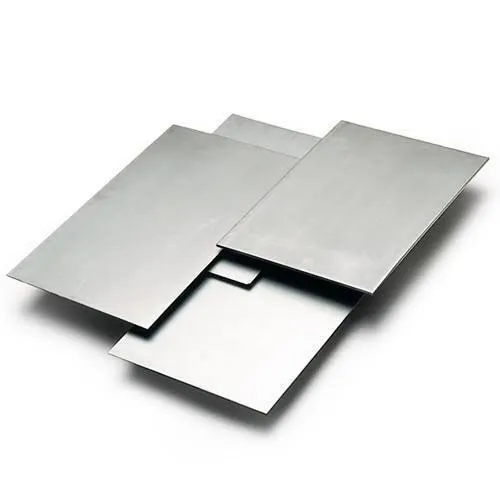
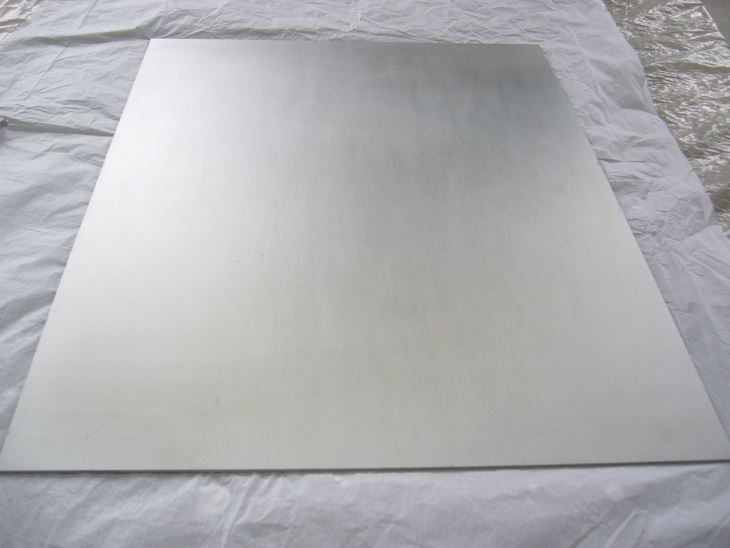
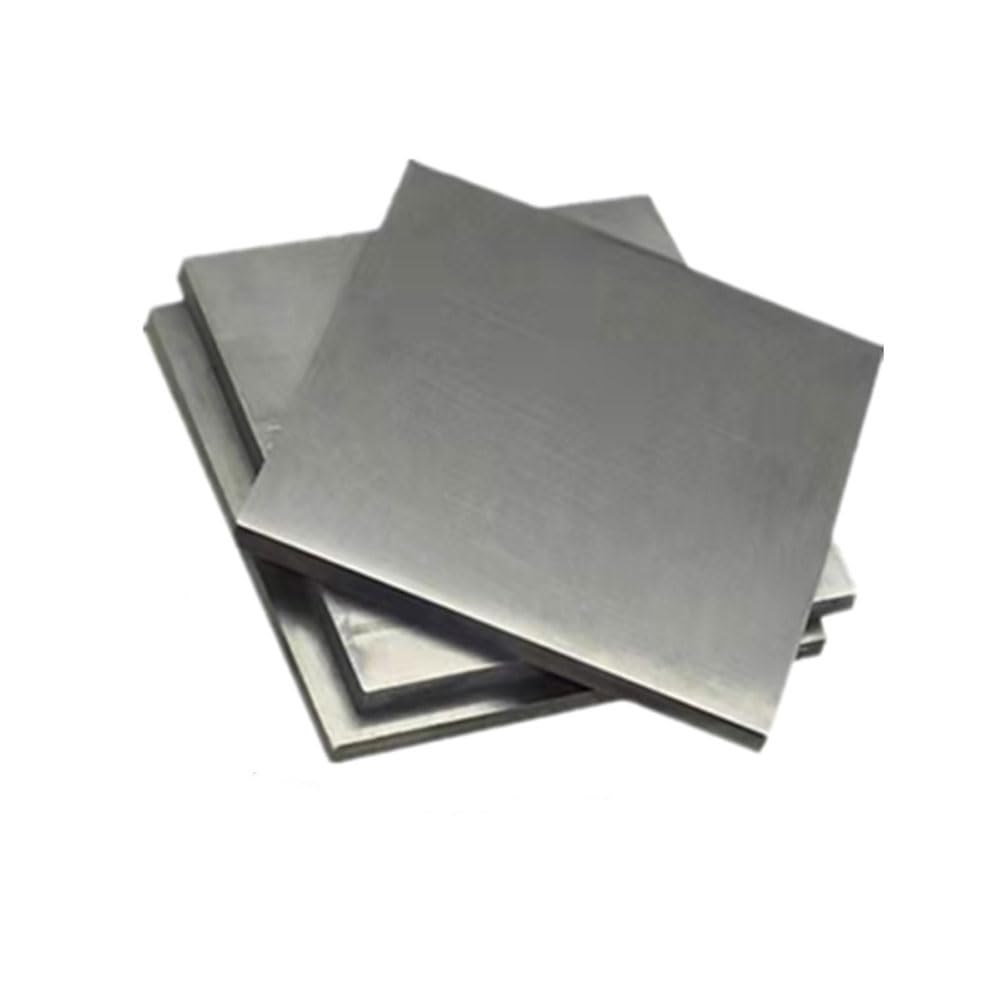
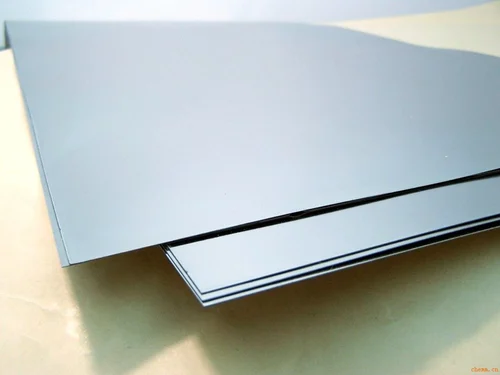
Physical Form: Rolled sheet / plate / foil; mill-finished or ground surface
-
Color/Appearance: Dark silver-gray metallic; oxide-free under vacuum packaging
-
Density: 10.22 g/cm³ (fully dense, >99.9% theoretical)
-
Thickness Range: 0.1 mm to 15.0 mm (tolerance: ±0.02–0.10 mm depending on gauge)
-
Width × Length: Up to 600 mm × 1,200 mm (custom slitting available)
-
Packaging: Vacuum-sealed plastic + desiccant, reinforced wooden crates for export
-
Shelf Life: Indefinite under dry, non-corrosive storage (≤50% humidity, no H₂S or halogens)
3. Core Industrial Applications
-
High-Temperature Vacuum Furnaces (Primary Industry): Used as heating element shields, hearth plates, and liners. Outperforms nickel alloys or graphite in reducing embrittlement and oxidation; provides 3× longer service life at 1,300°C compared to 316L stainless steel.
-
Semiconductor & Electronics (Leading industry): Acts as ion implantation components, sputtering targets, and LED chip carrier plates. Mo1’s high purity eliminates cross-contamination (critical for 5nm nodes) where lower-grade Mo introduces metallic residues.
-
Aerospace & Defense: Rocket nozzle throat inserts and heat shields. Mo1 maintains tensile strength (≥500 MPa at 1,000°C) where titanium alloys fail beyond 600°C.
-
Glass Melting & Ceramics: Molybdenum electrodes for low-iron glass tanks. Superior corrosion resistance against molten borosilicate compared to platinum-clad materials at 70% lower cost.
4. Competitive Advantages
-
Quality Consistency: 100% EDS + ultrasonic flaw inspection per coil; each sheet traceable to original vacuum sintering batch. Certified to ISO 9001:2025 and AMS 7826.
-
Supply Reliability: Dual-sourced virgin Mo powder (China and Chile). Capacity of 40 MT/month for sheet products; typical lead time 3–5 weeks for repeat orders.
-
Logistics Capability: Sea/air freight with real-time tracking; anti-tilt and moisture-controlled crating ensures ≤0.05% surface oxidation risk even for 45-day ocean transit.
-
Price Competitiveness: Direct from rolling mill – no trader markup. Pricing at 15–20% below European and Japanese equivalent grades (e.g., Plansee, H.C. Starck) for same ASTM compliance.
-
Sustainability: Produced using >60% hydroelectric rolling power; 100% recyclable scrap buy-back program offered to contract buyers.
-
Technical Support: Full thermal stress simulation reports (FEA) and custom annealing schedules provided free of charge with first purchase order.
5. Commercial & Supply Information
-
Minimum Order Quantity (MOQ): BULK 20 MT per mixed-size order (can combine thicknesses / widths)
-
Loading Capacity: 20 MT per standard 20‑foot container (palletized and vacuum-packed to maximize density)
-
Pricing Model: FOB Shanghai / Rotterdam / Los Angeles – volume tiers available above 50 MT/month
-
Payment Terms: LC at sight for first transaction; net 60 days for qualified strategic accounts after credit review
Reviews
There are no reviews yet.