
Description
-
Product Overview
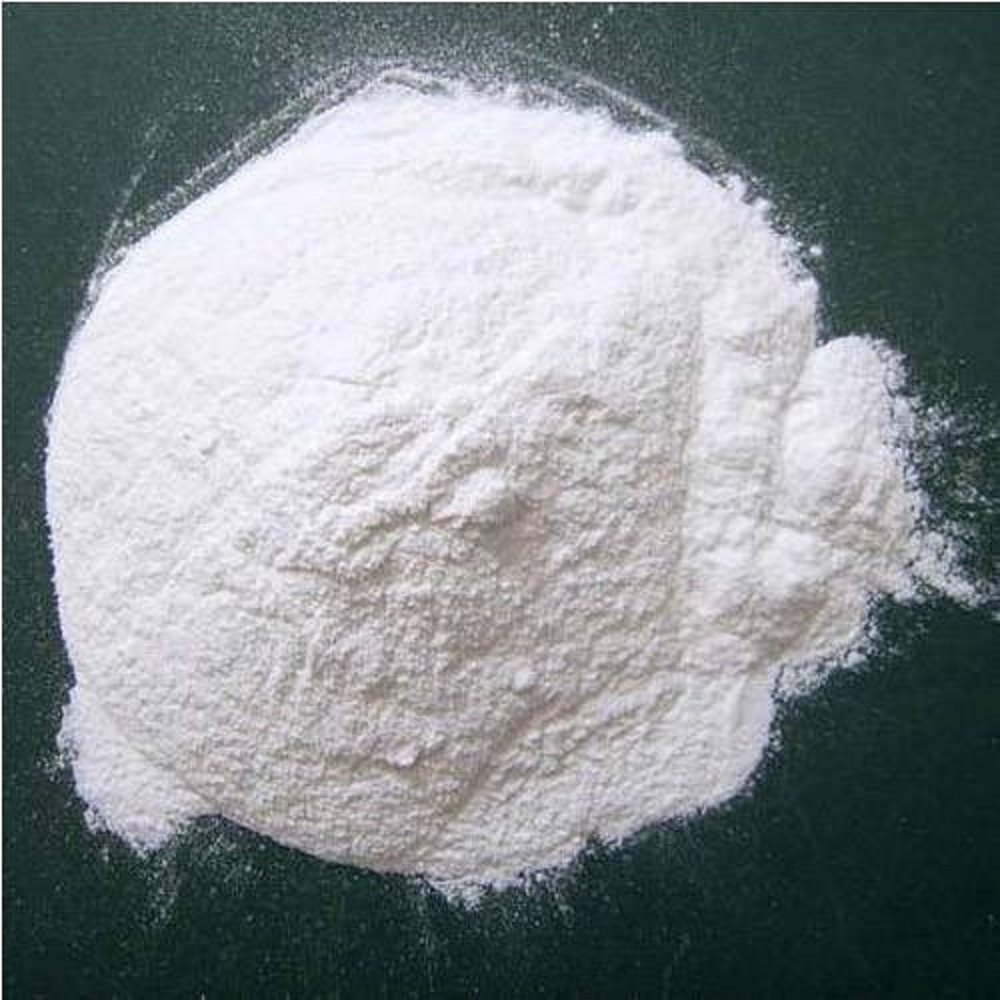
Calcium Propionate (E282) is a broadly used antimicrobial salt of propionic acid, supplied as a stable, free-flowing powder for industrial preservation. Its primary industrial use is as a mold and bacterial growth inhibitor in food processing and feed manufacturing, extending shelf life and safeguarding product quality. The key value proposition is reliable, regulatory-compliant microbial control that reduces spoilage, lowers waste, and supports consistent product safety across production lines. Strategically, Calcium Propionate is essential for manufacturers and ingredient suppliers seeking predictable preservation performance, cost-effective shelf-life extension, and supply-chain resilience in B2B food, bakery, and feed markets. -
Key Specifications & Technical Characteristics
-
Chemical composition: Calcium propionate (calcium salt of propionic acid), formula C6H10CaO4.
-
Active content (propionate as Ca(C2H5COO)2): typical assay ≥ 98.0% (dry basis).
-
Purity / grade: Food-grade / Feed-grade options; conforms to E282 regulatory designation.
-
Physical form: Free-flowing crystalline powder.
-
Color: White to off-white.
-
Particle size: Typical D50 50–250 µm (custom milling available on request).
-
Bulk density: 0.6–0.9 g/cm³ (tamped/untamped density options by request).
-
Moisture content: ≤ 1.5% (typical).
-
pH (10% aqueous solution): ~7.5–8.5.
-
Solubility: Moderately soluble in water; insoluble in non-polar solvents.
-
Impurities: Heavy metals and residual solvents within food/feed regulatory limits.
-
Packaging options: 25 kg kraft/poly-lined bags, 500 kg FIBC (bulk bags), 20 MT bulk palletized or loose in container; custom packaging available.
-
Shelf life: 24 months when stored in cool, dry, well-ventilated conditions away from strong acids and moisture.
-
Storage conditions: Store below 30°C, relative humidity <65%, keep containers tightly closed.
-
Core Industrial Applications
-
Bakery & Confectionery: Used to inhibit mold/bacterial growth in bread, cakes, and pastries; extends on-shelf freshness and reduces daily waste in high-throughput bakeries.
-
Dairy & Processed Foods: Employed in processed cheeses, sour creams, and prepared foods to control spoilage organisms without altering flavor profile.
-
Animal Feed: Acts as a preservative in compounded feeds to prevent aerobic spoilage and mycotoxin-related risks during storage and transport.
-
Pet Food & Treats: Prevents mold proliferation in high-moisture and baked pet products, aiding consistent quality and regulatory compliance.
-
Ingredient Blending & Contract Manufacturing: Compatible with dry-blend operations and dosing systems; stable under standard processing temperatures and mixing regimes.
Why it outperforms alternatives: -
Targeted antimicrobial action against molds and select bacteria offers effective control at lower dosing than many broad-spectrum preservatives.
-
Minimal impact on sensory attributes compared with acidic preservatives, enabling cleaner label positioning when combined appropriately.
-
Stable handling and dosing characteristics reduce process variability versus liquid preservatives.
-
Competitive Advantages
-
Quality consistency: Manufactured under controlled processes with batch-level Certificates of Analysis and traceability to raw material sources.
-
Supply reliability: Robust inventory management and regional distribution options to support continuous production for industrial buyers.
-
Logistics capability: Flexible packaging (25 kg to 20 MT) and container-loading optimization (see commercial section) for efficient freight and storage costs.
-
Price competitiveness: Commodity-scale sourcing and volume-driven pricing structures reduce per-kg cost for large buyers.
-
Sustainability & environmental benefits: Inorganic salt form with low volatilization and minimal downstream treatment requirements compared with some organic preservatives.
-
Technical support: Application guidance, dosing recommendations, regulatory compliance documentation (spec sheets, COA, SDS) and on-request stability or compatibility testing for customers’ formulations.
-
Commercial & Supply Information
-
Minimum order quantity (MOQ): BULK 20MT
-
Loading capacity: Typical loading capacity per standard container — up to 20 MT per 20’ container (palletized or bulk bag configuration), up to 24–25 MT per 20’ high-cube or optimized bulk loading subject to packaging and local regulatory weight limits.
-
Lead times: Available upon request; standard lead time depends on order size and destination (confirm at time of inquiry).
-
Documentation provided: Certificate of Analysis, Safety Data Sheet (SDS), and product specification sheet with every shipment.



Reviews
There are no reviews yet.