
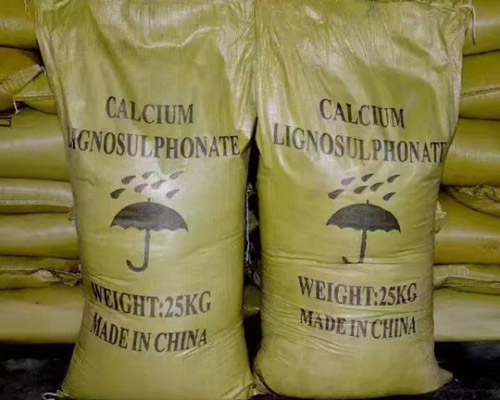
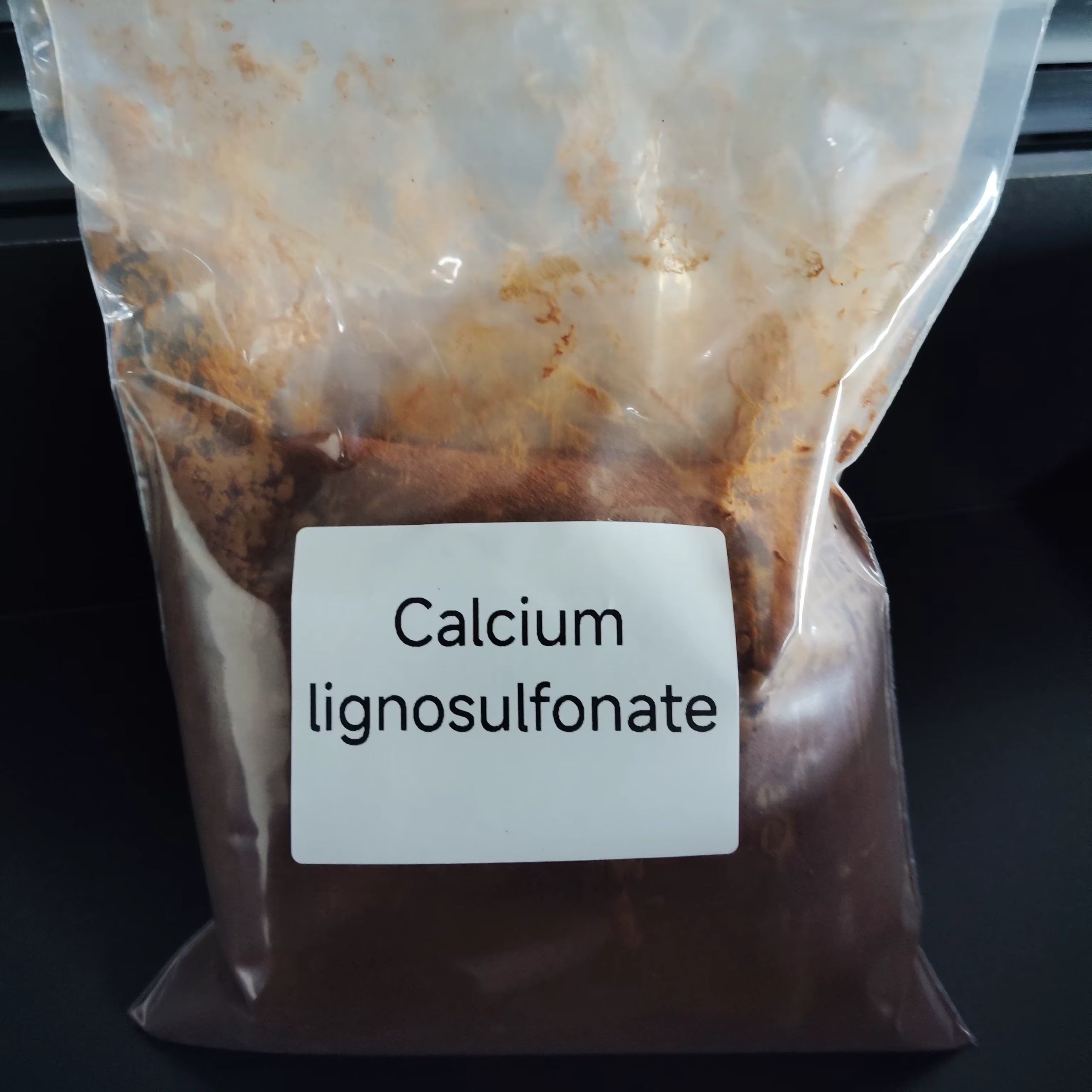
Description
1. Product Overview
Calcium Lignosulfonate is a high-performance, anionic polyelectrolyte and bio-based polymer derived from the sulfite pulping process of wood. It serves primarily as a dispersing agent, binder, and water-reducing admixture in industrial formulations, most notably in concrete additives, dust suppression, and animal feed pellets. Its key value proposition lies in replacing synthetic, non-renewable chemicals with a cost-efficient, renewable alternative that enhances process flow and material cohesion. Strategically, it is critical for enterprises seeking to reduce their carbon footprint while improving operational efficiency in high-volume manufacturing.
2. Key Specifications & Technical Characteristics
-
Chemical composition: Calcium lignosulfonate (sulfonated lignin, calcium salt); typical sulfonation degree 4–7%
-
Purity level: Industrial grade (≥95% lignosulfonate content) / Technical grade available
-
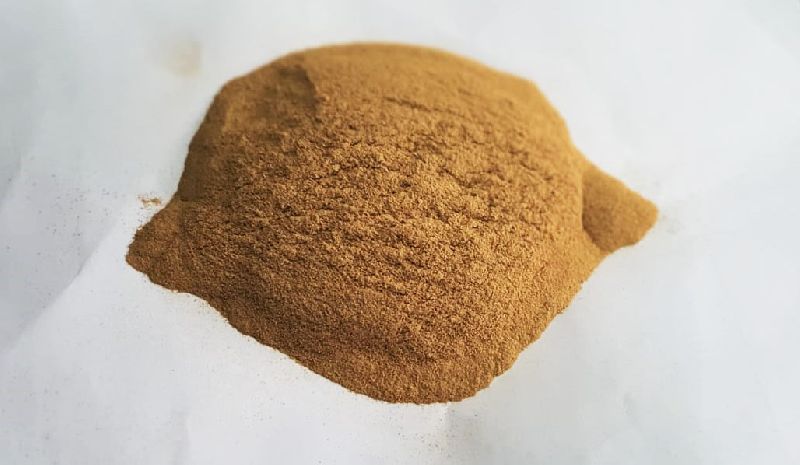
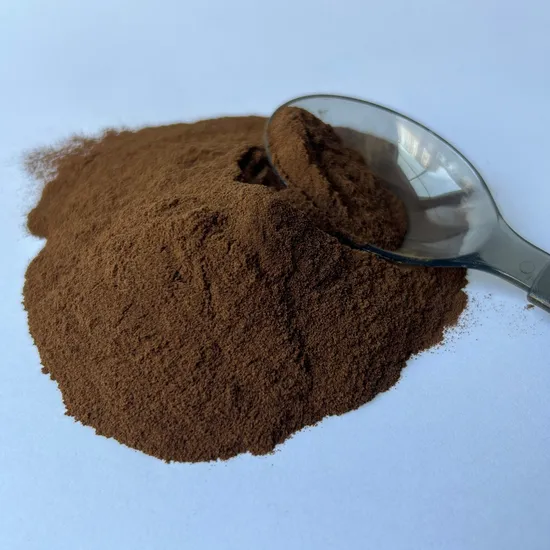
Physical form: Free-flowing powder or spray-dried granules
-
Color: Light brown to dark brown (depends on wood source and processing)
-
Particle size: 100% passing 40 mesh; 95% passing 80 mesh (powder form)
-
Bulk density: 350–450 kg/m³ (powder); 550–650 kg/m³ (granules)
-
pH (10% solution): 4.0–5.5
-
Moisture content: ≤6%
-
Water solubility: ≥98% solubility
-
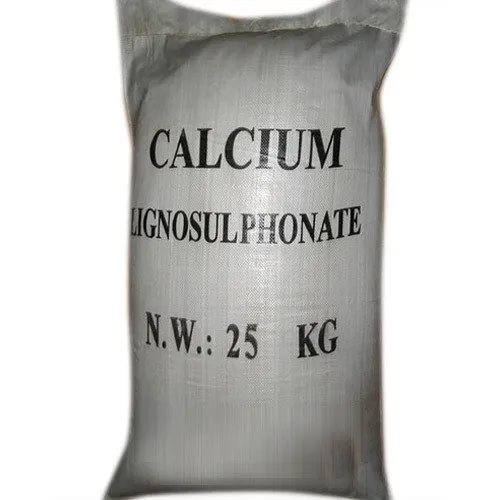
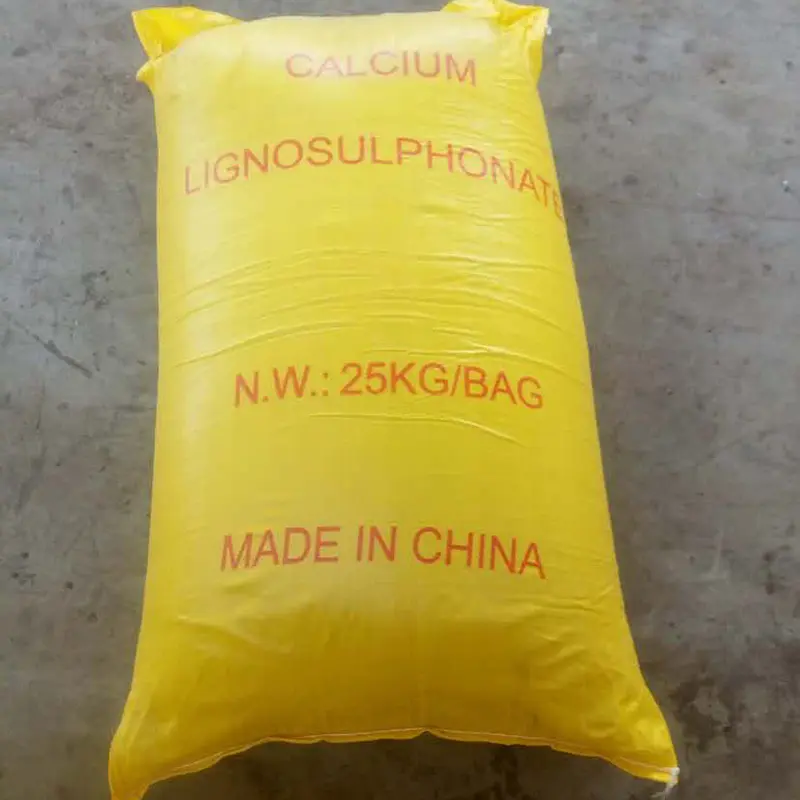
Packaging options: 25 kg multi-ply paper bags, 500–1000 kg FIBC (big bags), or bulk tanker for liquid form (40–50% solids)
-
Shelf life: 24 months in dry, ambient conditions (≤35°C, sealed from moisture)
3. Core Industrial Applications
-
Concrete & construction chemicals: Used as a plasticizer and water-reducer in ready-mix concrete, precast components, and cement grinding aids. Performs better than naphthalene or polycarboxylate ethers in low-to-medium dosage scenarios due to superior cost-to-performance ratio and tolerance to clay impurities.
-
Dust control & road stabilization: Applied as a liquid spray on unpaved roads, mining haul routes, and stockpiles. Outperforms water-only methods by forming a hygroscopic crust that remains active for 2–4 weeks, reducing water usage by 80%.
-
Animal feed binders: Improves pellet durability and reduces fines in livestock, poultry, and aquafeed. Provides better binding at lower inclusion rates (0.5–1.5%) compared to bentonite clays, while adding no artificial hormones.
-
Ceramics & refractories: Acts as a deflocculant and green-strength binder in tile bodies, brick extrusion, and refractory castables. Enables higher solid loading and smoother extrusion than traditional polyphosphates.
-
Pesticides & wettable powders: Functions as a dispersant in water-dispersible granules (WDG) and suspension concentrates (SC), preventing caking and improving suspension stability over storage.
4. Competitive Advantages
-
Quality consistency: ISO 9001-certified production with batch-to-batch variability <2% in key parameters (dry matter, pH, reducing sugars). Each shipment includes Certificate of Analysis (CoA).
-
Supply reliability: Multiple upstream pulp mill partnerships ensure year-round availability, unaffected by petrochemical price volatility. Typical lead time 14–21 days FOB.
-
Logistics capability: Global warehousing in North America, EU, and Southeast Asia; container loading optimized for 20–25 MT per 20’ FCL.
-
Price competitiveness: 30–50% lower cost than synthetic dispersants (e.g., sodium polyacrylate, PCE) on an active-matter basis, with comparable performance in non-critical concrete or binding applications.
-
Environmental benefits: 100% bio-renewable, biodegradable, and non-toxic. Supports LEED credits and corporate ESG targets by replacing fossil-fuel-derived chemicals.
-
Technical support: In-house application lab offering formulation optimization, dosimetry trials, and compatibility testing – free of charge for qualified buyers.
5. Commercial & Supply Information
-
Minimum Order Quantity (MOQ): 20 metric tons (MT) – one full 20’ dry container equivalent (bulk powder or packed bags)
-
Loading capacity per container:
-
20’ FCL: 20–22 MT (palletized, 25 kg bags)
-
20’ FCL: 23–25 MT (FIBC big bags or loose bulk liner)
-
40’ FCL: up to 25 MT (density-limited, not cube-limited)
-



Reviews
There are no reviews yet.