
Description
-
Product Overview
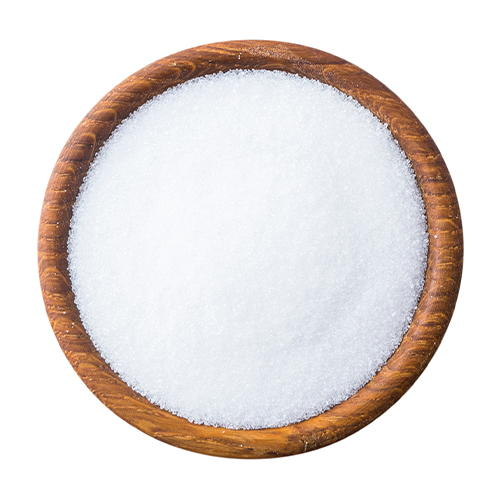
Sodium Citrate (E331) is the trisodium salt of citric acid supplied as a high-purity, free-flowing crystalline powder for industrial use. It serves as a versatile buffering and chelating agent across food processing, pharmaceuticals, water treatment, detergents, and specialized chemical manufacturing. The product delivers precise pH control, reliable metal ion sequestration, and formulation stability—reducing process variability and improving yield consistency. Strategically, Sodium Citrate (E331) is a low-risk ingredient with broad applicability that de-risks supply chains and supports regulatory compliance in global B2B operations. -
Key Specifications & Technical Characteristics
-
Chemical name: Trisodium citrate, dihydrate/anhydrous (specify per batch).
-
CAS number: 68-04-2 (trisodium citrate dihydrate).
-
E number: E331 (approved food additive identifier).
-
Purity/grade: Food-grade / pharmaceutical-grade available; typical assay ≥ 99.0% (depending on grade selected).
-
Impurities: Heavy metals (Pb, Cd, Hg, As) within pharmacopeial/food additive limits; microbiological limits per specification.
-
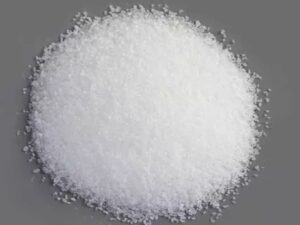
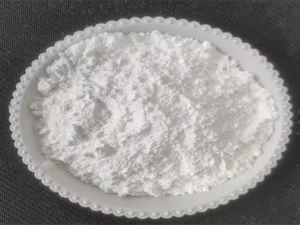
Form: Free-flowing crystalline powder.
-
Color: White to off-white.
-
Particle size: Typical D50 range 50–250 µm (custom milling available on request).
-
Bulk density: Typical 600–800 kg/m³ (packed density varies by packaging).
-
Solubility: Highly soluble in water; solubility increases with temperature.
-
pH (1% aqueous solution): ~7.0–9.0 depending on hydration state and concentration.
-
Moisture content: ≤ 2.5% (anhydrous) or per agreed spec for dihydrate.
-
Packaging options: 25 kg multi-wall kraft bags with inner polyethylene liner; 500 kg / 1,000 kg FIBC (big bags); 20 MT bulk in flexible bladder or bulk tanker (where applicable and compliant).
-
Shelf life: 24 months when stored in original sealed packaging, in a cool, dry environment away from moisture and contaminants.
-
Certificates: COA, MSDS, Certificate of Analysis, and regulatory compliance documentation available on request (e.g., ISO, HACCP, GMP documentation where applicable).
-
Core Industrial Applications
-
Food & Beverage: pH buffering, sequestration of metal ions, stabilization of emulsions and dairy products (e.g., processed cheese, beverages). Sodium Citrate offers predictable buffering capacity and flavor neutrality versus alternative buffers.
-
Pharmaceuticals & Nutraceuticals: Excipient for buffering solutions, anticoagulant formulations, and stabilizer in injectable and oral dosage forms. High-purity grades minimize risk of regulatory issues and batch rejection.
-
Detergents & Cleaners: Water softening and chelation to improve surfactant efficiency and prevent scale; improves cleaning performance at lower alkalinity.
-
Water Treatment & Industrial Processes: Scale inhibition and metal ion control in cooling towers and boiler water; supports longer equipment uptime and reduced maintenance cycles.
-
Chemical Manufacturing: Intermediate in citrate-derived chemistries and catalysts, and as a raw material for biodegradable chelating systems.
Why it outperforms alternatives: superior chelation efficiency per unit weight, predictable buffering characteristics across temperature ranges, low odor/taste profile for sensitive formulations, and availability in higher purity grades that reduce downstream process contamination and waste.
-
Competitive Advantages
-
Quality consistency: Batch-to-batch COA verification and tight specification control reduce QC workload and rejection risk.
-
Supply reliability: Established production and logistics networks ensure consistent availability for continuous industrial operations and just-in-time requirements.
-
Logistics capability: Multiple packaging formats and containerized bulk options support sea, road, and rail distribution with optimized loading (see Commercial & Supply).
-
Price competitiveness: Economies of scale available for bulk procurement (20 MT+ orders) and multilayer pricing tiers for recurring contracts.
-
Sustainability: Readily biodegradable, with lower environmental persistence compared with many synthetic chelants; sourcing and production can be aligned with supplier sustainability standards on request.
-
Technical support: Full technical dossiers, COAs, MSDS, formulation support, and troubleshooting available to support integration into customer processes and regulatory submissions.
-
Commercial & Supply Information
-
Minimum Order Quantity (MOQ): BULK 20 MT.
-
Loading capacity (MT per container): 20-foot container: up to 20 MT (in 25 kg bags or FIBC optimized packing), 40-foot HC container: up to 24–25 MT depending on packing configuration and destination weight limits.
-
Lead times, pricing tiers, and long-term contract options available upon request; shipping terms (FOB, CIF, EXW) negotiable per contract and destination port.

Reviews
There are no reviews yet.