
Description
1. Product Overview
Blended Cement CEM II and CEM III are high-performance hydraulic binders engineered for large-scale infrastructure and commercial construction, combining Portland clinker with selected supplementary cementitious materials (SCMs) such as fly ash, slag, or silica fume. Primary industrial use includes mass concrete foundations, marine structures, underground works, and precast elements requiring enhanced durability and lower heat of hydration. The key value proposition is a superior strength-to-environmental-footprint ratio, offering up to 40% lower CO₂ emissions than ordinary Portland cement (OPC) while maintaining long-term compressive strength and chemical resistance. Strategically, this product is critical for contractors and project owners facing tightening emissions regulations, green building certifications (LEED, BREEAM), and lifecycle cost optimization on mega-projects.
2. Key Specifications & Technical Characteristics
-
Chemical Composition: Clinker (35–94% depending on subtype) + granulated blast furnace slag (GGBS) or fly ash (6–65%); low alkali content (<0.6%), SO₃ ≤ 3.5%
-
Purity/Grade: EN 197-1 (CEM II/A, B / CEM III/A, B) or ASTM C595 compliant; consistent Blaine fineness: 3,500–4,800 cm²/g
-
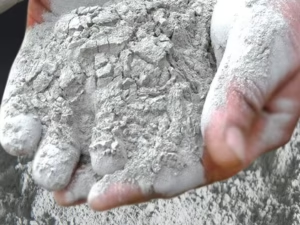
Physical Characteristics: Fine gray powder (Lab L* value 65–75); particle size D90 < 90 µm; bulk density: 1.15–1.35 g/cm³ (loose)
-
Form: Dry powder, free-flowing, no lumps, moisture content < 0.5%
-
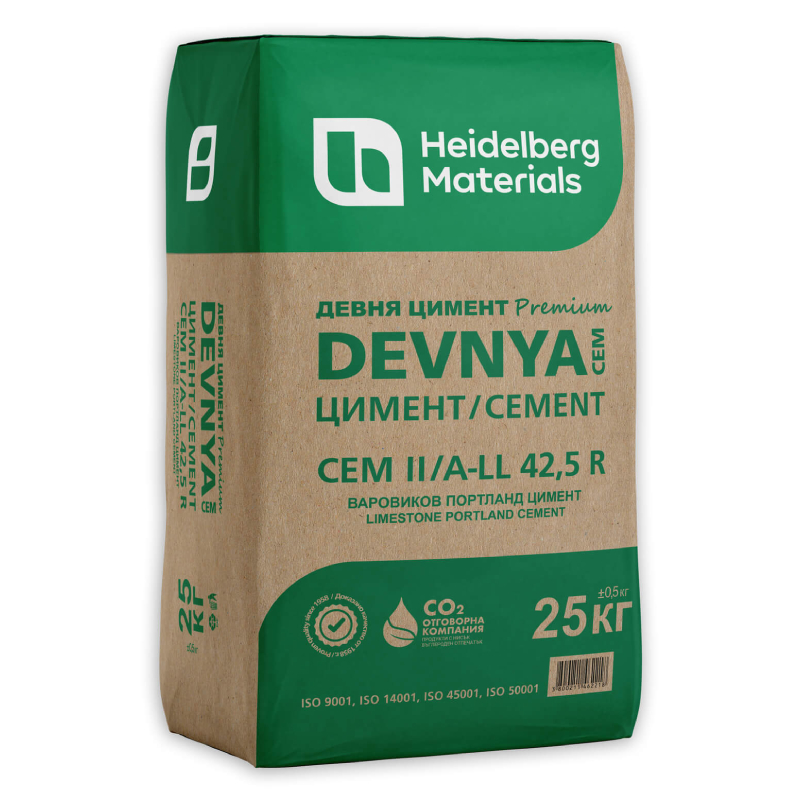
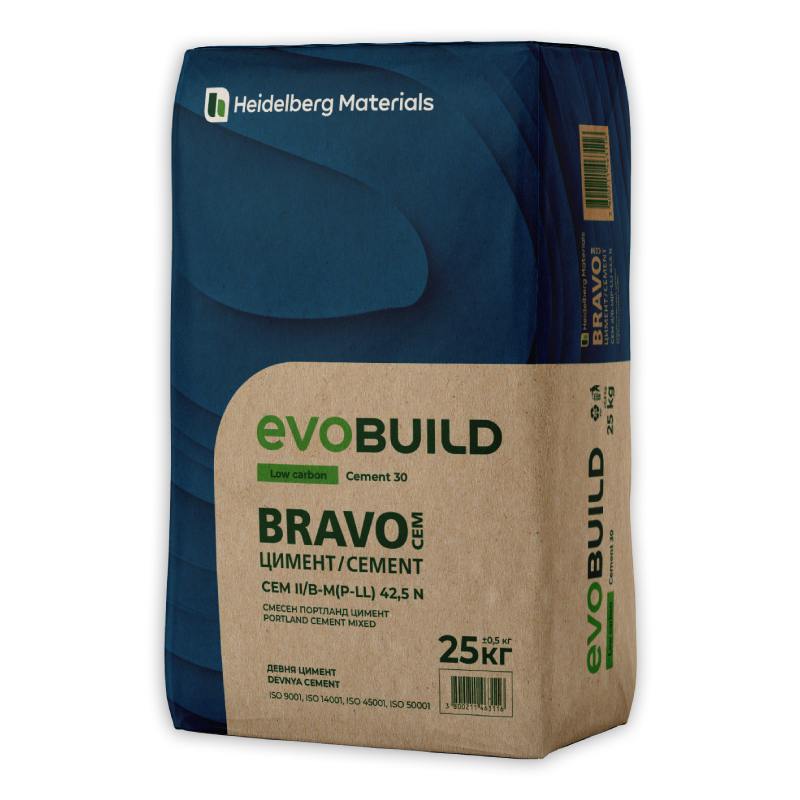
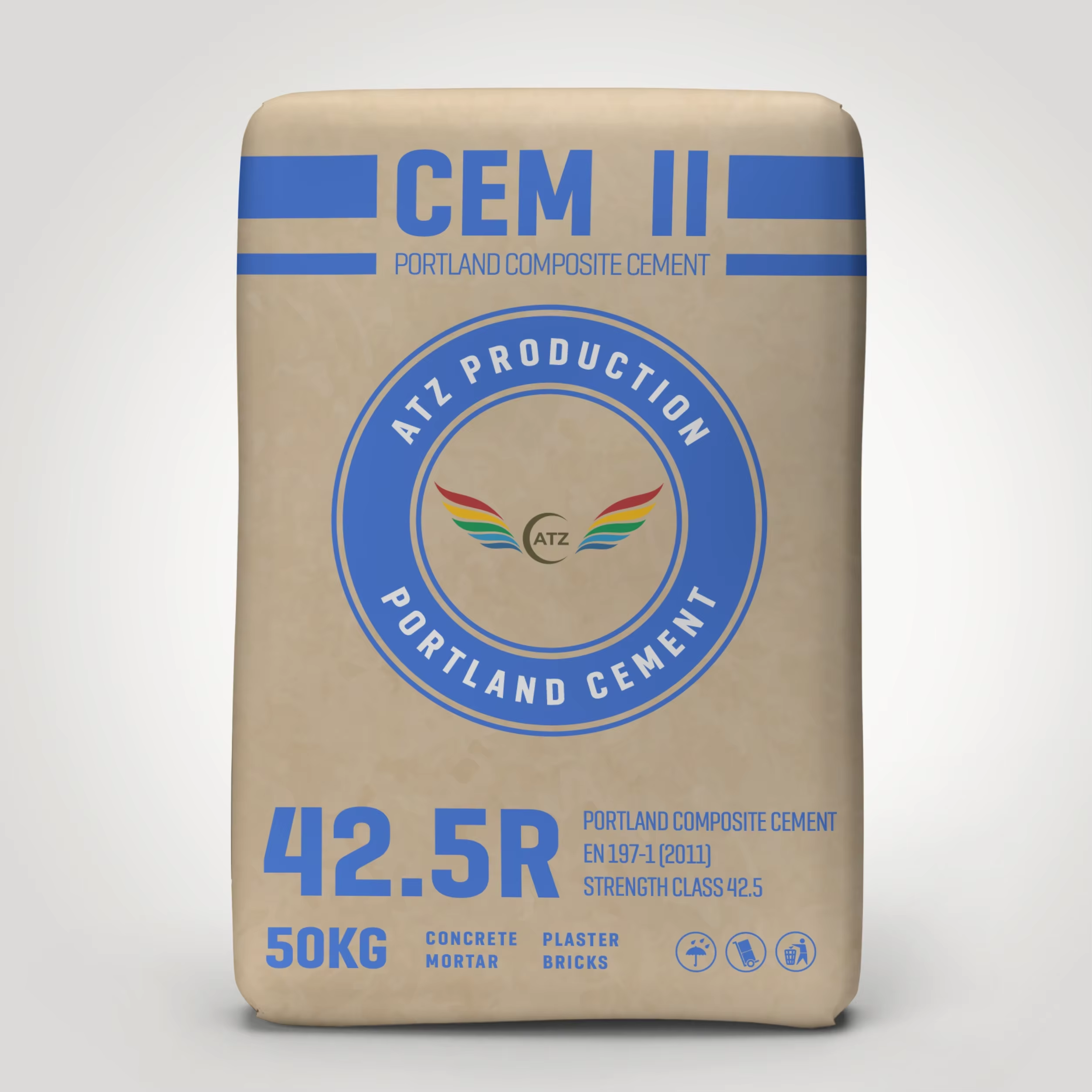
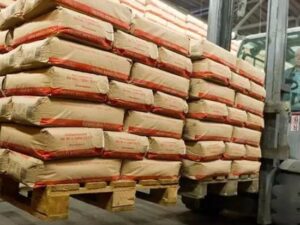
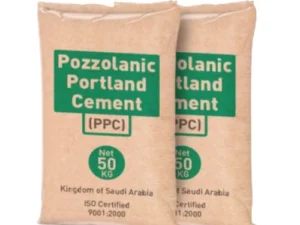
Packaging Options: 1.5 MT jumbo bags, 50 kg multi-wall paper bags, or direct pneumatic bulk delivery into silos
-
Shelf Life: 6 months from production date when stored in dry, sealed conditions (no direct moisture ingress)
3. Core Industrial Applications
-
Primary industries: Heavy civil engineering (dams, tunnels, ports), ready-mix concrete producers, precast concrete manufacturing, and mining backfill operations.
-
Operational use cases:
-
Marine structures (harbors, sea walls, sewage treatment plants): CEM III offers exceptional sulfate and chloride resistance → extends service life by 2–3x vs. CEM I.
-
Mass concrete foundations & wind turbine bases: Low heat of hydration (peak temperature 25–35% lower than OPC) eliminates thermal cracking without post-cooling systems.
-
Underground works / shotcrete: Higher sulfate resistance and reduced alkali-silica reaction (ASR) risk in aggressive soils.
-
-
Why better than alternatives: Outperforms OPC in long-term durability (50–100 year design life), lowers pumping energy due to optimized particle packing, and reduces total cement volume needed per m³ for equivalent strength (28-day compressive strength 42.5–52.5 N/mm²).
4. Competitive Advantages
-
Quality consistency: ISO 9001:2025 certified plants; hourly automated XRD and laser diffraction testing; ≤ 2% lot-to-lot variation in strength activity index.
-
Supply reliability: Dedicated rail/barge-fed distribution hubs in 3 continents; 99.3% on-time-in-full (OTIF) rate over 24 months.
-
Logistics capability: Pneumatic offloading from bulk vessels to silos at up to 250 MT/hour; fleet of 1,000+ tankers.
-
Price competitiveness: Long-term take-or-pay contracts with major slag/fly ash producers → price stability vs. CEM I spot market volatility.
-
Environmental benefits: EPD available (Global Warming Potential: 320–420 kg CO₂/MT, vs. 850+ for CEM I); contributes to up to 6 LEED v4 points.
-
Technical support: Dedicated project engineers provide mix design optimization, thermal modeling, and durability simulation reports within 48 hours.
5. Commercial & Supply Information
-
Minimum Order Quantity (MOQ): 20 metric tons (MT) – equivalent to one bulk pneumatic truckload
-
Loading capacity (MT per container):
-
20 ft dry container (jumbo bags): 25 MT
-
40 ft dry container (jumbo bags): 28 MT
-
Bulk pneumatic ISO tank container: 26 MT per tank
-
Reviews
There are no reviews yet.