
Description
1. Product Overview
These biodegradable polymer crosslinkers are high-purity, reactive oligomers designed to enhance the mechanical integrity and degradation profile of aliphatic polyesters, polyurethanes, and hydrogels. Their primary industrial use is in the production of resorbable medical devices, controlled-release agricultural formulations, and compostable industrial packaging. The key value proposition is enabling manufacturers to achieve tunable crosslinking density without persistent microplastics or toxic residues. Strategically, this product addresses tightening global regulations on plastic waste and the shift toward circular material economies, making it essential for future-proofing polymer supply chains.
2. Key Specifications & Technical Characteristics
-
Chemical composition: Citrate- or succinate-based multifunctional oligoesters with terminal acrylate or epoxide groups
-
Purity level: ≥98.5% (HPLC, residual catalyst <100 ppm)
-
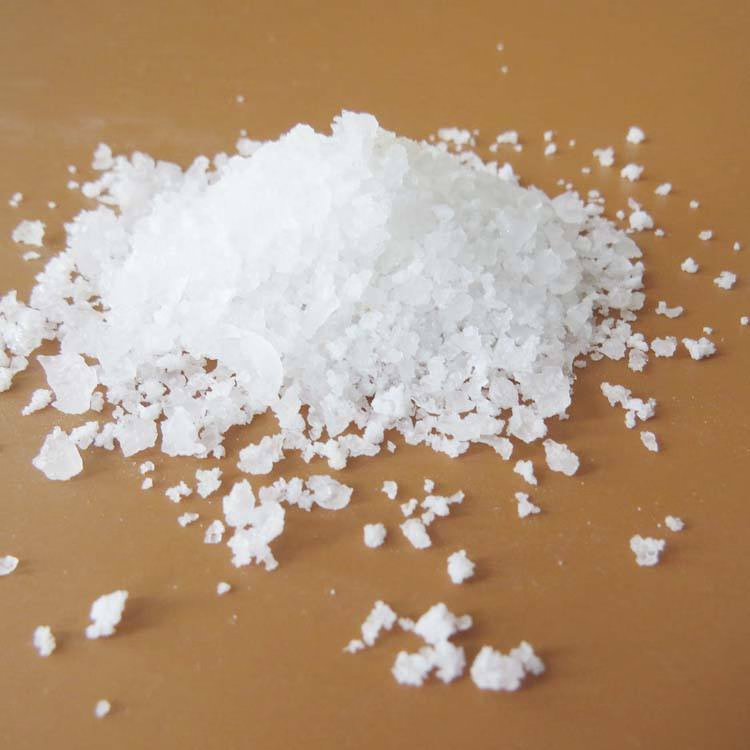
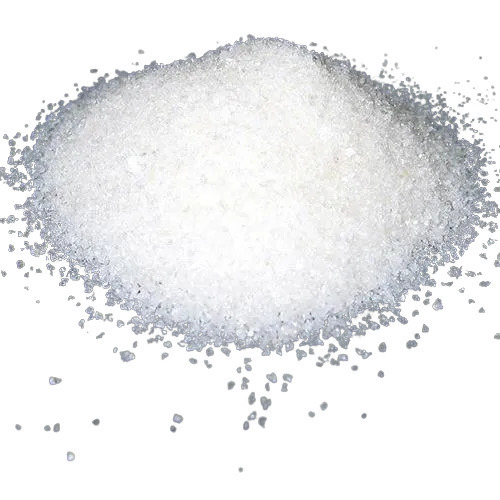
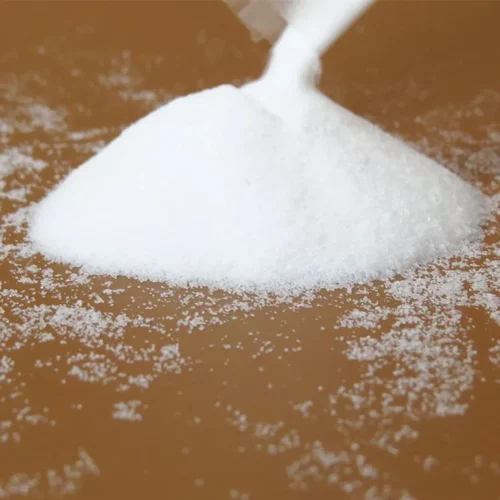
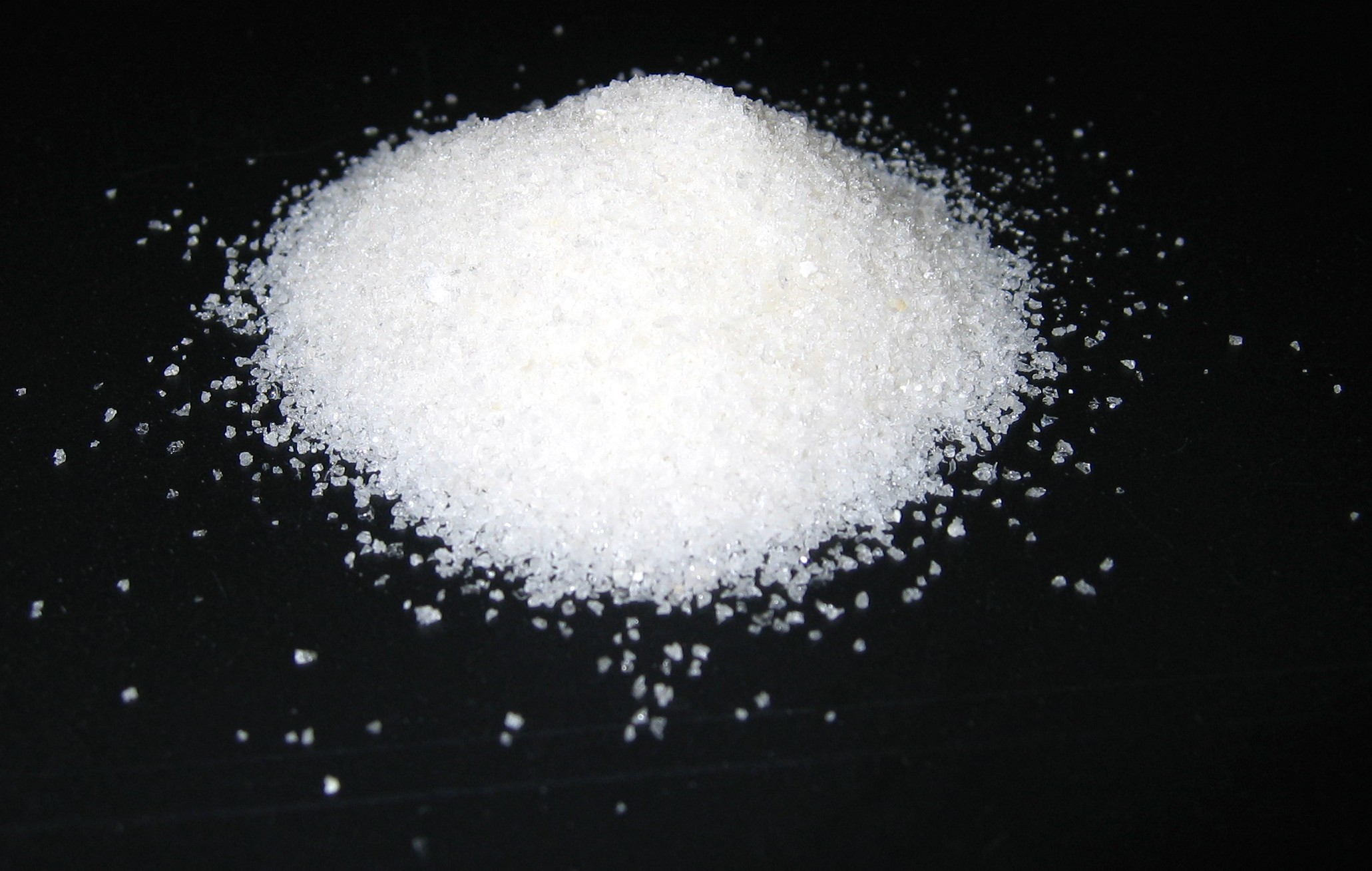
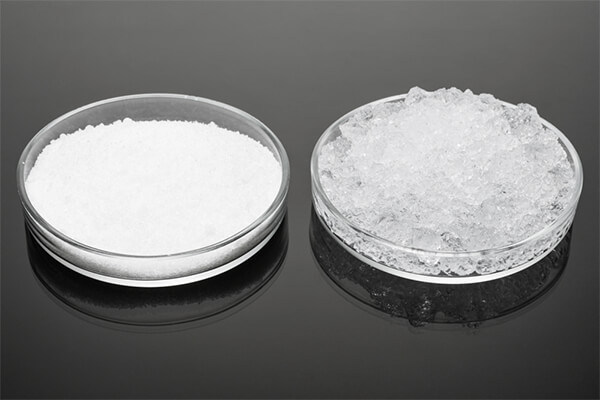
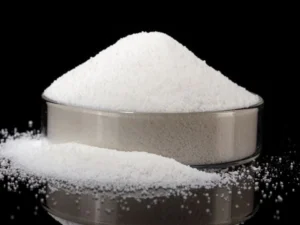
Physical form: Off-white to light yellow powder or low-viscosity pellets
-
Particle size: D50 = 150–300 µm (powder) or 3 mm extruded pellets
-
Density: 1.18–1.25 g/cm³
-
Packaging options: 25 kg moisture-barrier lined bags, 500 kg FIBCs, or 1,000 kg palletized shrink-wrapped units
-
Shelf life: 24 months in sealed original packaging at ≤25°C and <50% RH
3. Core Industrial Applications
-
Medical devices: Used in resorbable sutures, orthopedic fixation screws, and tissue engineering scaffolds – outperforms conventional diisocyanate crosslinkers by eliminating cytotoxic aromatic amine byproducts.
-
Agricultural controlled release: Crosslinked PLA/PBAT matrices for fertilizer or pesticide coatings – achieves 30% longer release windows than non-crosslinked alternatives with identical film thickness.
-
Industrial compostable packaging: Heat-sealable films for e-commerce mailers and food-contact trays – maintains puncture resistance at 40°C/90% RH while fully degrading in industrial composting within 180 days (ASTM D6400).
-
3D printing filaments: Enables warp-free printing of complex lattice structures due to reduced melt flow index variability (MFI ≤ 5% batch-to-batch).
4. Competitive Advantages
-
Quality consistency: ISO 9001:2025 certified production with SPC monitoring – every batch includes GPC molecular weight distribution and residual monomer report.
-
Supply reliability: Dual-source manufacturing (North America and EU) with 12-month rolling forecast buffer stock – 98.5% on-time in-full delivery over last 6 quarters.
-
Logistics capability: Ambient temperature global shipping (no hazmat classification) with real-time track & trace via blockchain-enabled platform.
-
Price competitiveness: 12–18% lower total cost-in-use than lysine-diisocyanate or polyglycerol-sebacate crosslinkers, due to one-step reactive extrusion compatibility.
-
Sustainability: 100% bio-based carbon content (ASTM D6866), no microplastic formation, and production facility powered by 65% renewable energy.
-
Technical support: Dedicated applications engineers for formulation optimization, including access to degradation kinetics models and regulatory compliance dossiers (FDA master file available).
5. Commercial & Supply Information
-
Minimum order quantity (MOQ): 1 metric ton (MT) for first trial order; 10 MT for contract pricing
-
Bulk loading capacity: 20 MT per 20-ft container (FIBC-packed, net weight)
-
Loading per standard 40-ft HC container: 26 MT (max palletized configuration)

Reviews
There are no reviews yet.