
Description
1. Product Overview
The Battery Separator Film (PE/PP Microporous) is a precision-engineered polymeric membrane comprising high-molecular-weight polyethylene (PE) and polypropylene (PP) in monolayer or tri-layer (PP/PE/PP) configurations. It serves as the critical safety and ionic regulation component within lithium-ion batteries for electric vehicles (EVs), energy storage systems (ESS), and consumer electronics. Its key value proposition lies in enabling high ionic conductivity while providing an indispensable thermal shutdown function to prevent thermal runaway. Strategically, this product is the bottleneck enabler of battery energy density and safety—making it non-negotiable for Tier-1 cell manufacturers aiming to meet global EV and renewable energy mandates.
2. Key Specifications & Technical Characteristics
-
Chemical Composition: High-purity, ultra-high molecular weight polyethylene (UHMWPE) and isotactic polypropylene (iPP); no plasticizers or extractable contaminants.
-
Purity Grade: ≥99.9% active polymer; extractables <0.5% by weight.
-
Physical Characteristics:
-
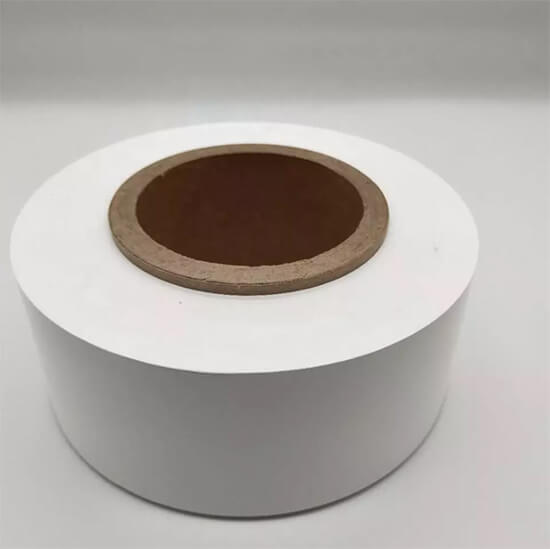
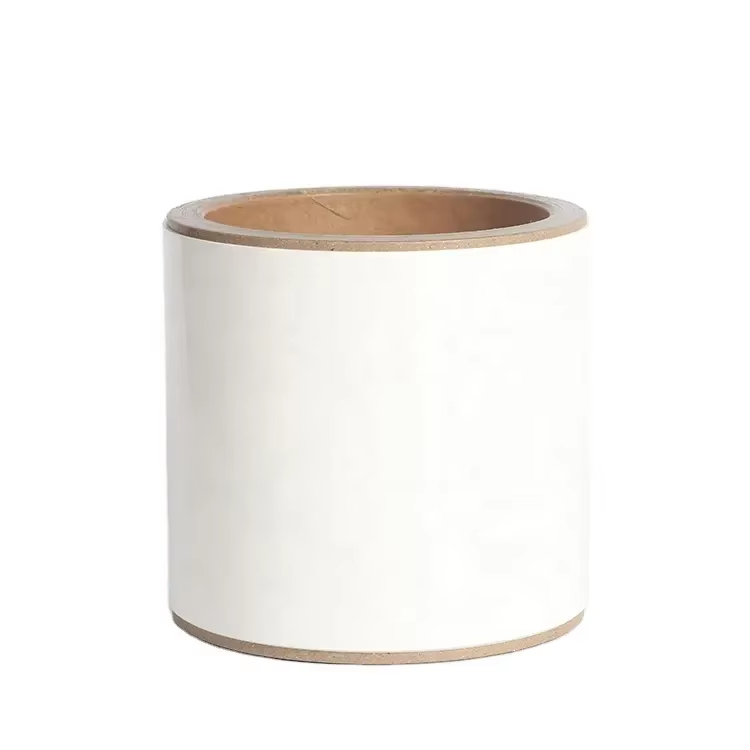
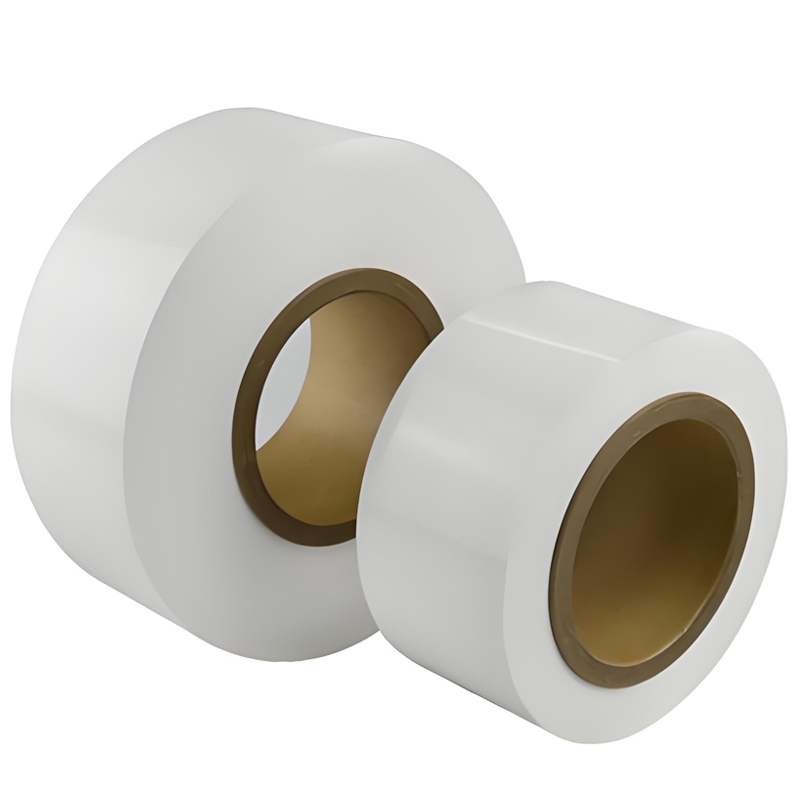
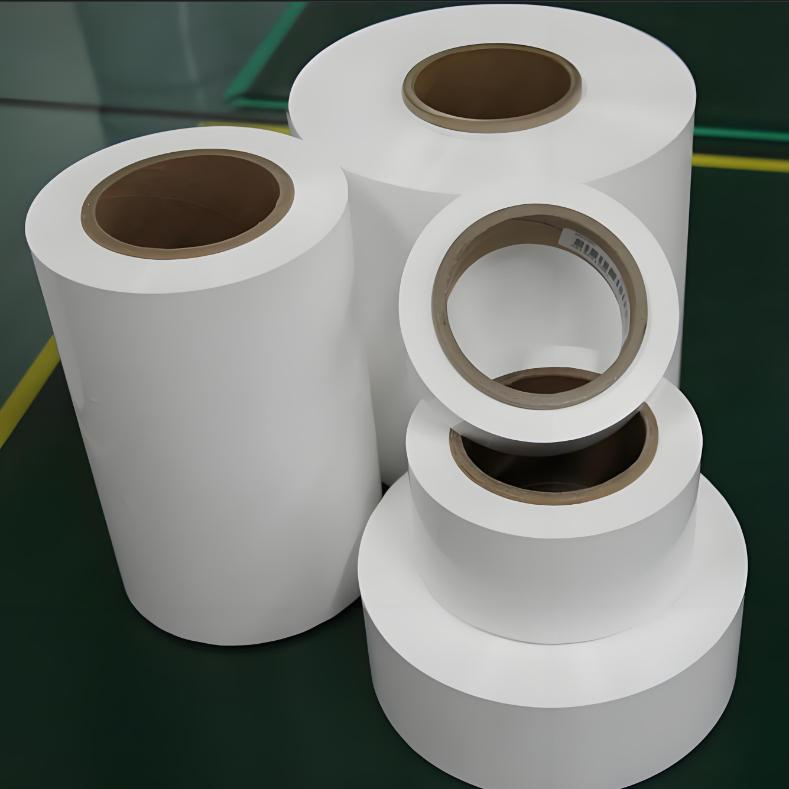
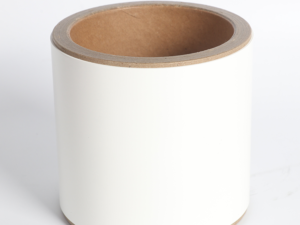
Form: Microporous roll film
-
Thickness: 5µm – 25µm (standard); 3µm–5µm for high-energy-density grades
-
Porosity: 38% – 55% (tunable)
-
Average pore size: 0.03µm – 0.10µm (Gurley range: 150–400 sec/100cc)
-
Shutdown temperature: 130°C ± 3°C (PE layer)
-
Melt integrity temperature: >160°C (PP layer)
-
-
Packaging Options: Vacuum-sealed, moisture-barrier rolls on industrial cores (3-inch or 6-inch ID); anti-static ESD shielding; desiccant-included.
-
Shelf Life: 24 months from date of manufacture when stored at 23°C ± 2°C, <50% RH, away from UV/ozone.
3. Core Industrial Applications
-
Primary Industries: Electric vehicle (EV) battery manufacturing, grid-scale energy storage systems (ESS), high-discharge power tools, aerospace & defense battery packs.
-
Specific Operational Use Cases:
-
EV pouch and prismatic cells (NMC, LFP, LMFP chemistries)
-
High-C-rate battery packs requiring thermal runaway prevention
-
Thin-film batteries for portable medical devices
-
-
Performance Advantages vs. Alternatives:
-
Vs. ceramic-coated separators: Lower impedance and cost; no coating delamination risk.
-
Vs. non-woven separators: Uniform pore structure guarantees consistent ionic flux → longer cycle life (2,000+ cycles).
-
Vs. single-layer PP: Bi-layer PE/PP shutdown provides redundant thermal safety margin of +30°C.
-
-
Efficiency/Cost Advantage: Enables winding speeds of 80+ m/min on automated stacking lines; 15% lower scrap rate vs. commodity separators due to MD/TD tension uniformity.
4. Competitive Advantages
-
Quality Consistency: Real-time thickness profiling (accuracy ±0.5µm) per ASTM D374; 100% pinhole inspection via high-voltage spark testing; lot-to-lot porosity variation <2%.
-
Supply Reliability: Dedicated Class 7 (ISO 14644-1) cleanroom manufacturing; buffer stock held in three continental hubs (Asia, Europe, North America).
-
Logistics Capability: Temperature-controlled containers for sea freight (15–35°C); door-to-door tracking with proactive deviation alerts.
-
Price Competitiveness: Vertically integrated resin supply (direct from petrochemical partners) → 8–12% below market average for equivalent grades at 20+ MT volumes.
-
Sustainability: 100% solvent-free dry-process manufacturing; recyclable polyolefin waste stream; complies with EU Battery Regulation 2023/1542.
-
Technical Support: Full Material Disclosure Document (MDD), IATF 16949 lot certification, and onsite application engineering for line integration.
5. Commercial & Supply Information
-
Minimum Order Quantity (MOQ): BULK 20MT (metric tons) per SKU, mixable across thicknesses (5µm, 9µm, 12µm, 16µm, 20µm, 25µm) subject to same polymer grade.
-
Loading Capacity: 18 MT per standard 20-ft dry container (slit to customer width; max roll width 1,100mm).
*For 40-ft HC container: 20 MT (max payload).*
Reviews
There are no reviews yet.