
Description
1. Product Overview
Fluoroethylene Carbonate (FEC) is a high-purity electrolyte additive engineered specifically for next-generation lithium-ion battery systems. Its primary industrial application is the formation of a stable, robust solid-electrolyte interphase (SEI) layer on anode surfaces, dramatically enhancing cycle life and coulombic efficiency. The key value proposition lies in enabling high-voltage, high-energy-density cells—particularly with silicon-anode chemistries—by suppressing electrolyte decomposition and mitigating volume expansion effects. As global demand for EVs, grid storage, and advanced consumer electronics accelerates, FEC has become a strategically irreplaceable component in achieving superior safety, longevity, and performance density in lithium batteries.
2. Key Specifications & Technical Characteristics
-
Chemical Composition: Fluoroethylene Carbonate (C₃H₃FO₃)
-
Purity Level: ≥ 99.95% (GC analysis) / Water content ≤ 20 ppm / Free acid (as HF) ≤ 20 ppm
-
Physical Characteristics:
-
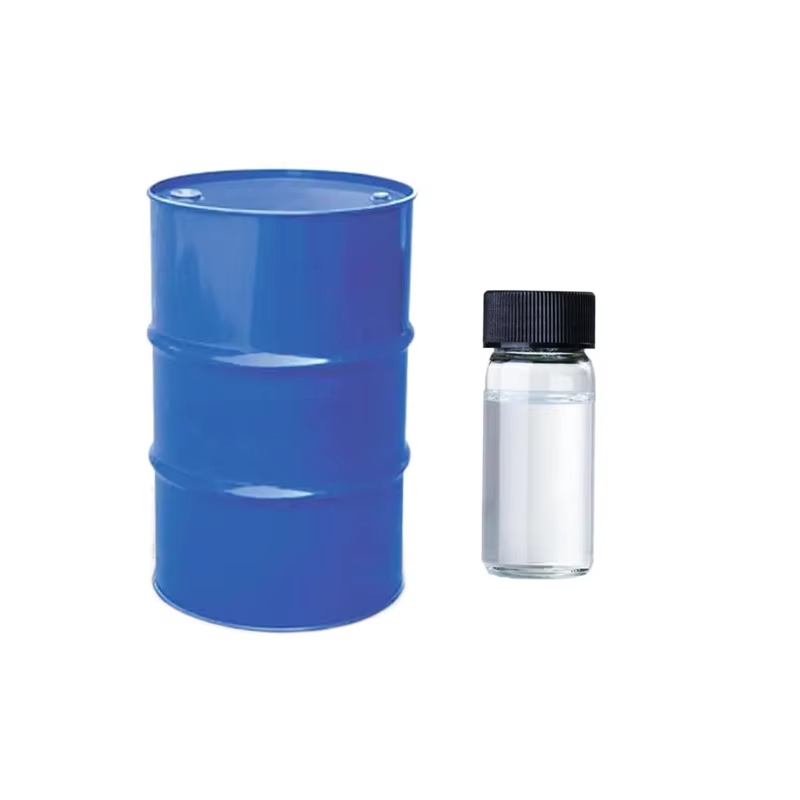
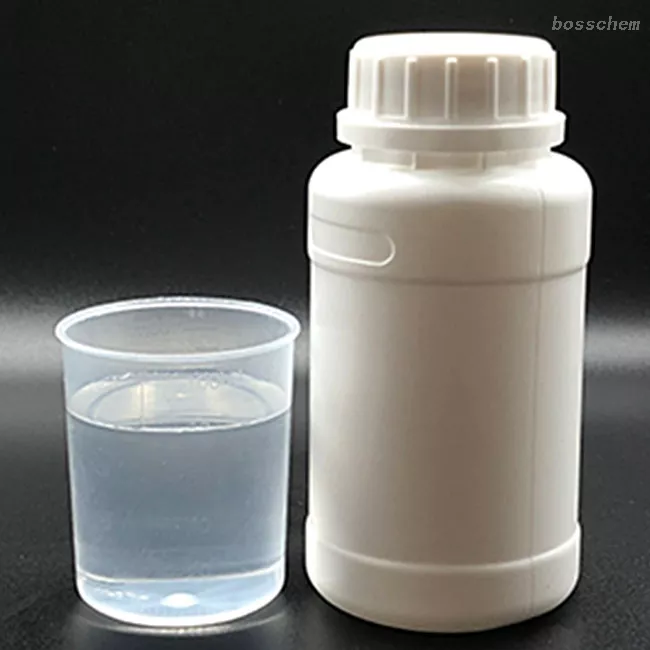
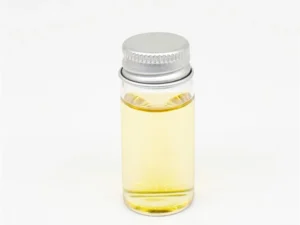
Appearance: Colorless to pale yellow transparent liquid
-
Melting point: 18–22 °C
-
Density (25°C): 1.45 ± 0.02 g/cm³
-
Viscosity (25°C): ≤ 4.5 mPa·s
-
-
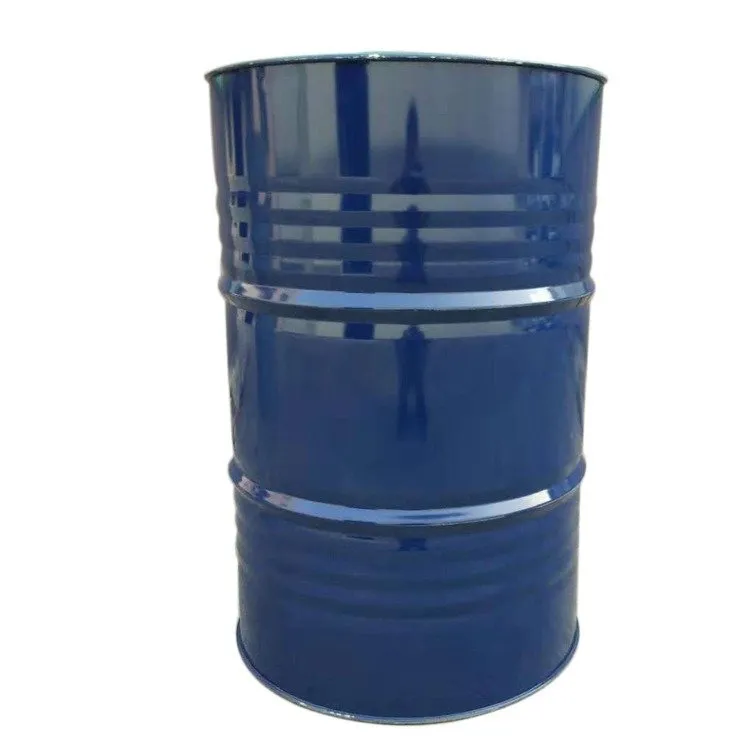
Packaging Options: HDPE drums (25 kg, 200 kg), stainless steel IBC totes (1,000 kg), or ISO tank containers (up to 20 MT)
-
Shelf Life: 12 months under dry, inert atmosphere (N₂) in original sealed packaging; ≤ 30% relative humidity recommended
3. Core Industrial Applications
-
Primary industries: Electric vehicle (EV) battery manufacturing, consumer electronics lithium-polymer cells, stationary energy storage systems (ESS), and high-voltage NMC/LCO/LFP cells.
-
Specific use cases:
-
Silicon-alloy anodes: FEC preferentially decomposes to form a flexible, fluorine-rich SEI layer that accommodates Si volume expansion (>300%).
-
High-voltage (≥4.4V) cathodes: Suppresses oxidative decomposition of standard carbonate solvents.
-
Low-temperature operation: Reduces interfacial resistance compared to VC (vinylene carbonate) alone.
-
-
Performance advantage over alternatives: Outperforms pure VC and PS (propane sultone) in cycle life retention (≥85% after 1,000 cycles in Si-anode cells) and reduces gassing by >40% under high-temperature aging (60°C). Cost-efficient relative to exotic fluorinated additives with similar SEI-forming capability.
4. Competitive Advantages
-
Quality consistency: Batch-to-batch variance < 0.02% via real-time NIR spectroscopy and SPC (Statistical Process Control) compliant with ISO 9001:2023.
-
Supply reliability: Dual-sourced raw materials + three redundant production lines ensuring ≥99% on-time delivery even during demand spikes.
-
Logistics capability: Global hazardous cargo (UN Class 9, PG II) shipping network with warehouse hubs in Asia, Europe, and North America for 72-hour regional dispatch.
-
Price competitiveness: Direct integration from fluorination to distillation eliminates two intermediary margin layers—negotiable annual contracts with volume-based tier pricing.
-
Sustainability & documentation: Full REACH, RoHS, and Conflict Minerals compliance; available with carbon footprint verification (Scope 1+2). Includes MSDS, CoA, TDS, and batch traceability reports digitally accessible via API or portal.
5. Commercial & Supply Information
-
Minimum order quantity (MOQ): 200 kg (one HDPE drum equivalent) for trial / 5 MT for contract pricing
-
BULK 20MT Loading capacity: Standard 20-ft ISO tank container yields exactly 20,000 kg net weight (tare excluded) – optimized for full-container load (FCL) shipment
-
Loading density per 20-ft container (IBC tote alternative): 20 x 1,000 kg IBC totes = 20 MT (with 85% volumetric utilization, no hazmat overfill risk)
Reviews
There are no reviews yet.