
Description
-
Product Overview
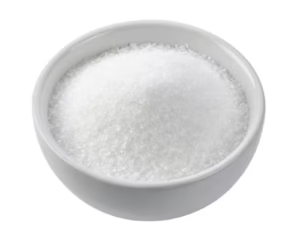
Aspartame (E951) is a high-intensity, low-calorie artificial sweetener supplied in a crystalline powdered form for industrial and food-manufacturing use. Its primary industrial use is as a sugar-replacement and flavor-enhancer in beverages, confectionery, dairy, pharmaceuticals, and tabletop sweetener formulations. The key value proposition is delivering consistent sweetness potency (approximately 200× sucrose by weight) with low inclusion rates, enabling cost-effective calorie reduction and formulation flexibility. Strategically, reliable, high-purity Aspartame is essential for manufacturers meeting consumer demand for reduced-calorie products while preserving taste profiles and regulatory compliance across global markets. -
Key Specifications & Technical Characteristics
-
Chemical name: L‑α‑aspartyl‑L‑phenylalanine methyl ester (Aspartame), E number: E951.
-
Chemical formula: C14H18N2O5.
-
Active sweetness potency: ~200× sucrose by weight (formulation-dependent).
-
Purity / grade: Food‑grade / pharmaceutical‑grade options available; typical assay ≥ 98.5% (HPLC).
-
Related substances: Conforms to regulatory limits for DKP (diketopiperazine) and phenylalanine impurities; meets specified heavy metal and residual solvent limits per customer regulatory requirement.
-
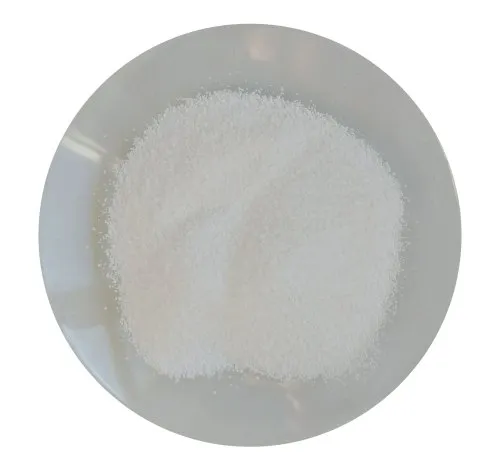
Physical form: Free‑flowing crystalline powder.
-
Color: White to off‑white.
-
Typical particle size: D50 ~ 100–300 µm (custom milling available).
-
Bulk density: ~0.5–0.7 g/mL (packed density varies by particle size and packaging).
-
Solubility: Soluble in water (temperature-dependent), limited solubility in organic solvents.
-
Microbiological: Meets food‑grade microbial specifications (total plate count, absence of coliforms, yeast & mold within specification).
-
Packaging options: 25 kg kraft bags with inner PE liner; 500 kg / 1,000 kg FIBC (big bag); ISO tank or bulk tanker options for liquid slurry derivatives upon agreement.
-
Shelf life: 24 months when stored in original sealed packaging, in a cool, dry environment (≤25°C, RH ≤65%); shelf‑life stability data available on request.
-
Storage conditions: Store in airtight containers away from direct sunlight, high humidity, and strong oxidizers.
-
Regulatory documentation: Certificate of Analysis (CoA), Safety Data Sheet (SDS), allergen declaration, and regulatory compliance statements for EU, US (where applicable), and other target markets available upon request.
-
Core Industrial Applications
-
Beverage production: Used in carbonated and non‑carbonated low‑calorie drinks to achieve sugar-like sweetness with minimal caloric contribution; ideal where high sweetness intensity and taste profile preservation are required.
-
Confectionery and chewing gum: Provides stable sweetness without the bulk of sugar; suitable for hard and soft confectionery when blended with bulking agents to maintain texture.
-
Dairy and frozen desserts: Enables reduced‑calorie yogurts, flavored milks, and ice‑cream products while maintaining perceived sweetness at low inclusion rates.
-
Pharmaceutical and nutraceuticals: Used in oral dosage forms, syrups, chewables, and dissolvable strips for palatability, especially where low caloric load and stability are needed.
-
Tabletop sweeteners and sachets: High potency supports compact dosing and long shelf life in single‑serve formats.
Why it outperforms alternatives: -
Potency: High sweetness per unit weight reduces transportation and storage costs vs. bulk sweeteners.
-
Taste profile: Clean sweet profile with minimal aftertaste when used at recommended concentrations; blends well with other high‑intensity sweeteners for taste optimization.
-
Regulatory maturity: Widely accepted approvals and established usage parameters across major markets reduce compliance friction for manufacturers.
-
Competitive Advantages
-
Quality consistency: Produced under GMP and ISO‑aligned quality systems with batch traceability and full CoA for each shipment.
-
Supply reliability: Secure multi‑sourcing strategy and safety stocks to support continuous supply for large production runs and seasonal demand spikes.
-
Logistics capability: Bulk FIBC and palletized 25 kg options, plus coordinated container loading (see commercial section) to optimize freight and reduce per‑unit logistics costs.
-
Price competitiveness: Competitive FOB and CIF pricing tiers for contract volumes; total cost advantages through lower inclusion rates and reduced transport weight vs. caloric sweeteners.
-
Sustainability: Energy‑efficient manufacturing processes available; options for reduced‑waste packaging and take‑back logistics for industrial customers under commercial agreement.
-
Technical support: Formulation support, stability data, taste‑matching guidance, and regulatory documentation supplied by experienced technical service team to accelerate product development and regulatory filings.
-
Risk mitigation: Allergen and contaminant controls, and customer‑specific testing protocols available to meet private‑label or pharmaceutical standards.
-
Commercial & Supply Information
-
Minimum order quantity (MOQ): BULK 20 MT.
-
Typical packing for MOQ: 20 metric tons loaded in FIBCs or palletized 25 kg bags per customer preference.
-
Loading capacity (MT per container):
-
20 ft container: up to 20 MT (packed as 25 kg bags or consolidated FIBC loads; weight depends on palletization and loading method).
-
40 ft container: up to 24–26 MT (optimized pallet configuration).
-
40 ft high cube: up to 26–28 MT (subject to packaging and weight distribution limits).
-
-
Lead time: Standard lead time 4–8 weeks depending on order size and destination; expedited scheduling available for contract customers.
-
Incoterms: FOB, CIF, DAP options negotiable.
-
Payment and contracting: Flexible contract terms for recurrent buyers, including long‑term supply agreements and price‑indexing options.
-
Samples and qualification: Representative sample packs and full CoA available on request for qualification runs.
Reviews
There are no reviews yet.