
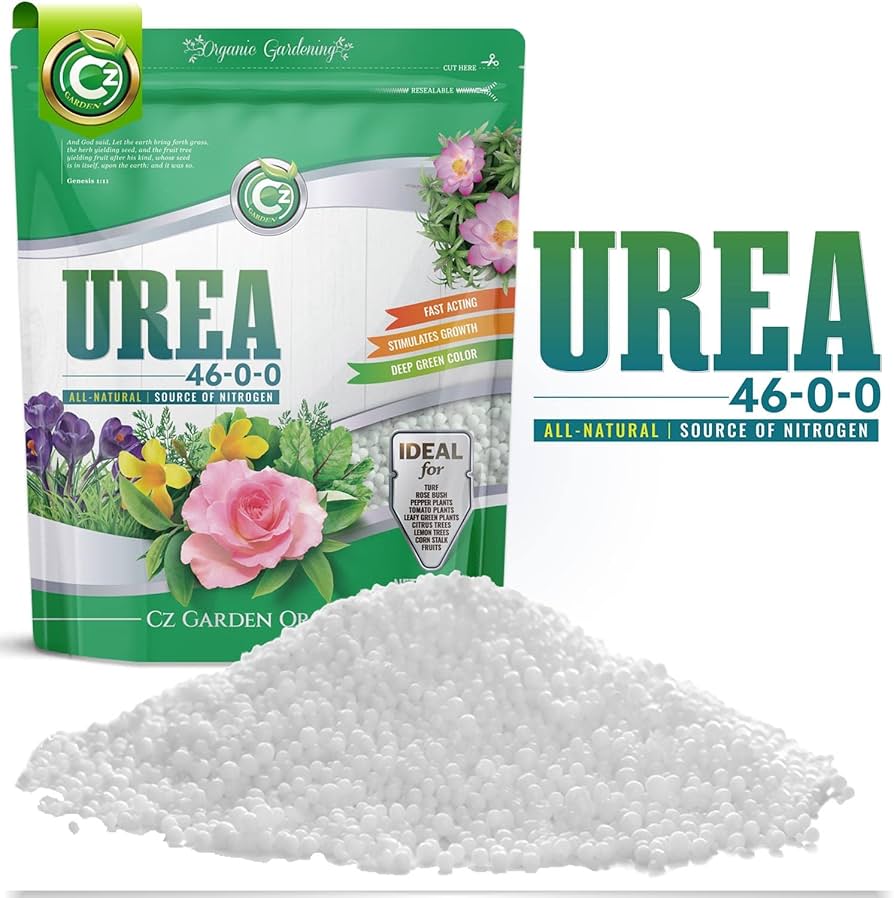
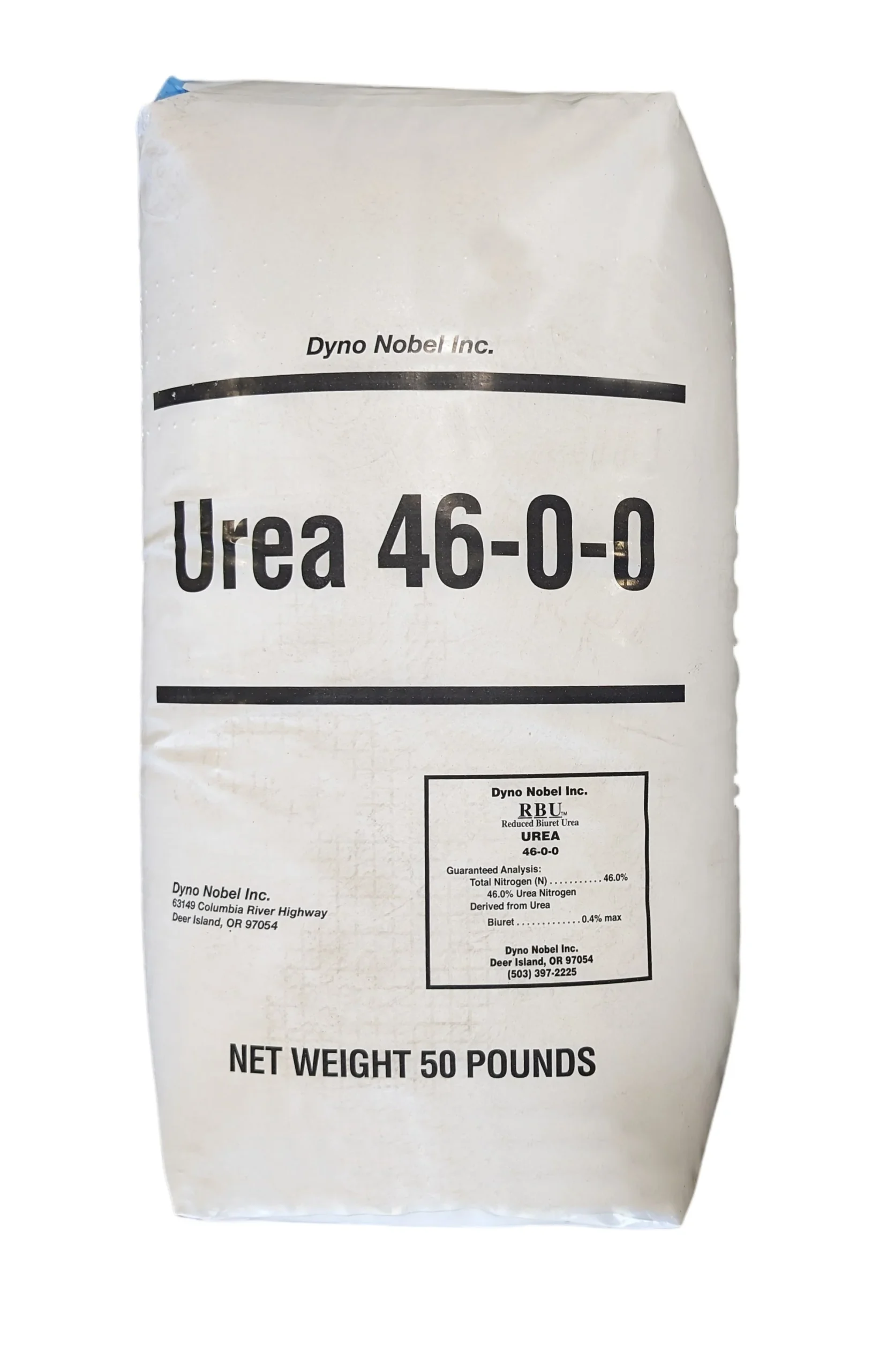
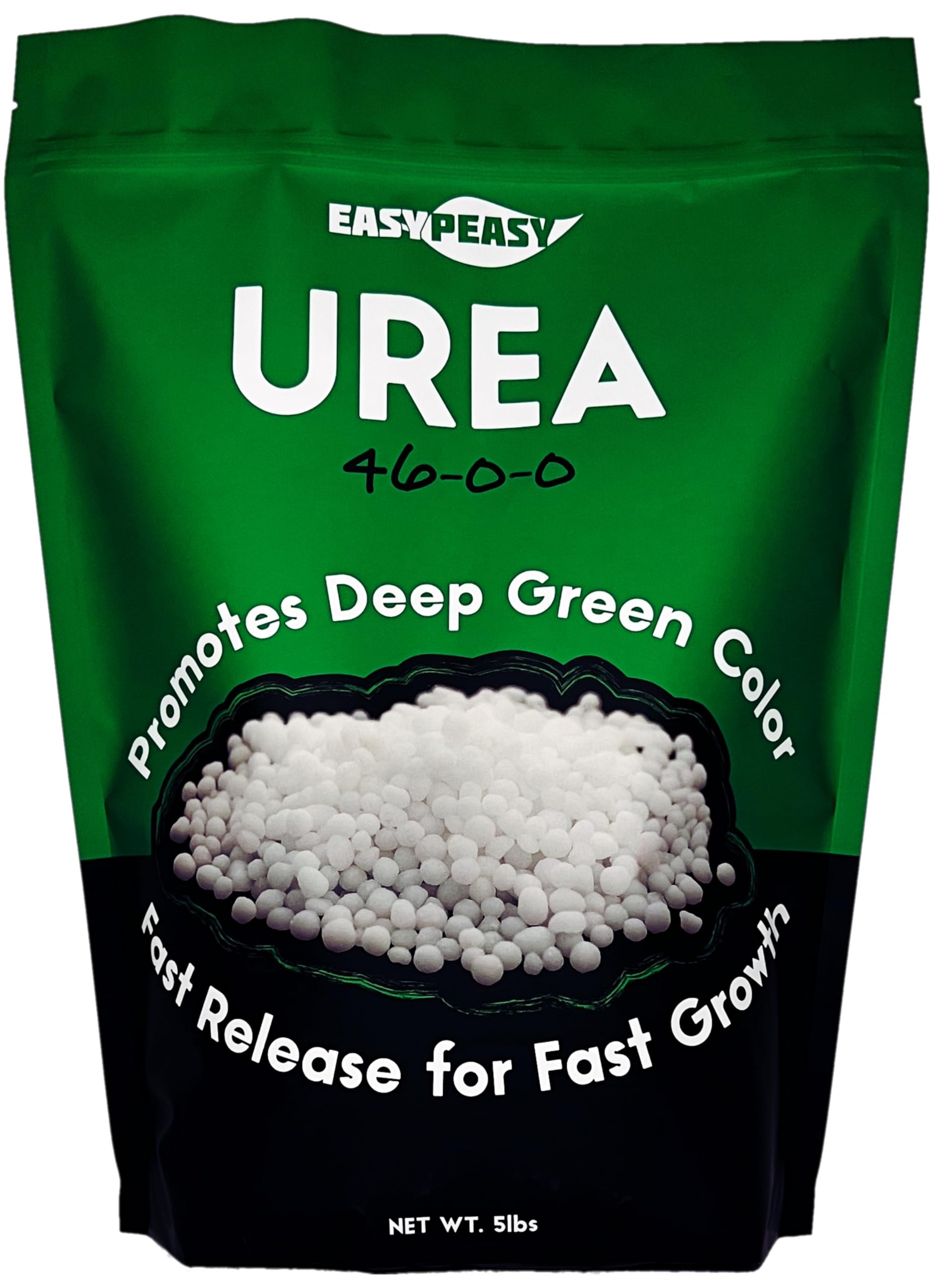
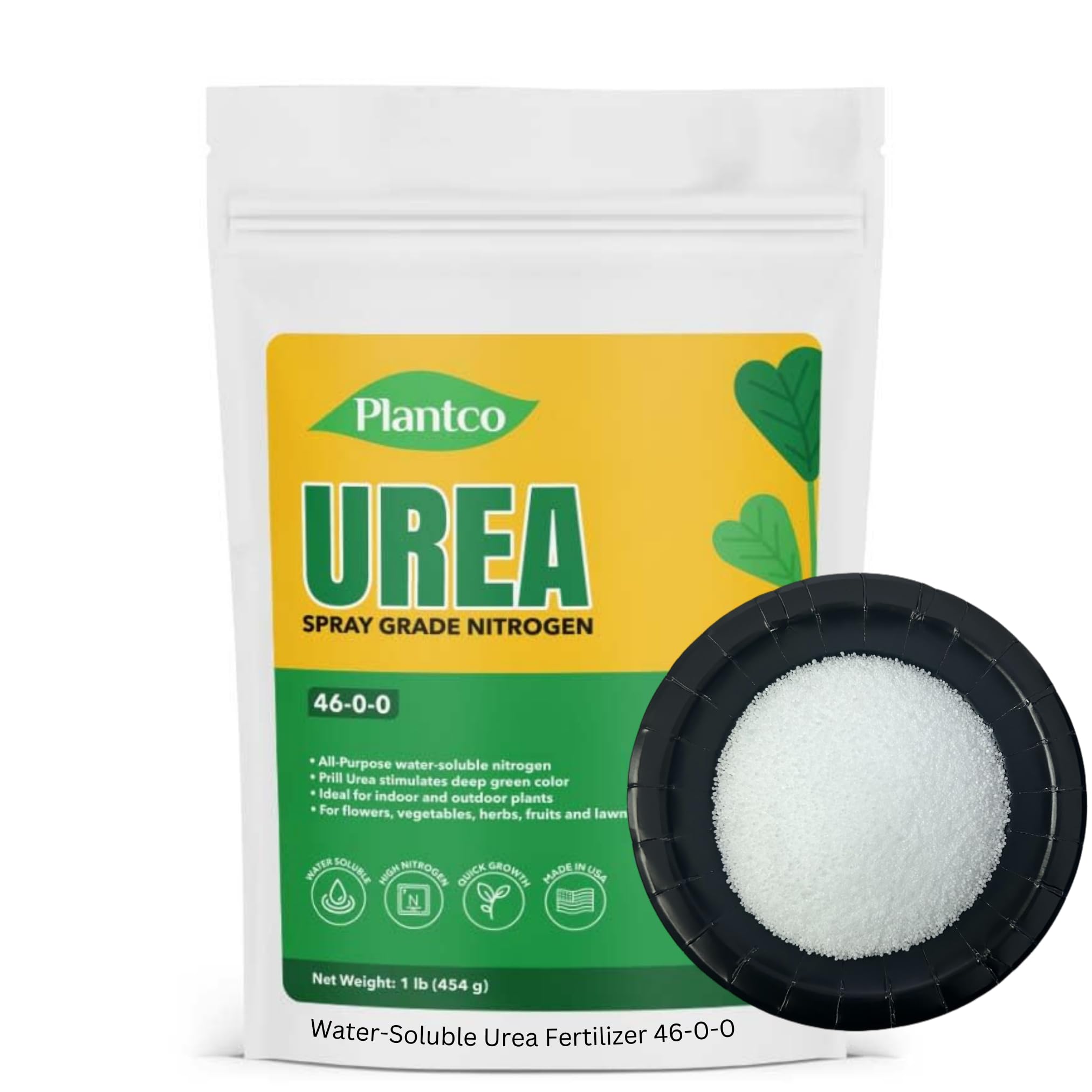
Description
1. Product Overview
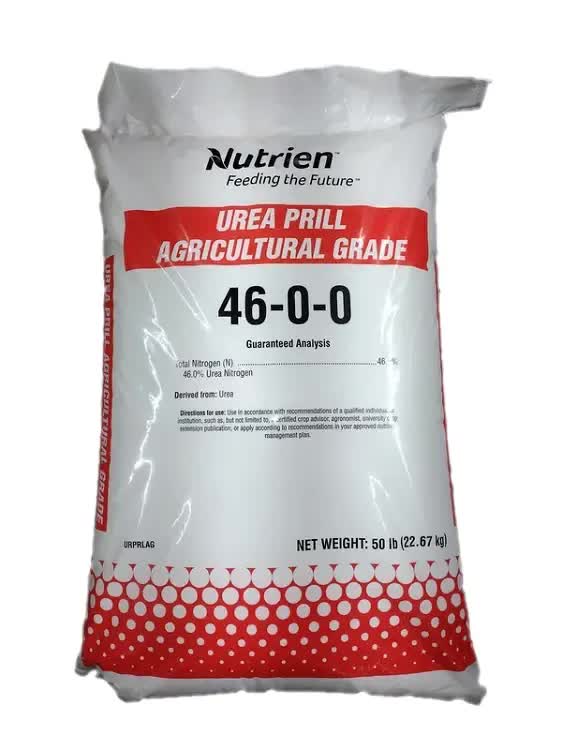
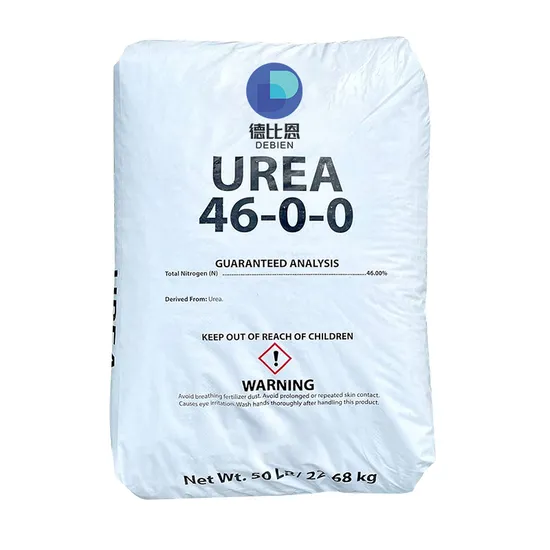
This product is a high-precision, homogeneous blend of granular urea (46-0-0) with compatible secondary nutrients and performance enhancers, engineered for large-scale industrial and agricultural application. Its primary use is as a controlled-release nitrogen source for crop nutrition, industrial chemical synthesis, and emissions reduction in power generation. The key value proposition is a cost-efficient, stable nitrogen delivery system that minimizes volatilization losses while improving handling logistics. Strategically, it is critical for buyers seeking to secure upstream nitrogen supply amid volatile commodity fertilizer markets, offering blend flexibility without sacrificing urea’s baseline purity.
2. Key Specifications & Technical Characteristics
-
Chemical composition: Urea (CO(NH₂)₂) ≥46% nitrogen by weight; blended with inert carriers or polymer-coated release modifiers (proprietary ratios available)
-
Purity level: Industrial grade ≥98.5% urea equivalent; biuret content ≤1.0% (max 1.2%)
-
Physical characteristics:
-
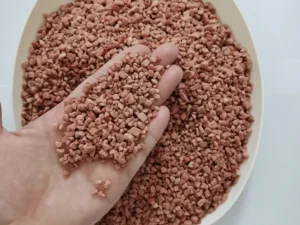
Form: Free-flowing, dust-suppressed granules
-
Color: White to off-white
-
Particle size distribution: 90% between 2.0–4.75 mm (USS mesh)
-
Bulk density: 750–770 kg/m³ (loose)
-
Angle of repose: 28–30°
-
-
Packaging options: 1,000 kg bulk bags, 50 kg multilayer woven sacks, or pneumatic tanker blow-loading
-
Shelf life: 24 months in original sealed packaging (cool, dry, <30°C); avoid moisture >70% RH
3. Core Industrial Applications
-
Agriculture (precision row crops & fertigation): Provides immediate and extended nitrogen availability for corn, wheat, and rice. Outperforms standard urea in split-application systems by reducing ammonia loss by up to 40% via urease inhibitors blended in.
-
Industrial chemical synthesis: Used as feedstock for urea-formaldehyde resins, adhesives, and diesel exhaust fluid (DEF). Performs better than off-spec urea due to consistent biuret control, preventing nozzle fouling in DEF production.
-
Power generation & emissions control: In SNCR (selective non-catalytic reduction) systems for NOx reduction. Advantages include uniform particle size → more predictable thermal decomposition → lower reagent overfeed (cost saving of 8–12% per MW).
-
Animal feed supplement (non-ruminant restricted): Blended with carriers for controlled non-protein nitrogen (NPN) delivery. Efficiency gain: reduces daily labor vs. liquid NPN systems.
4. Competitive Advantages
-
Quality consistency: ISO 22241-1 compliant for DEF-grade; lot-by-lot HPLC testing; biuret variation <0.1% across shipments.
-
Supply reliability: Multiple strategic warehousing hubs (Rotterdam, Singapore, Houston) with 24/7 order fulfillment and force majeure backup sourcing.
-
Logistics capability: Dedicated pneumatic discharge equipment at origin ports; average lead time 10–14 days for bulk shipments to major global hubs.
-
Price competitiveness: Quarterly fixed-price contracts with volume escalation clauses; spot pricing indexed to Argus/Fertilizer Week.
-
Sustainability: Low-carbon urea blending options (renewable ammonia-derived) available; fully biodegradable coating polymers.
-
Technical support: On-site blend optimization audits; COA (Certificate of Analysis) with every shipment; SDS and regulatory compliance documentation in 12 languages.
5. Commercial & Supply Information
-
Minimum order quantity (MOQ): BULK 20 metric tons (20 MT)
-
Loading capacity: 24–26 MT per standard 20-foot dry container (bulk bags); 20 MT loose bulk per 20-foot pneumatic discharge container
Reviews
There are no reviews yet.