


Description
1. Product Overview
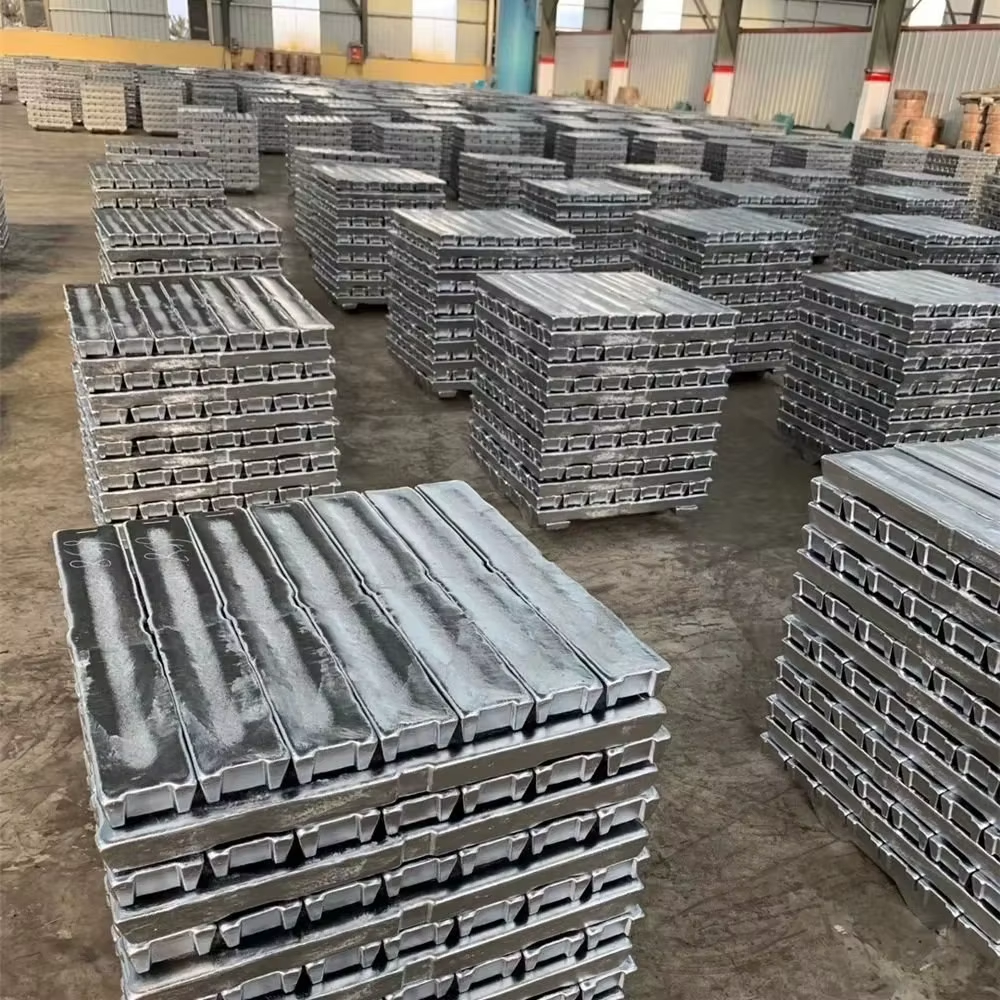
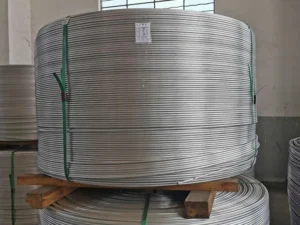
Primary Aluminium Ingots are high-purity, unalloyed aluminium blocks produced through the electrolytic reduction of alumina (Hall-Héroult process). They serve as the fundamental feedstock for downstream extrusion, rolling, and casting industries worldwide. The key value proposition lies in their exceptional purity (minimum 99.7% Al), consistent metallurgical structure, and superior oxidation resistance—making them a strategically indispensable material for lightweighting, energy efficiency, and corrosion-resistant applications across global supply chains.
2. Key Specifications & Technical Characteristics
-
Chemical Composition (typical, grade A7):
-
Aluminium (Al): ≥ 99.70%
-
Iron (Fe): ≤ 0.20%
-
Silicon (Si): ≤ 0.10%
-
Copper (Cu): ≤ 0.01%
-
Other trace elements (each): ≤ 0.03%
-
-
Purity Grade: P1020A (industry standard), 99.7% min; also available in 99.85% (A85) upon request
-
Physical Characteristics:
-
Form: 3‑strand, T‑bar or 15‑20 kg tapered trapezoidal ingots
-
Color: Silver‑white metallic, bright surface
-
Density: 2.70 g/cm³ at 20°C
-
Melting range: 643–660°C
-
-
Packaging Options:
-
Steel strapped bundles (approx. 1,000 – 1,500 kg per bundle)
-
Heat‑shrink wrapped or jumbo bag moisture barrier (export standard)
-
Banded on painted wooden pallets or as loose ingots for container loading
-
-
Shelf Life: Indefinite when stored indoors in dry, non‑corrosive conditions (avoid direct contact with water/acidic vapors)
3. Core Industrial Applications
-
Transportation (automotive, aerospace, rail): Converted into rolled sheets, extrusions, and castings for body panels, chassis, wheels, and structural components. Advantage: 30–50% weight reduction vs. steel, improving fuel economy and EV range without sacrificing strength.
-
Construction & Building: Extruded profiles for window frames, curtain walls, roofing, and scaffolding. Advantage: Natural oxide layer provides corrosion resistance >40 years in urban environments, eliminating painting costs.
-
Electrical & Power Transmission: Drawn into aluminium conductor steel‑reinforced (ACSR) wire and busbars. Advantage: 61% conductivity of copper at 30% weight and lower cost per amp.
-
Packaging (consumer & industrial): Foil stock, can body stock, and closures. Advantage: Infinite recyclability (95% energy saving vs. primary) and complete barrier to light, oxygen, and moisture.
4. Competitive Advantages
-
Quality Consistency: Statistical Process Control (SPC) at each reduction cell; every batch includes certified mill test reports (MTR) per EN 573‑3 or ASTM B209.
-
Supply Reliability: Multi‑source smelter partnerships (hydro, natural gas, and coal‑based) with 50,000 MT monthly production capacity and safety stock held in Rotterdam, Singapore, and Houston.
-
Logistics Capability: In‑house container stuffing, fumigated flat racks, and break‑bulk vessel coordination. Average lead time: 14–21 days for FCL; 35–40 days for bulk vessel.
-
Price Competitiveness: Monthly LME‑linked pricing with fixed margin; volume discounts (≥1,000 MT/month) plus hedging options available.
-
Sustainability: Low‑carbon aluminium options (≤4 t CO2/t Al, certified by Aluminium Stewardship Initiative – ASI) using renewable hydropower.
-
Technical Support: Dedicated metallurgical engineer response within 24 hours; failure analysis and alloy optimization guidance included.
5. Commercial & Supply Information
-
Minimum Order Quantity (MOQ): 20 metric tons (MT) – equivalent to one standard 20‑foot container (FCL)
-
Loading Capacity (per container):
-
20‑ft dry container: 20–22 MT (depending on palletization)
-
40‑ft dry container: 24–26 MT (optimized stack)
-
-
Lead Time: 7 days ex‑warehouse (Rotterdam/Jebel Ali) / 20 days ex‑smelter
-
Incoterms supported: EXW, FOB, CIF, CFR, DDP
-
Quality documents: Certificate of Analysis (CoA), Origin Certificate, Packing List, Commercial Invoice, Bill of Lading
Reviews
There are no reviews yet.