

Description
1. Product Overview
Cobalt Metal and Cobalt Sulphate are high-purity critical raw materials essential for lithium-ion battery cathodes, superalloys, and magnetic alloys. Their primary industrial use lies in enabling high-energy-density rechargeable batteries for electric vehicles (EVs) and energy storage systems (ESS), as well as corrosion-resistant alloys for aerospace and industrial gas turbines. The key value proposition is unmatched electrochemical stability and thermal resilience, directly translating into longer battery life and higher-performance alloys. Strategically, with global EV penetration accelerating and supply chains under scrutiny, securing certified, traceable cobalt is a non-negotiable pillar of supply chain resilience and regulatory compliance.
2. Key Specifications & Technical Characteristics
Cobalt Metal
-
Chemical composition: Co ≥ 99.8% (min); Impurities: Ni ≤ 0.05%, Cu ≤ 0.01%, Fe ≤ 0.01%, C ≤ 0.005%
-
Purity grade: 99.8% min, battery-grade and superalloy-grade available
-
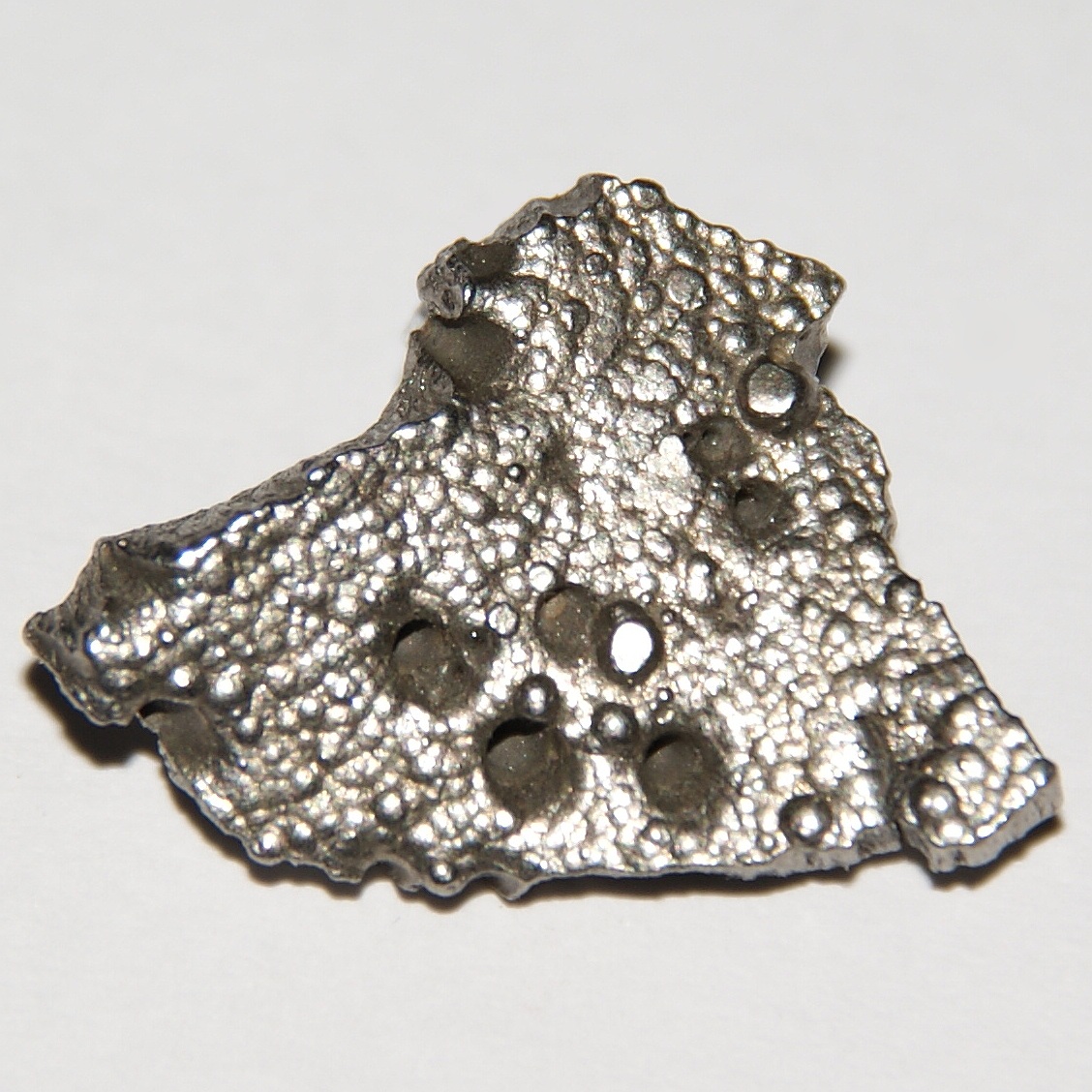
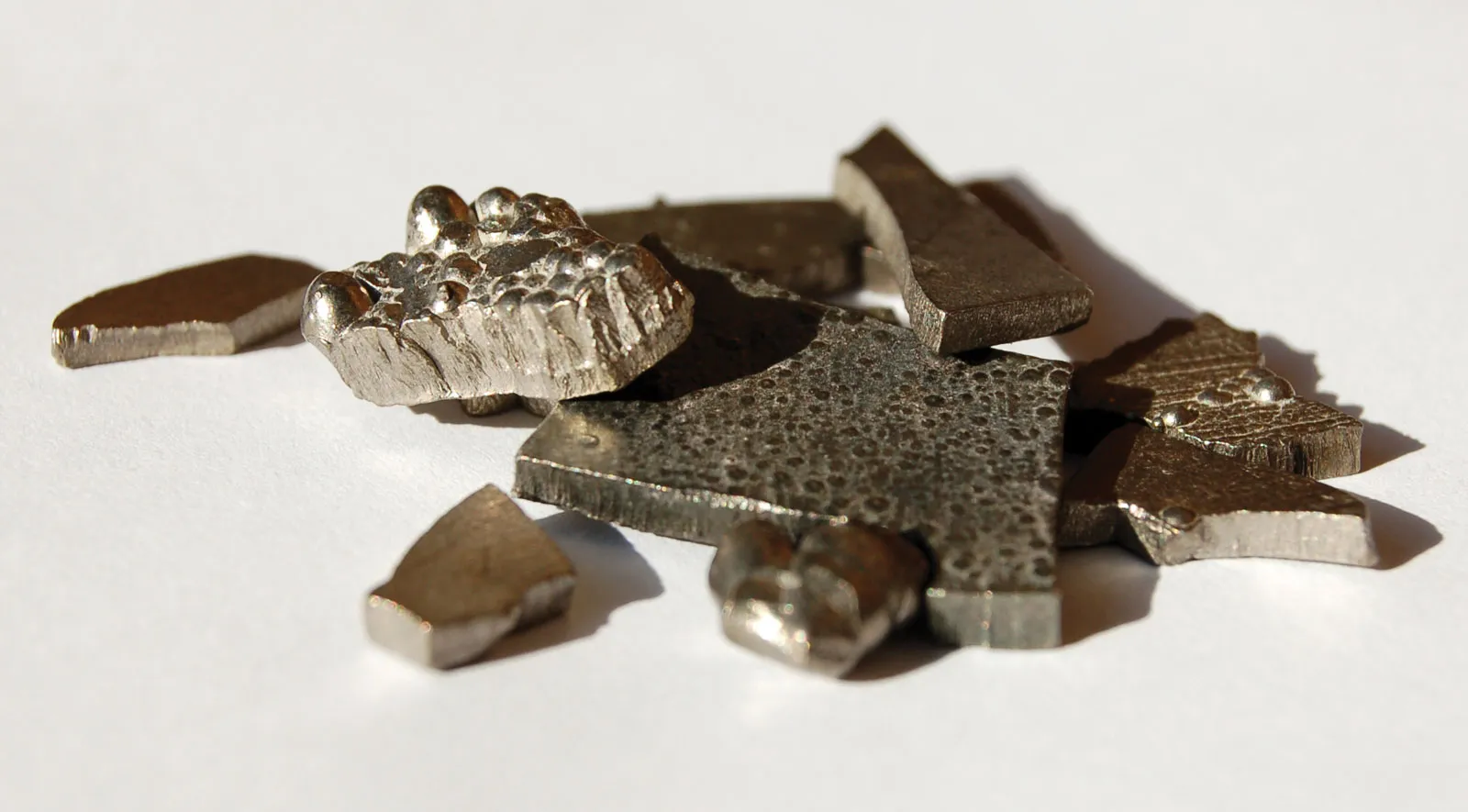
Physical form: Broken cathodes, briquettes, or 2–10 mm irregular granules
-
Color / appearance: Silver-gray metallic luster
-
Bulk density: 1.5 – 2.5 g/cm³ (depending on form)
-
Packaging: 500 kg steel drums on pallets, or 2 MT flexible bulk bags
-
Shelf life: Indefinite if stored in dry, ambient conditions (≤35°C, ≤70% RH)
Cobalt Sulphate Heptahydrate (CoSO₄·7H₂O)
-
Chemical composition: Co ≥ 20.5% (typically 20.5–21.0%); Sulfate (SO₄) balance; Impurities: Cu ≤ 0.001%, Fe ≤ 0.0005%, Zn ≤ 0.001%, Pb ≤ 0.0005%
-
Purity grade: 99.5% min (battery-grade)
-
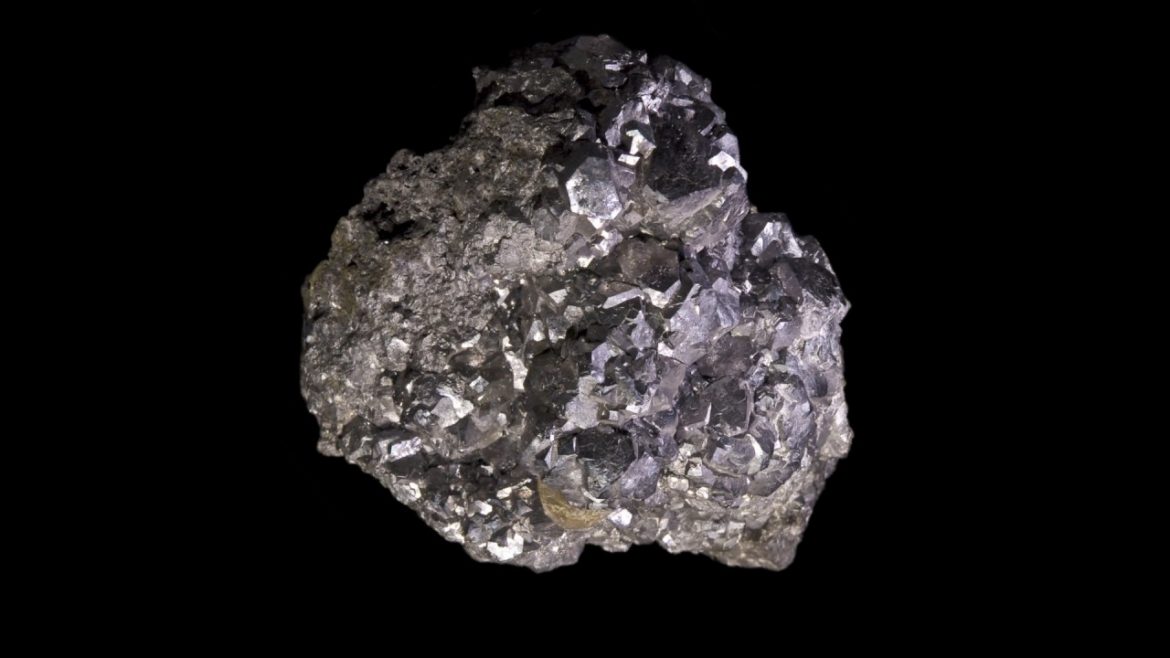
Physical form: Crystalline powder or rose-pink free-flowing granules
-
Particle size: D50 = 100–300 µm (customizable)
-
Bulk density: 1.0 – 1.2 g/cm³
-
Packaging: 1,000 kg super sacks, or 25 kg HDPE-lined woven bags
-
Shelf life: 24 months from production date when sealed and kept below 40°C / 65% RH
3. Core Industrial Applications
-
Lithium-ion battery cathode manufacturing (EV & ESS): Cobalt Sulphate is the precursor of choice for LiCoO₂ and NMC (nickel-manganese-cobalt) cathodes. It provides higher volumetric energy density and structural stability than nickel-only chemistries, reducing thermal runaway risk. Compared to lower-purity substitutes, battery-grade cobalt sulphate ensures more consistent cycling performance (≥2,000 cycles at 80% capacity retention).
-
Aerospace & land-based superalloys: Cobalt Metal is alloyed with nickel, chromium, and tungsten to produce gas turbine blades, vanes, and jet engine components. Its superior high-temperature creep resistance (up to 1,100°C) outperforms standard stainless steels, extending part life by 3–5x in hot-section applications.
-
Magnetic alloys & cutting tools: Cobalt addition in Alnico or Sm-Co permanent magnets improves coercivity and remanence. In cemented carbides (WC-Co), cobalt acts as a metallic binder, providing a unique balance of hardness (≥89 HRA) and fracture toughness – unmatched by iron or nickel binders in high-impact drilling tools.
4. Competitive Advantages
-
Quality consistency: Every batch is certified via ICP-OES and XRF analysis. Statistical process control (SPC) ensures lot-to-lot variability below 0.2% for cobalt content – critical for cathode formulation and alloy heat treatment.
-
Supply reliability: Integrated refining from DRC-compliant and Australian-sourced ores, with multi-continent warehousing (Asia, Europe, North America). Backup production lines guarantee 98.5% on-time-in-full (OTIF) delivery even during spot market disruptions.
-
Logistics capability: 40,000 MT annual throughput capacity. Pre-negotiated freight contracts with major liners (MSC, Maersk) enable 15–25 day delivery from dispatch to major ports (Rotterdam, Busan, Houston).
-
Price competitiveness: Direct offtake from refiners removes 2–3 intermediary layers. Pricing formula based on LME cobalt plus fixed conversion fee, with volume-based tiered discounts (3–7% below regional spot average).
-
Sustainability & compliance: Full traceability under OECD due diligence guidance. Third-party audited for no child labor, and CO₂ emissions per kg of cobalt 30% below industry average (hydro-powered refining). E-waste recycling partner network available for end-of-life battery material recovery.
-
Technical support: Dedicated metallurgist and battery chemist consultation for formula optimization. Free certificate of analysis (CoA) and material safety data sheet (MSDS) in 12 languages.
5. Commercial & Supply Information
-
Minimum order quantity (MOQ): BULK 20 metric tons (MT) per product type (Cobalt Metal or Cobalt Sulphate). Split orders (e.g., 10 MT metal + 10 MT sulphate) accepted at 25 MT total MOQ.
-
Loading capacity per 20FT container:
-
Cobalt Metal (briquettes/granules): 24 MT per 20FT dry container (palletized)
-
Cobalt Sulphate (super sacks): 22 MT per 20FT container
-
-
Payment terms: LC at sight or TT advance for first order; open account (Net 30) after three successful shipments.
-
Lead time: 14 days from confirmed PO and LC receipt for stock material; 35 days for custom particle size / packaging.
-
Origin & HS codes:
-
Cobalt Metal: HS 8105.20 (refined cobalt)
-
Cobalt Sulphate: HS 2833.29
-
Reviews
There are no reviews yet.