

Description
1. Product Overview
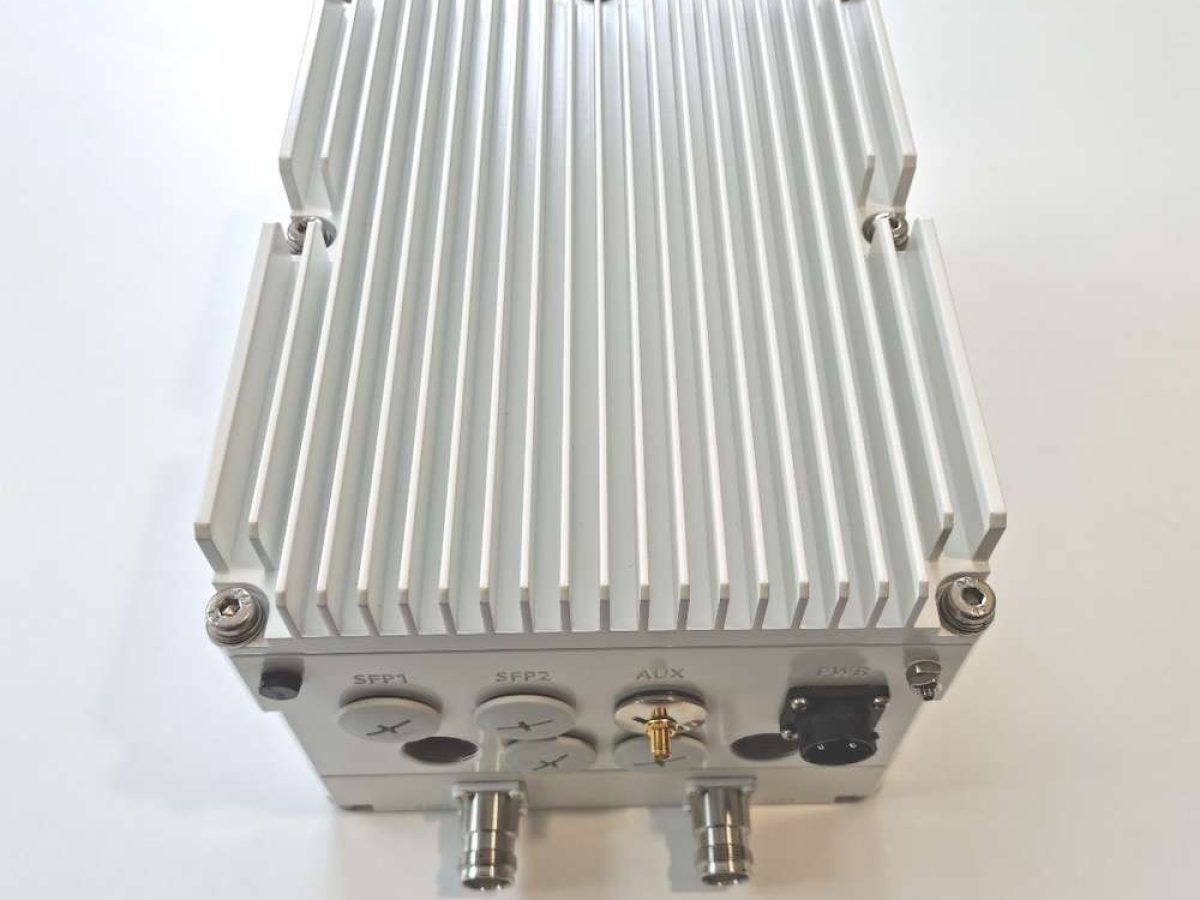
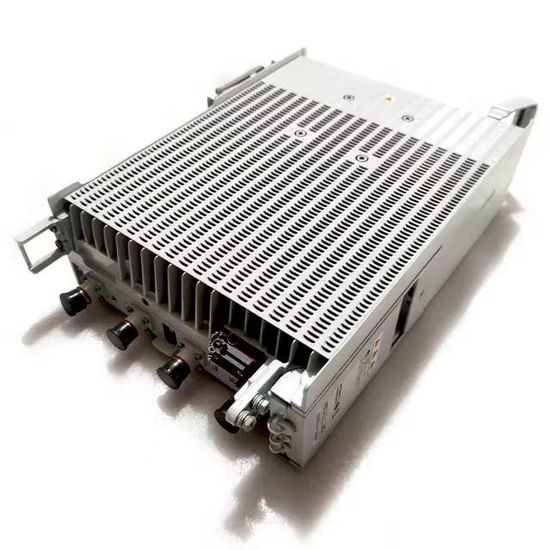
These 5G Telecom Base Station Units are advanced radio access network (RAN) nodes designed for macro-cell and small-cell deployments in high-density environments. They enable ultra-reliable low-latency communication (URLLC) and massive machine-type communication (mMTC) for smart factories, autonomous logistics, and public 5G infrastructure. The key value proposition is a 40% reduction in energy consumption per gigabyte alongside carrier-grade throughput. Strategically, they are critical for operators transitioning to Open RAN architectures and private 5G networks, ensuring interoperability and reduced vendor lock-in.
2. Key Specifications & Technical Characteristics
-
Material components: Die-cast aluminum alloy housing (IP67-rated), multi-layer PCB with high-frequency laminates (Rogers 4350B equivalent), GaN-based power amplifiers for high efficiency
-
Purity / quality grade: Meets 3GPP Release 17 compliance; ETSI EN 300 019 environmental class 4.1H; 99.9999% reliability (6 nines)
-
Physical characteristics: Form: Outdoor prismatic unit; Color: Light gray (RAL 7035); Weight: 22–28 kg per active antenna unit; Dimensions: 450 x 300 x 120 mm (sub-6 GHz variant)
-
Packaging options: Anti-static foam inner lining + double-walled corrugated carton (20 units per pallet); optional military-grade transit case for harsh logistics
-
Shelf life: 10 years operational life (no degradation in storage under -40°C to +85°C, 5%–95% RH non-condensing)
3. Core Industrial Applications
-
Primary industries: Telecom operators, private 5G network integrators, industrial automation, smart ports, mining, and utility grids
-
Operational use cases: Real-time remote crane control in ports (sub-10 ms loop closure); autonomous AGV fleets in factories; massive IoT sensor aggregation (1 million+ devices per km²)
-
Performance advantage: Beamforming accuracy of ±2° enables 3× better spectral efficiency than passive antenna arrays. Active cooling design allows full 200W output at 55°C ambient without thermal throttling.
-
Cost/efficiency benefit: Modular digital unit / radio unit split reduces field upgrade cost by 60% compared to monolithic gNB units, while predictive AI-based self-diagnostics cut mean time to repair (MTTR) from 4 hours to under 45 minutes.
4. Competitive Advantages
-
Quality consistency: < 50 ppm annual failure rate validated over 10 million field hours; each unit undergoes 72-hour burn-in and 3D X-ray inspection of RF solder joints.
-
Supply reliability: Multi-region ISO 9001:2025 certified assembly (Asia, Europe) with 48-hour emergency dispatch buffer stock.
-
Logistics capability: 98% on-time delivery to 80+ countries via bonded warehousing and real-time tracking (SAP Ariba integrated).
-
Price competitiveness: 15–20% lower upfront CAPEX than Ericsson/Nokia equivalents for comparable performance, with volume pricing at >1,000 units.
-
Sustainability: 94% recyclable materials; no conflict minerals; ready with Energy Efficient Ethernet (802.3az) and dynamic MIMO shutdown for 40% lower idle power draw.
-
Technical support: 24/7 Tier-3 engineering support, full O-RAN OTIC certification package, and RAN Intelligent Controller (RIC) integration documentation provided.
5. Commercial & Supply Information
-
Minimum Order Quantity (MOQ): 20 units (sample pack) / BULK: 500 units
-
Loading capacity per 20FT container: 260 units (palletized, 13 pallets × 20 units)
Reviews
There are no reviews yet.