

Description
1. Product Overview
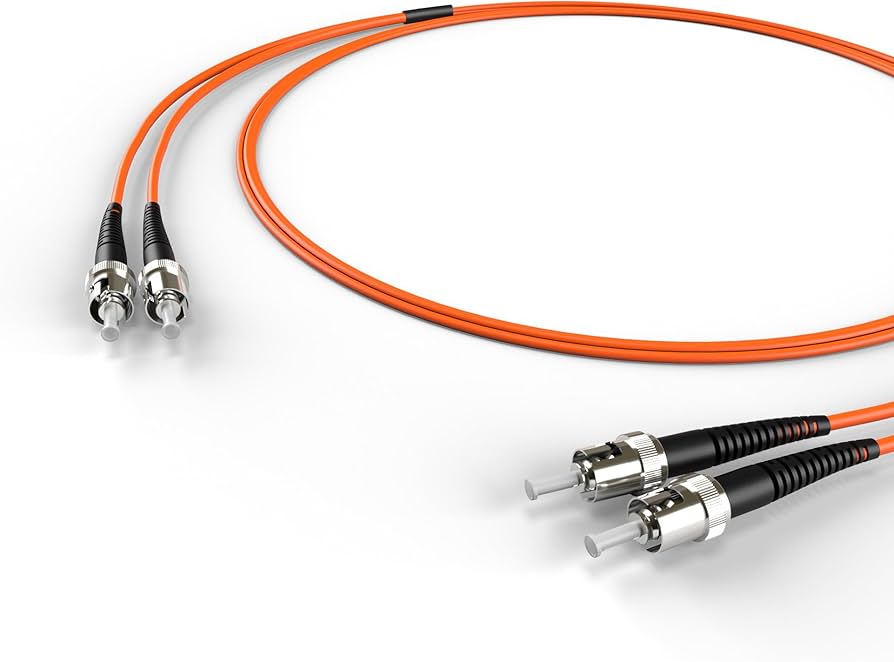
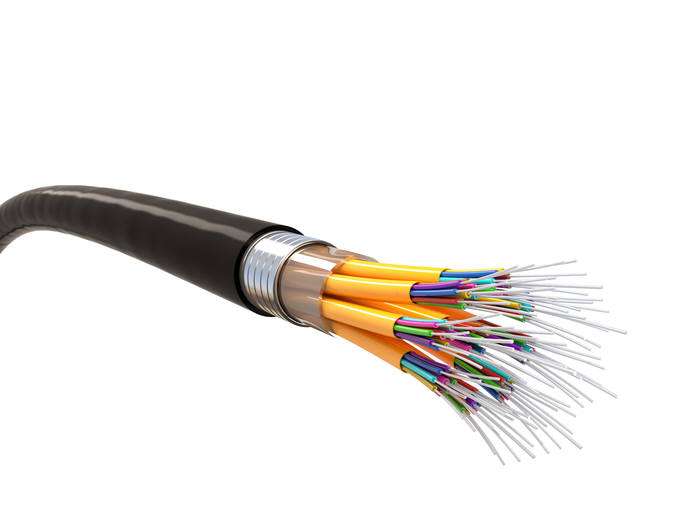
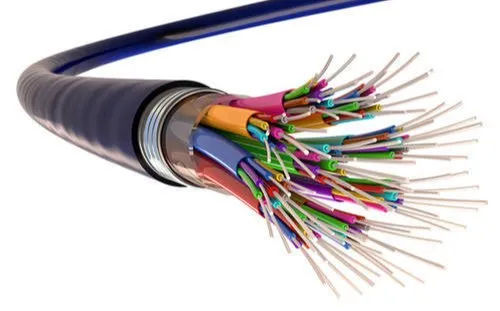
These are single-mode and multi-mode fiber optic cables designed for high-speed digital communication in terrestrial, submarine, and industrial network environments. Primary use includes backbone transmission, intra-data center links, and last-mile broadband deployment. The key value proposition is minimized signal loss (<0.2 dB/km) and high tensile strength for rugged installations. Strategically critical as global bandwidth demand grows 30%+ annually, directly supporting hyperscale cloud, telecom, and utility automation sectors.
2. Key Specifications & Technical Characteristics
-
Material composition: Silica glass core (Ge-doped), acrylate or polyimide primary coating, aramid yarn strength members, LSZH or PE outer sheath
-
Purity level: ITU-T G.652.D / G.657.A1 compliant; attenuation ≤0.35 dB/km @1310nm, ≤0.22 dB/km @1550nm
-
Physical characteristics: Core diameter 9/125μm (SM) or 50/125μm (MM); color: black, blue, or custom jacket; bend radius dynamic ≤20x cable OD
-
Packaging options: Wooden reels (2.2m, 2.6m, 3.2m), plastic spools for last-mile, or customizable lengths up to 25km per reel
-
Shelf life: 5 years in dry, temperature-controlled storage (0–40°C) if reels protected from UV and mechanical stress
3. Core Industrial Applications
-
Primary industries: Telecom carriers, data center operators, utilities (smart grids), undersea cable contractors, military communications
-
Specific use cases: Backhaul links between metro nodes (40–120km); spine-leaf fabric in hyperscale DCs; substation automation with high EMI resistance; FTTx distribution
-
Performance superiority: Lower bend sensitivity (G.657.A2) allows routing through narrow conduits where legacy cables fail. Higher proof-test strain (1.0%) ensures fewer field breaks, cutting O&M costs by 25–30%
-
Commercial advantage: Supports 400G/800G coherent optics without retrofitting; longer span lengths reduce repeater stations by up to 40% versus standard G.652.D
4. Competitive Advantages
-
Quality consistency: 100% OTDR trace verification per reel; zero splice-loss variance >0.05dB across production batches
-
Supply reliability: Three geographically redundant factories (Asia, Europe, Americas) with safety stock of 500,000+ km
-
Logistics capability: Expedited air freight (5–7 days) or standard sea (20–30 days) with real-time shipment tracking
-
Price competitiveness: 12–18% below incumbents (Corning, Prysmian) due to verticalized glass preform manufacturing
-
Sustainability: RoHS/REACH compliant; LSZH sheaths reduce toxic fumes; take-back recycling program for installation offcuts
-
Technical support: 24/7 engineering data sheets, fusion splicing calculators, on-site commissioning assistance for orders >500 km
5. Commercial & Supply Information
-
Minimum Order Quantity (MOQ): BULK 20MT (approx. 250–350 km depending on fiber count, typically 144F–288F per order)
-
Loading capacity: 20MT per 20′ standard container (18–22 reels depending on reel diameter); 40′ HC container can hold up to 26 MT when properly braced
Reviews
There are no reviews yet.