
Description
1. Product Overview
Ruthenium Organometallic Residue is a high-value secondary material derived from spent catalysts and industrial process streams containing organically bound ruthenium complexes. Its primary industrial use is as a feedstock for ruthenium metal recovery and refining, enabling the production of pure Ru for critical applications in electronics, chemicals, and energy sectors. The key value proposition lies in offering a cost-effective, traceable source of a platinum group metal with constrained global supply and high price volatility. Strategically, this material is critical for circular economy initiatives and supply chain de-risking for manufacturers dependent on ruthenium for advanced technologies.
2. Key Specifications & Technical Characteristics
- Chemical composition or material components: Ru content typically 0.5% – 8.0% by weight, present as organometallic complexes and oxides; balance consists of carbonaceous matrix, alumina/silica supports, trace base metals (Fe, Ni, Cu < 2.0%), and process organics
- Purity level or grade: Secondary recovery grade; Ru assay provided per lot via ICP-OES/XRF with certificate of analysis
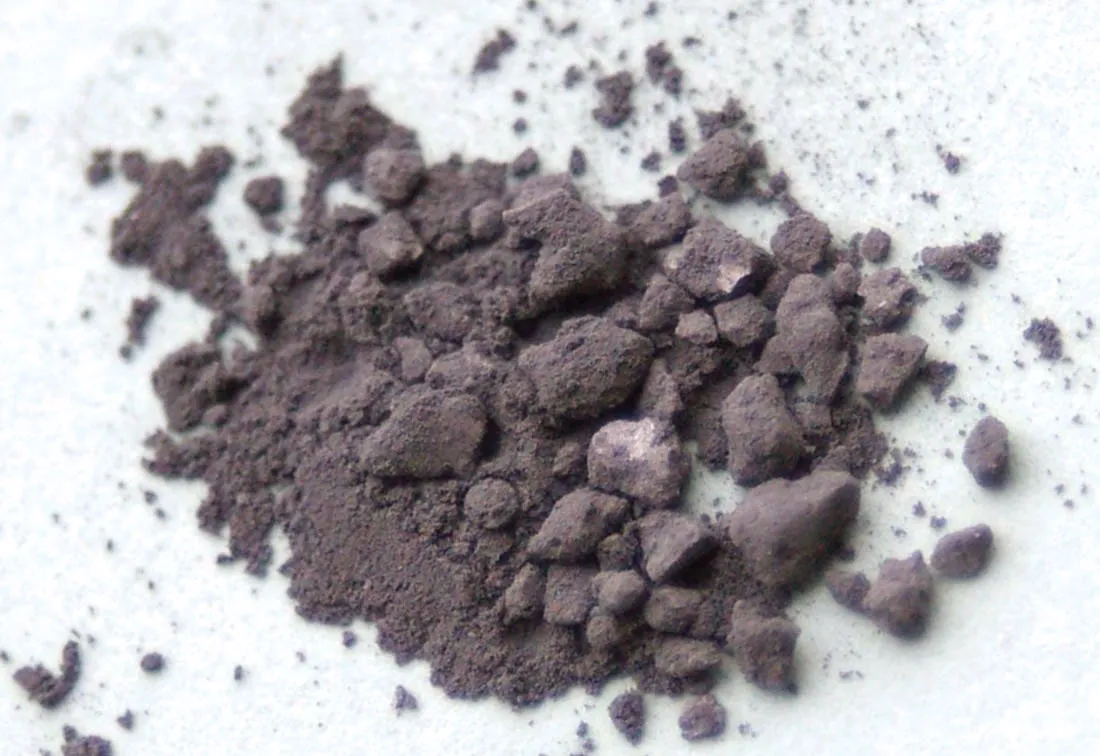
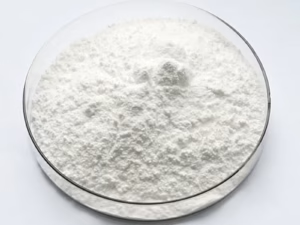
- Physical characteristics (form, color, particle size, density, etc.): Form: Dry powder, granules, or filter cake; Color: Dark brown to black; Particle size: 80% passing 1mm – 10mm, customizable upon request; Bulk density: 0.8 – 1.6 g/cm³ depending on form and moisture
- Packaging options: 25kg UN-rated woven PP bags with PE liner, 500kg–1000kg big bags/FIBCs, or 200L steel drums for moist filter cake; palletized and shrink-wrapped for export
- Shelf life: Chemically stable under dry, covered storage; recommended re-assay if stored >24 months due to potential moisture uptake
3. Core Industrial Applications
- Primary industries: Precious metal refiners, PGM recycling operations, chemical catalyst manufacturers, electronics materials producers, hard disk/media and semiconductor firms
- Specific operational use cases: Feed for pyrometallurgical and hydrometallurgical recovery of ruthenium metal; re-processing into RuCl₃, RuO₂, or other precursors for fresh catalyst synthesis; direct use in alloying where trace organics are acceptable
- Why this product performs better than alternatives: Offers significantly lower acquisition cost vs. virgin ruthenium with comparable recoverable metal yield when processed in optimized refinery circuits
- Efficiency, durability, or cost advantages: Enables refiners to secure Ru units at 15–40% discount to market, improves supply resilience against primary mine disruptions, and supports ESG targets through urban mining and waste valorization
4. Competitive Advantages
- Quality consistency: Each lot homogenized, sampled, and assayed to ISO 12743 standards; moisture and LOD controlled to reduce processing variance
- Supply reliability: Contracted volumes available from audited industrial sources with predictable quarterly generation; stock held for spot allocation
- Logistics capability: Experienced in IMDG/DGR compliant export, with documentation for Basel Convention Annex notifications where applicable; global freight to major refining hubs
- Price competitiveness: Indexed to prevailing Ru metal pricing with transparent deductions for recovery cost; volume-based tier pricing for long-term offtake
- Sustainability or environmental benefits: Diverts hazardous waste from landfill, reduces CO₂ footprint vs. primary mining by >85% per kg Ru recovered, and provides full chain-of-custody documentation
- Technical support or documentation availability: Full SDS, TDS, process safety data, non-radioactivity certificate, and end-use statements provided; technical team available for refinery compatibility assessment
5. Commercial & Supply Information
- Minimum order quantity (MOQ) BULK 20MT: 20MT
- Loading capacity (MT per container): 20MT per 20ft FCL
Reviews
There are no reviews yet.