
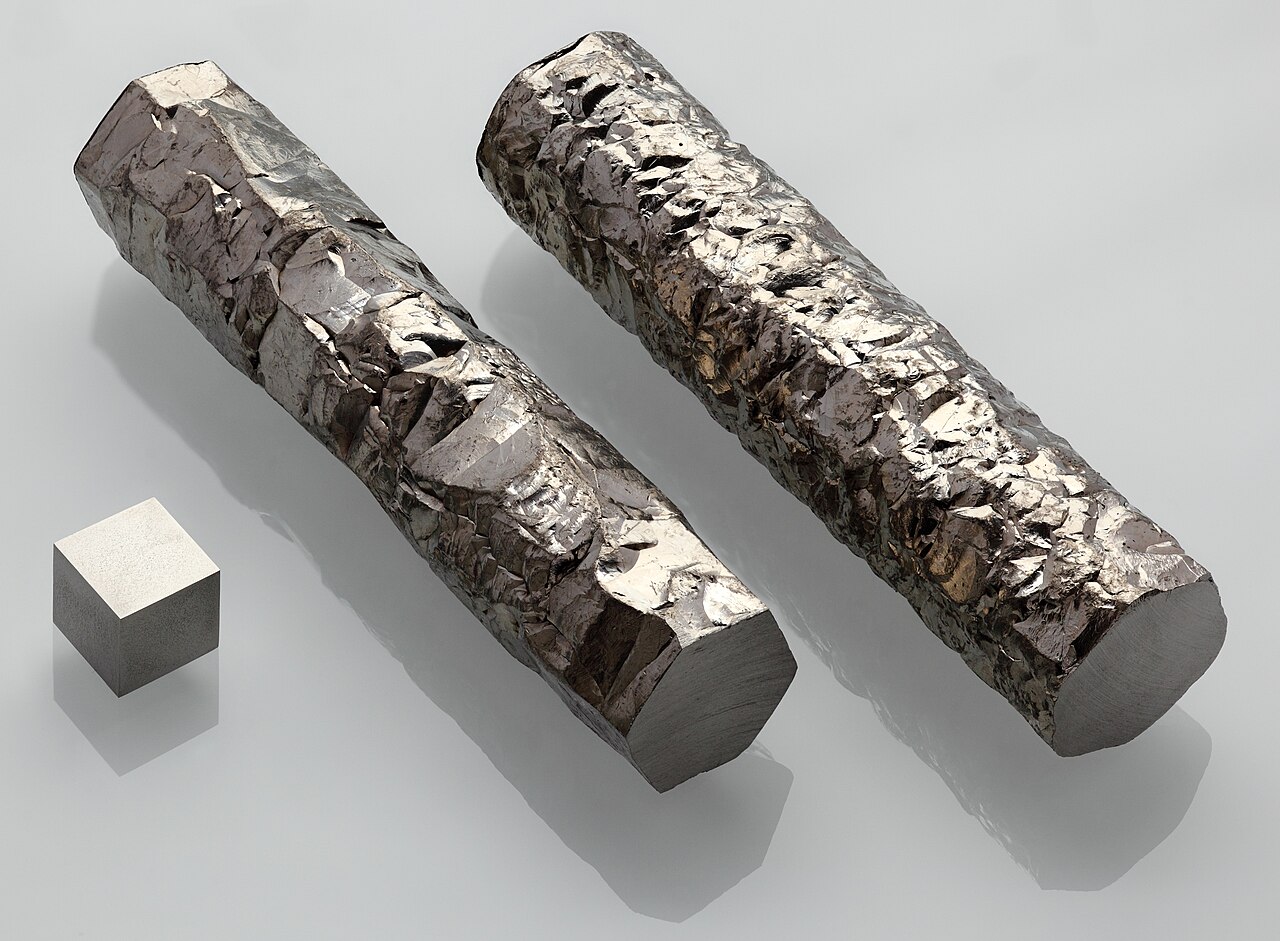
Description
1. Product Overview
Zirconium Organometallic By-product is a high-value secondary stream recovered from primary zirconium catalyst and precursor manufacturing processes. Its primary industrial use is as a cost-effective zirconium source for ceramics, refractories, specialty catalysts, and surface treatment formulations. The key value proposition lies in delivering comparable Zr performance at a significantly reduced raw material cost while supporting circular economy objectives. It is strategically important in the market as manufacturers face rising Zr feedstock prices and tightening ESG mandates that prioritize by-product valorization over virgin material extraction.
2. Key Specifications & Technical Characteristics
- Chemical Composition: Complex of zirconium alkyl/alkoxide residues, Zr content 18%–24% typical; residual organics C4–C8 hydrocarbons; trace Hf < 2.0%; Cl < 0.5%
- Purity Level / Grade: Industrial by-product grade, standardized to Zr assay; moisture controlled < 1.0%
- Physical Characteristics:
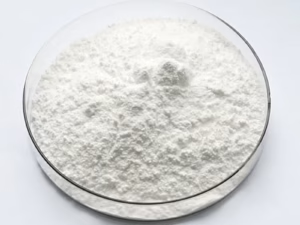
- Form: Free-flowing powder to granular solid; occasional semi-dry cake depending on batch
- Color: Off-white to light tan
- Particle Size: D50 40–150 μm, customizable via milling
- Bulk Density: 1.1–1.5 g/cm³
- Packaging Options: 25 kg multi-wall kraft bags with PE liner, 1 MT FIBC jumbo bags, 20 MT bulk in lined containers upon request
- Shelf Life: 24 months when stored in sealed packaging, cool/dry conditions below 30°C, away from strong oxidizers
3. Core Industrial Applications
- Primary Industries: Advanced ceramics, refractory manufacturing, chemical catalysts, pigment and opacifier production, metal surface treatment, electronics ceramics
- Specific Operational Use Cases:
- ZrO₂ precursor for sintered ceramic components and thermal barrier coatings
- Flux and stabilizer in refractory bricks for steel and glass furnaces
- Active Zr component in polymerization and organic synthesis catalysts
- Opacifying agent in glazes, enamels, and technical glass
- Performance vs Alternatives: Delivers equivalent Zr functionality to virgin zirconium oxychloride or alkoxides at 20%–35% lower input cost. Lower carbon footprint due to by-product origin.
- Efficiency/Durability/Cost Advantages: Reduces raw material spend, shortens procurement lead times, and improves sustainability metrics without requalification in many established formulations where Zr assay is the controlling parameter
4. Competitive Advantages
- Quality Consistency: Batch-to-batch Zr assay certification via XRF/ICP; controlled drying and homogenization process ensures uniform reactivity
- Supply Reliability: Sourced from continuous primary Zr production lines with 500 MT/month stable output capacity
- Logistics Capability: Global export documentation, UN-certified packaging, and experience shipping Class 4.1/4.2 solids under IMDG. Strategic port access for FOB Asia/Europe terms
- Price Competitiveness: Positioned 25%–40% below virgin Zr intermediates, enabling margin protection for downstream producers
- Sustainability Benefits: Diverts process waste from incineration/landfill; reduces cradle-to-gate CO₂ by >60% vs. primary ZrCl₄ route; supports ISO 14001 and Scope 3 reporting
- Technical Support & Documentation: Full SDS, TDS, CoA per lot; REACH dossier available; application engineering support for formulation adjustment and process integration
5. Commercial & Supply Information
- Minimum Order Quantity (MOQ): BULK 20MT
- Loading Capacity: 20 MT per 20′ FCL
Reviews
There are no reviews yet.