
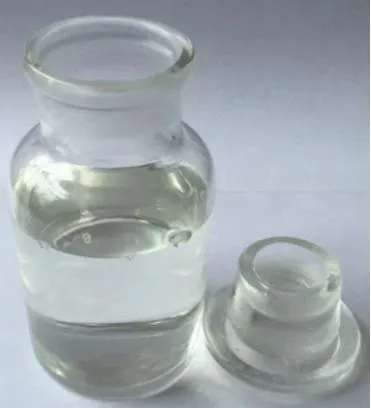
Description
1. Product Overview
Alkylaluminum Residue is a secondary process stream recovered from trialkylaluminum and alkylaluminum halide production, consisting primarily of mixed aluminum alkyls, aluminum alkoxides, and associated reaction by-products. Its primary industrial use is as a cost-effective raw material for aluminum chemical derivatives, catalyst systems, and metallurgical reductants where full-spec alkylaluminum is not required. The key value proposition lies in delivering active aluminum-carbon bond content at significantly reduced input cost while maintaining predictable reactivity profiles. It is strategically important in the market because it enables circular resource utilization, reduces waste disposal liabilities for producers, and provides downstream industries with a competitive feedstock alternative amid tightening supply of virgin alkylaluminum compounds.
2. Key Specifications & Technical Characteristics
- Chemical Composition: Mixture of trialkylaluminum species, dialkylaluminum halides, aluminum alkoxides, residual hydrocarbons, and inorganic aluminum salts. Active Al content: 12% to 18% w/w typical.
- Purity Level / Grade: Industrial Grade, non-spec. Total aluminum alkyl activity measured as mEq/g, range 2.5 to 4.2 mEq/g. Free halide content < 5% w/w.
- Physical Characteristics:
- Form: Viscous liquid to semi-solid sludge, temperature dependent
- Color: Dark brown to black
- Density: 0.88 to 1.05 g/cm³ at 20°C
- Viscosity: 200 to 2,000 cP at 25°C
- Flash Point: Pyrophoric, ignites spontaneously in air
- Packaging Options: UN-certified 200L steel drums under inert gas, 1,000L IBCs with nitrogen blanket, ISO tank containers for bulk shipments. All packaging meets IMDG Class 4.2 requirements.
- Shelf Life: 6 months when stored under dry nitrogen at < 30°C with strict exclusion of air and moisture.
3. Core Industrial Applications
- Primary Industries: Petrochemical catalysts, specialty aluminum chemicals, metallurgy, waste-to-resource processing, and aluminum alkyl derivative manufacturing.
- Specific Operational Use Cases:
- Feedstock for production of polyaluminum chloride and other water treatment coagulants
- Reducing agent in metallurgical processes for specialty alloys
- Catalyst component recovery for Ziegler-Natta polyolefin systems
- Precursor for synthesis of aluminum alkoxides and aluminum soaps
- Performance vs Alternatives: Delivers comparable aluminum activity to virgin triethylaluminum or TEAL blends at 40% to 60% lower material cost. Reduces need for high-purity alkylaluminum in processes tolerant of mixed compositions.
- Efficiency, Durability, Cost Advantages: Lowers raw material spend for derivative producers. Diverts hazardous waste from incineration, reducing disposal costs and environmental liability. Consistent lot-to-lot activity testing ensures predictable reactor performance.
4. Competitive Advantages
- Quality Consistency: Every batch analyzed for active Al content, halide level, and reactivity index. Certificate of Analysis provided with traceable lot data.
- Supply Reliability: Sourced from established alkylaluminum producers under long-term offtake agreements, ensuring stable monthly availability.
- Logistics Capability: DG-certified handling, global freight forwarding, and documentation for Class 4.2 hazardous materials. Experienced in ISOTank, IBC, and drum shipments.
- Price Competitiveness: Positioned 45% to 65% below spot prices for prime alkylaluminum, enabling significant BOM cost reduction for qualified applications.
- Sustainability Benefits: Promotes industrial symbiosis by upcycling process residues. Reduces carbon footprint versus incineration and virgin material production.
- Technical Support: SDS, TDS, and handling protocols provided. Application engineering support available to qualify material in your process.
5. Commercial & Supply Information
- Minimum Order Quantity (MOQ): BULK 20MT
- Loading Capacity: 16 MT per 20ft ISO tank container, 18 MT per 20ft container for drummed product
Reviews
There are no reviews yet.