
Description
1. Product Overview
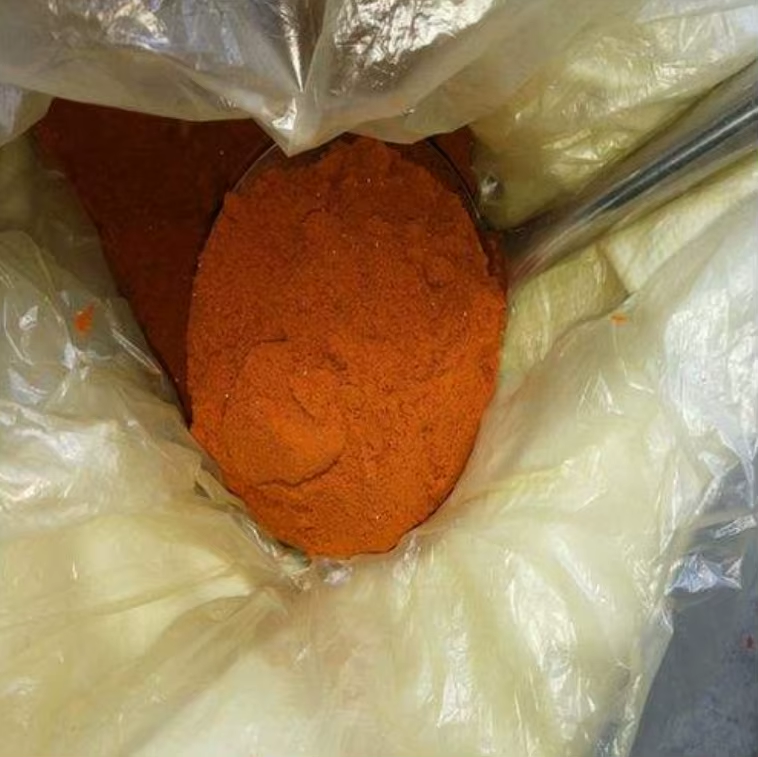
Ferrocene Derivatives Scrap consists of high-value organometallic residues recovered from industrial synthesis, catalysis, and specialty chemical manufacturing processes. Its primary industrial use is as a secondary raw material for refining, catalyst regeneration, and extraction of iron and cyclopentadienyl compounds. The key value proposition lies in delivering a cost-effective, traceable source of ferrocene-based chemistry without compromising downstream performance. It is strategically important in the market as industries seek circular supply chains, reduced feedstock costs, and stable sourcing amid tightening regulations on virgin organometallic compounds.
2. Key Specifications & Technical Characteristics
- Chemical Composition / Material Components: Mixed ferrocene derivatives including ferrocene, acetylferrocene, ethylferrocene, and related alkyl-substituted complexes, with trace catalyst residues
- Purity Level / Grade: 75% – 92% total ferrocene derivatives content by weight, industrial recovery grade
- Physical Characteristics:
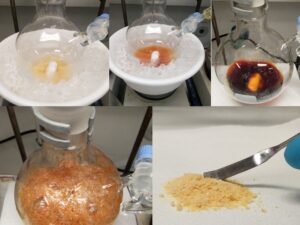
- Form: Coarse powder, granules, or solid lumps depending on source batch
- Color: Dark orange to brownish-black
- Particle Size: 0.5mm – 15mm, with <5% fines under 100 mesh upon request
- Density: Bulk density 0.8 – 1.3 g/cm³
- Packaging Options: 25kg HDPE woven bags with PE liner, 500kg/1000kg FIBC jumbo bags, or 200L steel drums with nitrogen blanket for oxidation-sensitive grades
- Shelf Life: 24 months when stored in sealed packaging, cool/dry conditions below 30°C, away from direct sunlight and oxidizing agents
3. Core Industrial Applications
- Primary Industries: Petrochemicals, fuel additives, pharmaceutical intermediates, polymer & plastics, advanced materials, catalyst manufacturing, aerospace coatings
- Specific Operational Use Cases:
- Feedstock for recovery and reprocessing into technical-grade ferrocene for anti-knock fuel additives
- Precursor material for synthesizing ferrocene-based catalysts used in olefin polymerization and organic synthesis
- Iron source for production of ceramic pigments, magnetic materials, and combustion catalysts
- Intermediate in R&D and specialty chemical manufacturing where cost-sensitive inputs are acceptable
- Performance Advantages vs Alternatives:
- Efficiency: Reduces virgin ferrocene consumption by 40-60% in downstream formulations without loss of catalytic activity
- Durability: Stable thermal properties retained through initial use cycles, suitable for secondary processing
- Cost Advantages: 30-50% lower landed cost vs virgin ferrocene derivatives, improving margin on price-sensitive applications
4. Competitive Advantages
- Quality Consistency: Batch-level assay reports, ICP and GC-MS analysis provided; controlled segregation by source process ensures predictable composition
- Supply Reliability: Aggregated from ISO-certified partner plants with contracted monthly volumes, ensuring year-round availability
- Logistics Capability: Experienced in IMDG Class 4.1 handling, Hazmat documentation, and global containerized shipping from major Asian ports
- Price Competitiveness: Direct-source aggregation model eliminates multi-tier trading markups, enabling bulk pricing aligned with LME iron and specialty chemical indices
- Sustainability / Environmental Benefits: Promotes circular economy by diverting organometallic waste from incineration/landfill; supports Scope 3 emission reduction for buyers
- Technical Support / Documentation Availability: Full MSDS, TDS, Certificate of Analysis, REACH pre-registration data, and toll-processing support for buyers seeking refined output
5. Commercial & Supply Information
- Minimum Order Quantity (MOQ): BULK 20MT
- Loading Capacity: 20MT per 20ft FCL container
Reviews
There are no reviews yet.