
Description
1. Product Overview
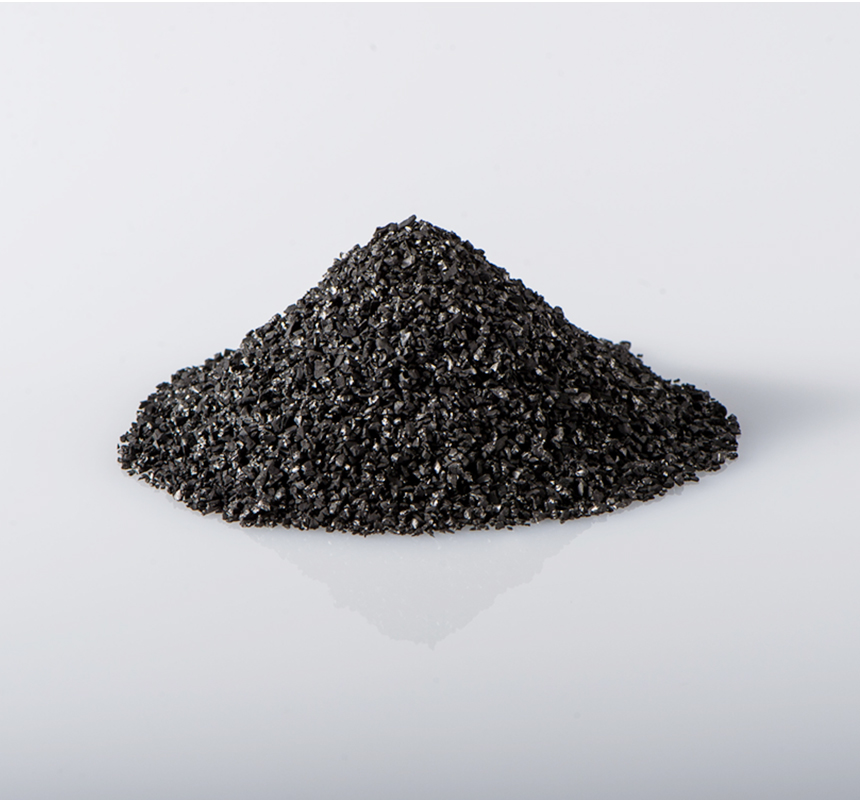
Ni/C Catalyst Residue is a spent nickel-on-carbon hydrogenation catalyst recovered from pharmaceutical, fine chemical, and oleochemical production streams. Its primary industrial use is as a secondary raw material for nickel recovery and recycling by smelters and metal refineries. The key value proposition is high residual nickel content at a significant discount to virgin nickel metal, enabling cost reduction in stainless steel, alloy, and battery precursor supply chains. It is strategically important in the market due to tightening ESG mandates, nickel supply constraints, and the global shift toward circular-economy feedstocks for critical metals.
2. Key Specifications & Technical Characteristics
- Chemical Composition: Nickel (Ni) 15% – 45% on dry basis; Carbon (C) 40% – 80% as support matrix; Moisture 5% – 25%; Trace elements: Fe <2.0%, Al <1.0%, Si <1.5%, S <0.5%
- Purity Level / Grade: Industrial spent catalyst grade; Nickel present as metallic Ni and NiO; Non-hazardous classification subject to SDS verification per batch
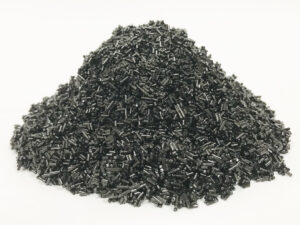
- Physical Characteristics: Form: Black to dark grey granular powder or filter cake; Particle Size: 80% passing 100 mesh (150 μm); Bulk Density: 0.6 – 0.9 g/cm³; Magnetic properties due to metallic Ni content
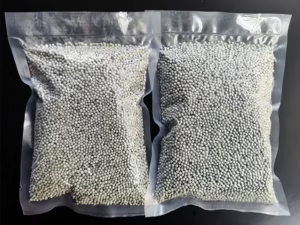
- Packaging Options: 1 MT jumbo bags with inner PE liner on pallets; 25 kg woven PP bags; Bulk direct loading available for 20MT+ orders
- Shelf Life: Stable under dry, covered storage; Recommend processing within 12 months to prevent moisture uptake and agglomeration
3. Core Industrial Applications
- Primary Industries: Non-ferrous metal smelting, stainless steel production, nickel sulfate refining for EV batteries, specialty alloy manufacturing, catalyst regeneration services
- Specific Operational Use Cases: Feedstock for pyrometallurgical or hydrometallurgical nickel recovery; Blending material to adjust nickel units in stainless steel melt shops; Alternative source for nickel salt production after leaching and purification
- Why This Product Performs Better Than Alternatives: Delivers lower cost per contained Ni unit vs. nickel matte or primary cathode; Carbon matrix provides calorific value in smelting, reducing energy input; Existing metallic form improves dissolution kinetics in acid leach circuits vs. laterite ores
- Efficiency, Durability, or Cost Advantages: Reduces raw material procurement cost by 20% – 40% vs. LME nickel; Supports Scope 3 emissions reduction through use of recycled content; Eliminates mining-related supply risk and improves ESG reporting metrics
4. Competitive Advantages
- Quality Consistency: Each lot is sampled, dried, and assayed with XRF/ICP; Certificate of Analysis provided with Ni, moisture, and impurity profile
- Supply Reliability: Aggregated from multiple long-term pharmaceutical and chemical tolling contracts; 200–500 MT available monthly
- Logistics Capability: FOB main ports China, India, EU; Experienced in IMO Class 4.2 and Basel Convention documentation for transboundary movement
- Price Competitiveness: Priced as % of LME Ni, adjusted for grade and volume; Flexible spot and term contracts available
- Sustainability or Environmental Benefits: Enables circular recovery of critical metal; Diverts spent catalyst from landfill; Carbon footprint 60% – 80% lower than primary nickel production
- Technical Support or Documentation Availability: Full SDS, TDS, assay reports, REACH/RoHS statements, and recycling certificates provided; Technical team available for process integration support
5. Commercial & Supply Information
- Minimum Order Quantity (MOQ): BULK 20MT
- Loading Capacity: 20 MT per 20ft container
Reviews
There are no reviews yet.