
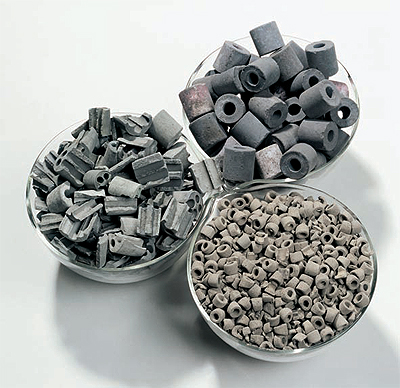
Description
1. Product Overview
Ni-Mo-Al Oxide Catalyst Spent is a high-value secondary raw material recovered from hydroprocessing operations in petroleum refineries. Its primary industrial use is as a feedstock for metal reclamation, specifically for the recovery of nickel and molybdenum, which are critical in steel alloys, specialty chemicals, and new catalyst manufacturing. The key value proposition lies in its concentrated metal content and lower acquisition cost versus primary ores, enabling buyers to secure strategic metals with reduced environmental impact. It is strategically important in the market due to tightening global supply of nickel and molybdenum, rising ESG mandates for circular economy sourcing, and the cost pressures facing refineries and metal processors.
2. Key Specifications & Technical Characteristics
- Chemical Composition: Ni: 4%–12% wt, Mo: 6%–18% wt, Al₂O₃: 50%–70% wt, V: 0%–8% wt, S: 5%–15% wt, C: 2%–10% wt, balance: Fe, SiO₂, P, As, other metals
- Purity Level / Grade: Spent industrial catalyst, Class II hazardous waste if untreated; metal content verified by XRF/ICP analysis per lot
- Physical Characteristics:
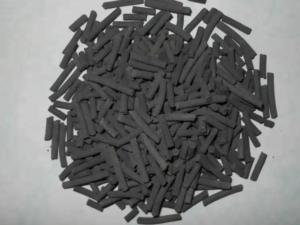
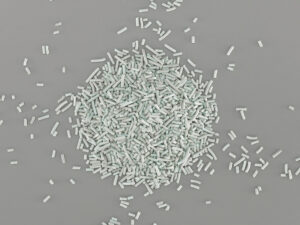
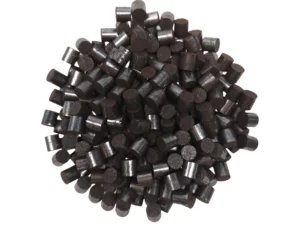
- Form: Extrudates, pellets, or spheres, 1.2–4.0 mm diameter
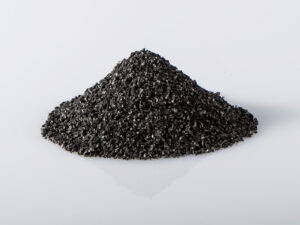
- Color: Dark grey to black
- Bulk Density: 0.6–0.9 g/cm³
- Moisture: <3% wt typical, dried before shipment
- Packaging Options: 1 MT jumbo bags with PE liner, steel drums, or bulk break-bulk as required; UN-rated packaging available for hazardous material classification
- Shelf Life: Indefinite when stored dry in sealed packaging; no degradation of metal content under proper storage conditions
3. Core Industrial Applications
- Primary Industries: Metal reclamation & recycling, hydrometallurgical processing, pyrometallurgical smelting, catalyst manufacturing, specialty alloy production
- Specific Operational Use Cases:
- Roasting and leaching to recover Ni, Mo, and V for resale to stainless steel mills and superalloy producers
- Direct feed to rotary kilns or electric arc furnaces for metal recovery
- Reprocessing into fresh hydroprocessing catalysts after metal extraction and substrate regeneration
- Performance Advantages:
- Higher metal concentration than most natural ores or slags, reducing processing energy per ton of Ni/Mo recovered
- Consistent catalyst origin ensures predictable trace element profile for refiners
- Lower carbon footprint versus primary mining, supporting Scope 3 emissions reduction targets
- Immediate availability compared to long lead times for mined concentrates
4. Competitive Advantages
- Quality Consistency: Every lot sampled and assayed with third-party SGS/Inspectorate certification; low variance in Ni/Mo content across shipments
- Supply Reliability: Sourced from long-term contracts with major refineries in EMEA and Asia; 500–1000 MT monthly availability
- Logistics Capability: Experience with Basel Convention, IMDG, and ADR documentation; global freight forwarding to major ports; ability to handle hazardous and non-hazardous classification
- Price Competitiveness: Priced at significant discount to LME Ni/Mo index on contained metal basis; flexible pricing models: per MT or metal-payable terms
- Sustainability Benefits: Enables circular economy metal flows; supports ISO 14001 and RMI compliance; reduces mine waste and CO₂/MT of metal by >60% vs virgin production
- Technical Support: Full MSDS, TDS, and transport classification docs provided; trace element profiles and leaching test data available; dedicated metallurgist support for integration into buyer processes
5. Commercial & Supply Information
- Minimum Order Quantity (MOQ): BULK 20MT
- Loading Capacity: 20–22 MT per 20ft container depending on bulk density and packaging
Reviews
There are no reviews yet.