
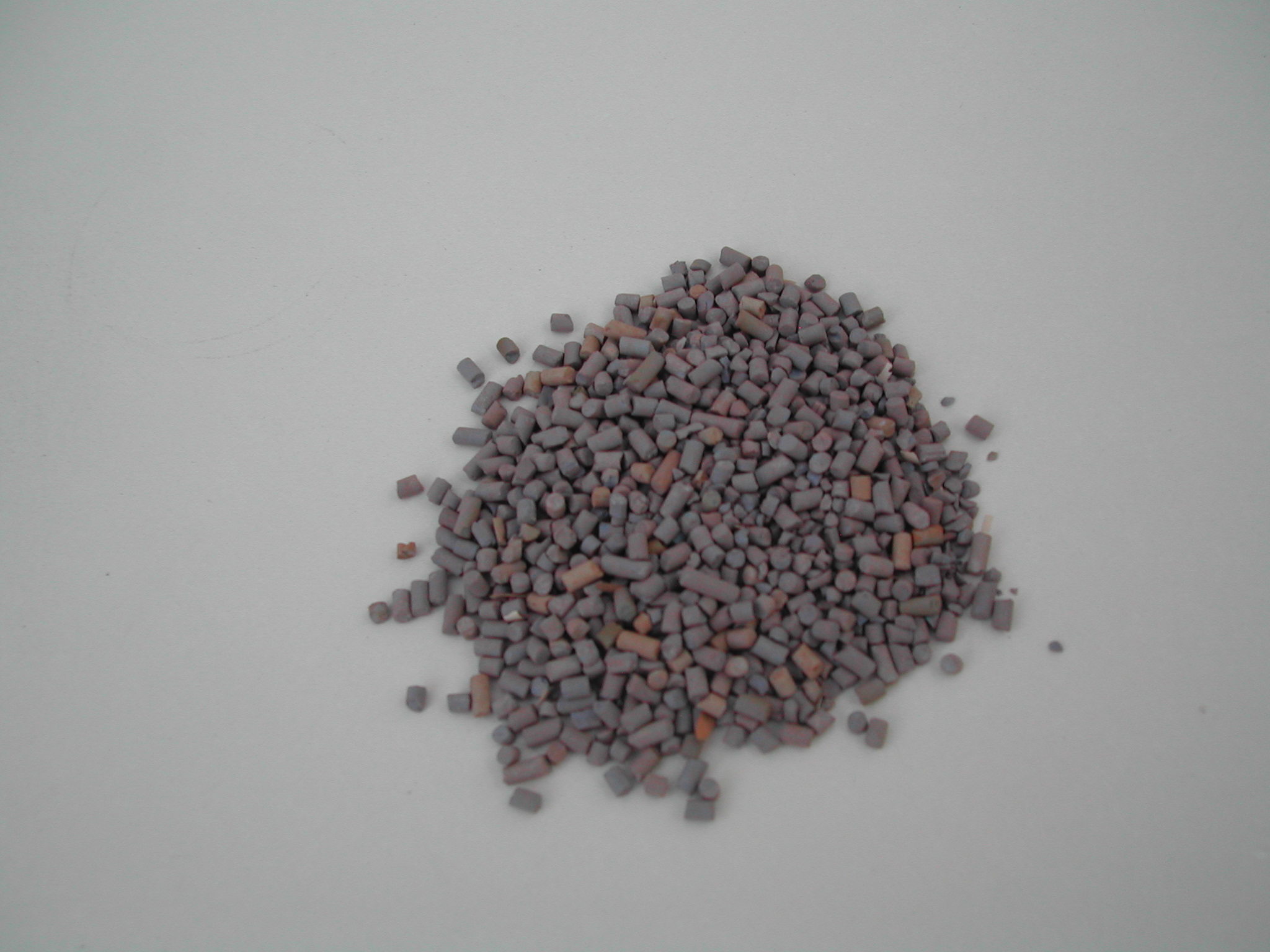
Description
1. Product Overview
Spent Co-Al Oxide Catalyst is a recovered industrial catalyst material consisting primarily of cobalt and aluminum oxides, extracted from spent hydroprocessing and hydrogenation units in refineries and petrochemical plants. Its primary industrial use is as a secondary raw material for cobalt recovery, catalyst regeneration, and production of cobalt chemicals, alloys, and battery precursors. The key value proposition lies in delivering high cobalt content at significantly reduced cost compared to primary mined sources, with traceable origin and consistent supply. It is strategically important in the market as global industries shift toward circular economy sourcing, critical mineral security, and sustainable battery supply chains.
2. Key Specifications & Technical Characteristics
- Chemical Composition: Typical range Co 5-25% wt, Al₂O₃ 60-85% wt, with minor Mo 0-8%, Ni 0-3%, V, Fe, SiO₂, and residual sulfur <2%. Exact assays provided per lot with ICP or XRF certification
- Grade: Industrial secondary material. Classified as spent catalyst for recovery, not virgin catalyst
- Physical Characteristics:
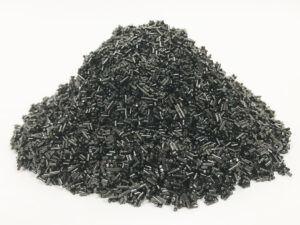
- Form: Extrudates, trilobes, or spheres. Partially broken fines may be present
- Color: Dark grey to black
- Particle Size: Nominal 1.2-3.5 mm diameter for whole pellets. Fines <1 mm up to 15% typical
- Bulk Density: 0.6-0.9 g/cm³
- Moisture: <5% wt typical. Hydrocarbon content <3% wt after stripping
- Packaging Options: 1 MT woven jumbo bags with PE liner, 20 MT per 20ft container. Bulk vessel shipment available on request
- Shelf Life: Indefinite if stored dry in sealed packaging. Material is non-reactive under standard conditions
3. Core Industrial Applications
- Primary Industries: Hydrometallurgical refining, catalyst manufacturing, specialty chemicals, battery materials, superalloy production, pigments and ceramics
- Specific Operational Use Cases:
- Cobalt Recovery: Direct feedstock for roasting and leaching plants to produce cobalt sulfate, cobalt oxide, or cobalt metal
- Catalyst Regeneration: Reprocessing into fresh hydrotreating or hydrogenation catalysts after metals extraction
- Battery Supply Chain: Source of cobalt for NMC and LCO cathode precursor manufacturing
- Alloying: Additive in superalloys and hard-facing materials where Al₂O₃ matrix is acceptable
- Why It Performs Better: Offers 30-60% cost savings versus primary cobalt units with comparable metallurgical recovery rates. Pre-calcined Al₂O₃ matrix simplifies downstream processing versus mixed ores
- Efficiency & Cost Advantages: Reduces reliance on volatile cobalt spot markets. Lower carbon footprint than primary mining. Consistent lot sizing enables efficient smelter batching
4. Competitive Advantages
- Quality Consistency: Every shipment sampled and assayed by third-party SGS or Alex Stewart. Lot-by-lot Certificates of Analysis provided
- Supply Reliability: Aggregated from long-term contracts with Tier-1 refineries in EU, Middle East, and Asia. 500-2000 MT monthly availability
- Logistics Capability: Experienced in IMO Class 9 and Basel Convention documentation. Licensed exporter with global freight forwarding partners. Loading at Antwerp, Jebel Ali, Singapore, Houston
- Price Competitiveness: Priced at discount to LME cobalt content with transparent formula: %Co x LME x payable factor. Aluminum credit available
- Sustainability Benefits: Supports Scope 3 emissions reduction and ESG reporting. Enables customers to meet recycled content targets. Fully traceable chain of custody
- Technical Support: MSDS, TDS, radioactivity certificates, and end-use processing guidance available. Dedicated metallurgist on staff for recovery optimization
5. Commercial & Supply Information
- Minimum Order Quantity (MOQ): BULK 20MT
- Loading Capacity: 20 MT per 20ft container
Reviews
There are no reviews yet.