
Description
1. Product Overview
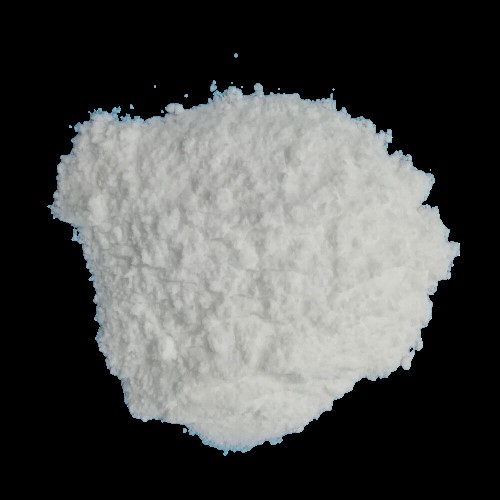
Lithium Hydroxide By-product is a secondary stream material recovered from primary lithium hydroxide monohydrate production, delivering reliable lithium content for cost-sensitive industrial applications. Its primary industrial use is as a precursor in lithium-ion battery cathode materials, lubricating grease manufacturing, and specialty chemical synthesis. The key value proposition is a significantly lower price point than prime-grade LiOH·H₂O while maintaining consistent chemical performance for non-pharma, non-battery-cell-critical processes. It is strategically important in the market as manufacturers seek secure, ESG-aligned, and cost-effective lithium units to diversify supply and reduce upstream dependency amid global electrification demand.
2. Key Specifications & Technical Characteristics
- Chemical Composition: LiOH (anhydrous basis) 48.0–54.0%, with balance as Li₂CO₃, H₂O, Na, K, Ca, SO₄, and trace insolubles
- Purity Level / Grade: Industrial/Technical Grade By-product; not for battery cell or pharmaceutical use
- Physical Characteristics:
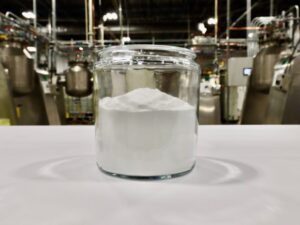
- Form: Fine to coarse powder or granular cake
- Color: Off-white to light grey
- Particle Size: D50 20–150 µm, typical; variable by batch
- Bulk Density: 0.7–1.1 g/cm³
- Moisture: 3.0–12.0% H₂O, batch dependent
- Packaging Options: 25kg PE-lined woven bags, 500kg/1000kg FIBC jumbo bags, palletized and shrink-wrapped
- Shelf Life: 12 months when stored in sealed packaging, dry, cool conditions below 30°C; hygroscopic – reseal after opening
3. Core Industrial Applications
- Primary Industries: Lithium-ion battery supply chain, industrial lubricants, ceramics & glass, air treatment, specialty chemicals
- Specific Operational Use Cases:
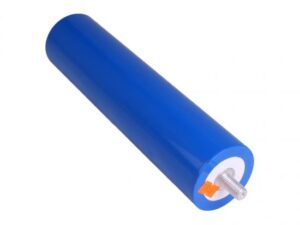
- Cathode precursor producers using it for LFP/LMO routes where Li input cost dominates
- Lithium complex grease manufacturers as saponification agent for high-temperature greases
- CO₂ absorption systems in industrial scrubbers and breathing apparatus
- Fluxing agent in ceramic frits and heat-resistant glass formulations
- Performance vs Alternatives: Offers 20–35% cost reduction versus prime LiOH·H₂O with acceptable reactivity for bulk chemical processes, avoiding over-specification
- Efficiency / Durability / Cost Advantages: Reduces raw material input cost per ton of finished product, enables dual-sourcing strategies, and utilizes circular-economy material that would otherwise require disposal
4. Competitive Advantages
- Quality Consistency: Lot-tracked with full COA including XRF, ICP, and titration; batch-to-batch LiOH variance controlled within ±2.0%
- Supply Reliability: Generated from continuous primary production line with 500+ MT/month stable output and dedicated allocation for by-product stream
- Logistics Capability: Export-ready from bonded warehouse with global forwarding; DG classification support and SDS, TDS, UN-certified packaging
- Price Competitiveness: Positioned 25–40% below prime LiOH·H₂O spot indexes, with long-term contract discounts available
- Sustainability / Environmental Benefits: Classified as process reclaimed material, contributing to Scope 3 reductions and waste minimization KPIs for buyers
- Technical Support / Documentation: Full regulatory dossier provided: SDS, TDS, RoHS, REACH compliance statement, and application engineering support on request
5. Commercial & Supply Information
- Minimum Order Quantity (MOQ): BULK 20MT
- Loading Capacity: 20MT per 20’FCL, subject to packaging type and density
Reviews
There are no reviews yet.