
Description
- Product Overview
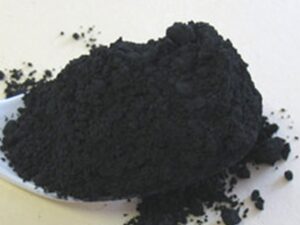
Spent Lithium Nickel Manganese Cobalt Oxide (NMC) is a recovered cathode active material sourced from end-of-life lithium-ion batteries and production scrap. Its primary industrial use is as a high-value secondary feedstock for hydrometallurgical and pyrometallurgical refiners producing battery-grade nickel, manganese, cobalt, and lithium salts. The key value proposition lies in delivering critical metals at reduced cost and lower carbon footprint compared to primary mining. It is strategically important in the market as global EV and energy storage supply chains urgently secure circular, ESG-compliant sources of NMC precursor inputs to mitigate geopolitical risk and raw material volatility. - Key Specifications & Technical Characteristics
- Chemical composition or material components: LiNiMnCoO2 with typical metal content ranges: Ni 10-25%, Mn 8-20%, Co 5-20%, Li 2-7%; Al <3%, Cu <2%, Fe <1%, F <1%. Balance includes carbon, binder residues, and electrolyte traces.
- Purity level or grade: Black mass grade with total Ni+Mn+Co >35% dry basis. Impurity profile suitable for direct hydrometallurgical leaching. Moisture content <3%.
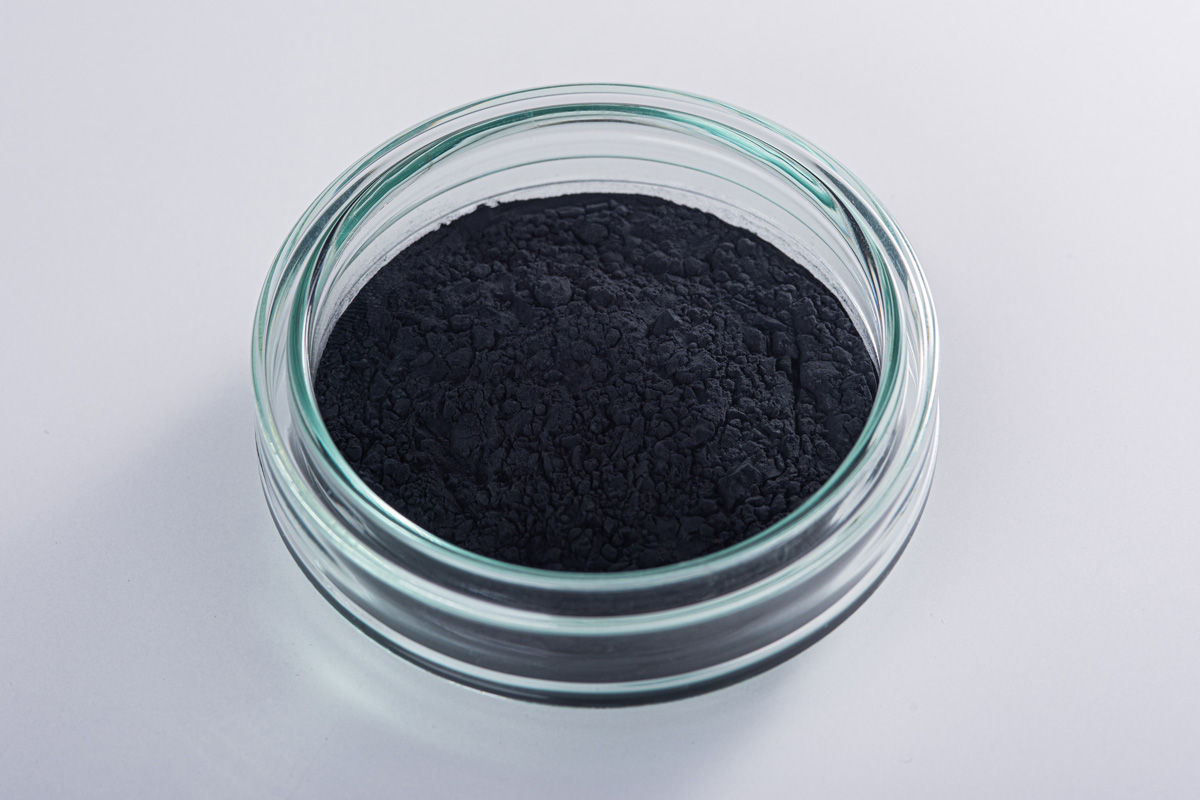
- Physical characteristics: Fine black powder. Color: black to dark gray. Particle size D50: 10-50 microns. Bulk density: 0.8-1.2 g/cm3. Tap density: 1.2-1.6 g/cm3.
- Packaging options: 1 MT or 1.25 MT UN-rated jumbo bags with PE inner liner, moisture barrier, on heat-treated pallets. 20 kg or 25 kg bags available for sampling.
- Shelf life: 24 months when stored in dry, sealed packaging away from direct sunlight and humidity. Inert atmosphere recommended for long-term storage.
- Core Industrial Applications
- Primary industries that use this product: Battery recycling and refining, precursor cathode active material (pCAM) manufacturing, specialty chemicals, and metallurgical processing.
- Specific operational use cases: Direct feed for leach-crash circuits to produce nickel sulfate, cobalt sulfate, manganese sulfate, and lithium carbonate. Used by pCAM producers as blended feed to supplement virgin metal units. Employed in pyromet smelting to produce alloy matte for subsequent refining.
- Why this product performs better than alternatives: Offers faster ramp-up versus mine development and avoids ore beneficiation complexity. Metal content is already liberated from oxide matrix, reducing energy intensity in refining.
- Efficiency, durability, or cost advantages: 30-50% lower procurement cost versus equivalent primary metal units. Reduces Scope 3 emissions by up to 70% compared to mined sources. Secures supply from stable, non-sanctioned jurisdictions and shortens working capital cycles.
- Competitive Advantages
- Quality consistency: Homogenized lots with full ICP-OES and XRF assay certificates. Batch traceability and impurity control per lot. Moisture and particle size controlled to spec.
- Supply reliability: Multi-source aggregation from certified dismantlers across North America, EU, and APAC. Contracted volumes up to 500 MT per month with rolling forecast support.
- Logistics capability: DGM, IATA, and IMDG compliant documentation. Experienced in Class 9 UN3480 hazardous goods handling. Global freight forwarding through Rotterdam, Busan, and Houston hubs.
- Price competitiveness: Indexed pricing linked to LME and Fastmarkets with discount to primary metal basket. Flexible spot and term contracts available.
- Sustainability or environmental benefits: Supports EU Battery Regulation and IRA compliance. Full material traceability and carbon footprint report provided. Enables closed-loop ESG reporting for downstream OEMs.
- Technical support or documentation availability: SDS, TDS, process compatibility guides, and impurity tolerance data provided. Dedicated metallurgist support for trial and qualification.
- Commercial & Supply Information
- Minimum order quantity (MOQ): BULK 20MT
- Loading capacity (MT per container): 20 MT per 20ft container
Reviews
There are no reviews yet.