
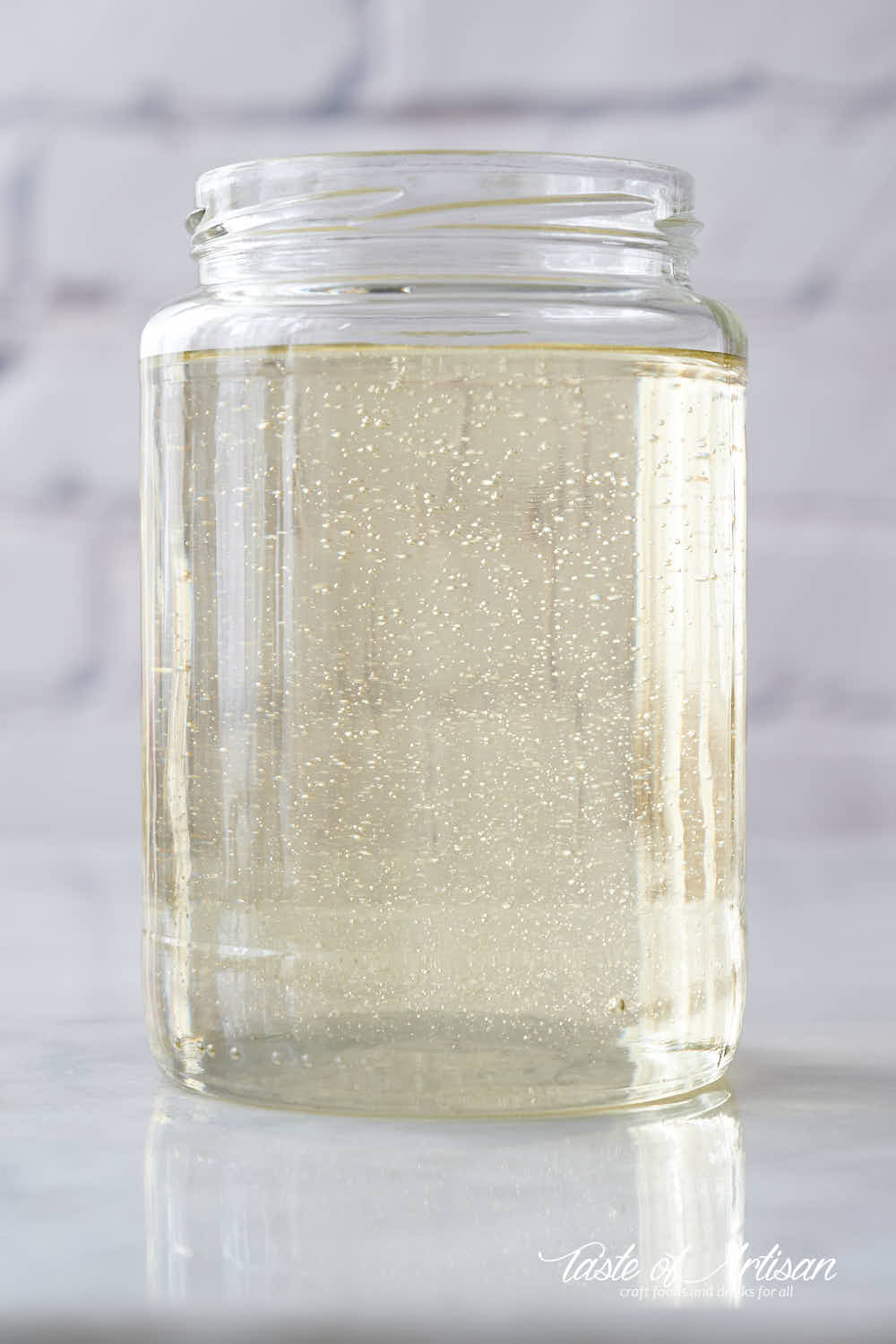
Description
-
Product Overview
Invert Sugar Syrup is a concentrated liquid sweetener produced by hydrolyzing sucrose into glucose and fructose to deliver superior solubility, stability, and sweetness. It is formulated for industrial use as a humectant, fermentation substrate, texturizer, and flavor carrier across food & beverage, confectionery, bakery, beverage fermentation, and pharmaceutical manufacturing. The product delivers consistent brix, controlled reducing-sugar profile, and low crystallization tendency, enabling process stability, higher yield, and extended shelf life of finished goods. Strategically, this invert syrup reduces production variability, lowers downstream processing costs, and supports efficient large-scale formulation and fermentation operations.
-
Key Specifications & Technical Characteristics
-
Chemical composition: Hydrolyzed sucrose (mixture of D-glucose and D-fructose), with residual sucrose ≤ specified limit.
-
Typical formulation: Invert sugar syrup, water; optional anti-foam/antioxidant additives available upon request.
-
Brix (solids content): Typical 72 °Brix (options from 68–80 °Brix available).
-
Invert (% reducing sugars): Typical 40–55% (adjustable per customer spec).
-
Purity/grade: Industrial food-grade or technical-grade options; compliant with applicable food safety and industrial specifications on request.
-
Physical characteristics: Clear to light amber viscous liquid; free of foreign particulates; viscosity and density vary with brix and temperature (typical density at 20 °C: ~1.38 g/mL for 72 °Brix).
-
pH: Typical range 4.0–6.0 depending on formulation.
-
Microbiological: Produced under hygienic conditions; specific microbial limits and certificates available upon request for food/pharma applications.
-
Packaging options: Bulk tankers (ISO tanker), IBCs (1,000 L), steel drum packages (200 L), flexitanks for container shipments, and bulk bags for concentrated solids on request.
-
Shelf life: 12–24 months under recommended storage (cool, dry, sealed containers); stability dependent on storage temperature and packaging.
-
Storage conditions: Store at 5–30 °C, avoid prolonged exposure above 40 °C and direct sunlight.
-
Documentation: Certificate of Analysis (CoA), Safety Data Sheet (SDS), and origin and compliance certificates available per shipment.
-
Core Industrial Applications
-
Food & Beverage: Used in confectionery, chocolate glazing, soft drinks, syrups, jams, and bakery fillings as a humectant and sweetness balancer; reduces crystallization and improves mouthfeel compared with sucrose alone.
-
Brewing & Fermentation: Serves as a highly fermentable sugar feedstock for ethanol, yeast propagation, and specialty fermentation processes where predictable reducing-sugar composition increases fermentation efficiency and yield.
-
Pharmaceutical & Nutraceutical: Employed as a formulation vehicle, binder, and sweetening agent in syrups, suspensions, and lozenges where hygroscopicity and viscosity control are required.
-
Industrial Food Processing: Applied in canned goods and sauces to maintain texture and prevent sugar crystallization during thermal processing and storage.
-
Advantages vs alternatives: Compared with raw sucrose or high-fructose syrups, invert sugar syrup provides faster solubility, lower recrystallization risk, more stable viscosity profiles, and predictable fermentability—resulting in lower rework rates, reduced processing downtime, and improved final-product consistency.
-
Competitive Advantages
-
Quality consistency: Manufactured under controlled process conditions with routine CoA testing to ensure stable brix, invert ratio, and microbiological quality.
-
Supply reliability: Sourced and produced at scale with capacity buffers and contract manufacturing partnerships to support continuous supply for large industrial buyers.
-
Logistics capability: Available in ISO tankers, flexitanks, and IBCs for efficient bulk transport; export-ready documentation and cold-chain coordination for temperature-sensitive loads.
-
Price competitiveness: Economies of scale and optimized production reduce landed unit cost versus small-batch or specialty suppliers; flexible pricing for long-term contracts.
-
Sustainability: Process optimization reduces energy intensity; packaging return programs and optimized shipping consolidations available to lower carbon footprint.
-
Technical support: Application support, formulation guidance, and custom specification capabilities; full technical dossier, CoA, SDS, and on-request supply-chain traceability documentation provided.
-
Commercial & Supply Information
-
Minimum order quantity (MOQ): BULK 20MT.
-
Loading capacity (MT per container): Typical container loading capacities: 1 x 20ft flexitank ≈ 24–26 MT; ISO tank or tanker loads depend on container configuration and route—standard bulk container (20ft) flexitank up to 24–26 MT; for multiples or tankers contact sales for confirmed loading plan.

Reviews
There are no reviews yet.