
Description
-
Product Overview
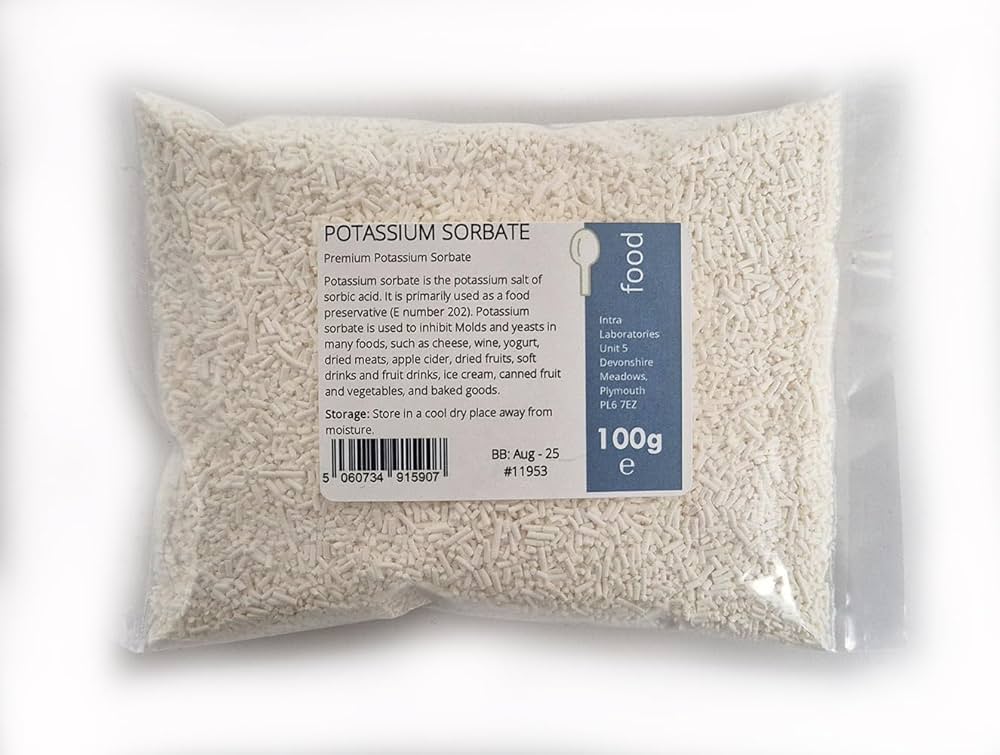
Potassium Sorbate (E202) is the potassium salt of sorbic acid, a widely used food-grade preservative and antimicrobial agent for inhibiting yeast, mold, and certain bacteria. In industrial contexts it serves as a reliable preservative and stabilizer across food processing, beverage, personal care, and select chemical formulations. The key value proposition is broad-spectrum preservative efficacy at low use rates, enabling longer shelf life and reduced product spoilage with minimal impact on taste or formulation stability. Strategically, Potassium Sorbate (E202) protects finished-goods quality, reduces waste and recall risk, and supports regulatory compliance in export markets that recognize E202, making it a high-impact sourcing choice for large-scale manufacturers and ingredient distributors.
-
Key Specifications & Technical Characteristics
-
Chemical name: Potassium sorbate (E202), potassium salt of sorbic acid.
-
CAS number: 590-00-1.
-
Chemical formula: C6H7KO2.
-
Purity / grade: Food grade ≥ 99.0% (typical commercial food/industrial grade); pharmaceutical or higher grades available on request.
-
Assay: ≥ 99.0% (standard), other assay levels available by contract.
-
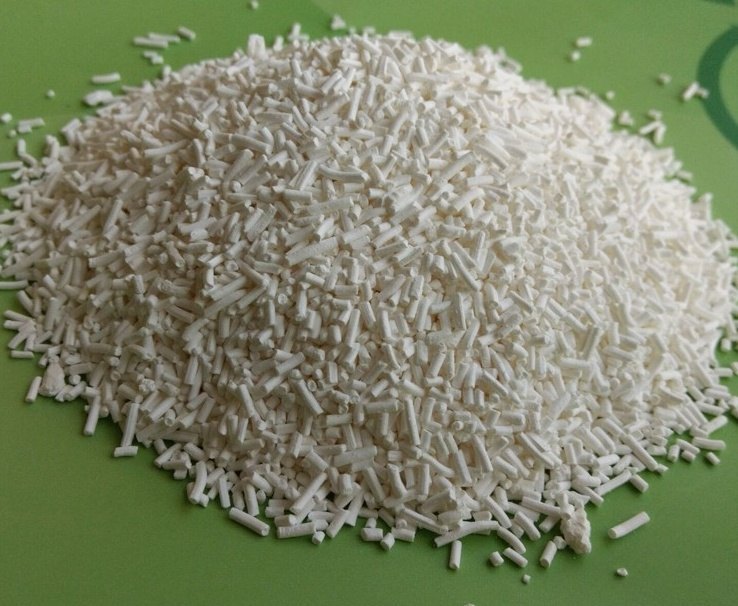
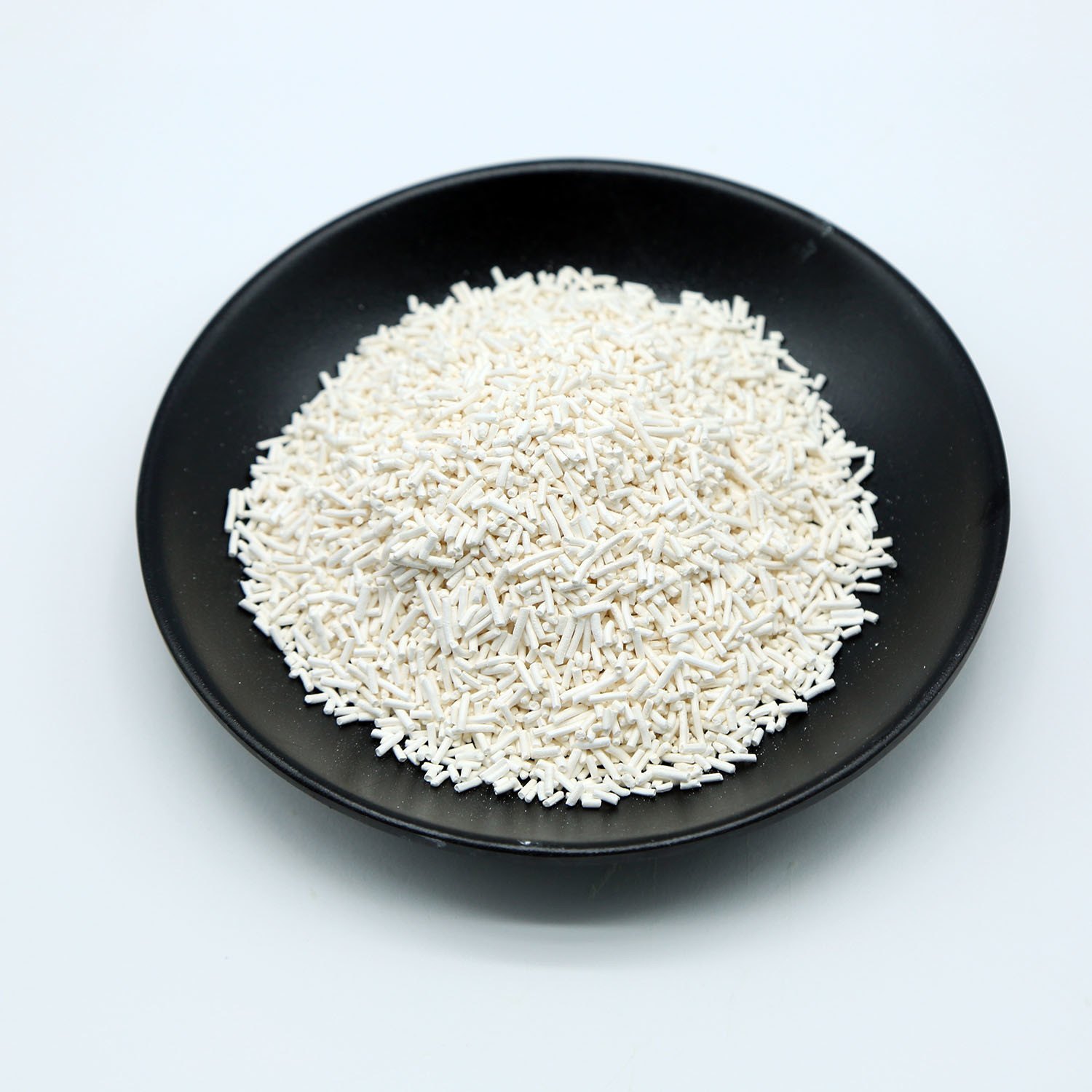
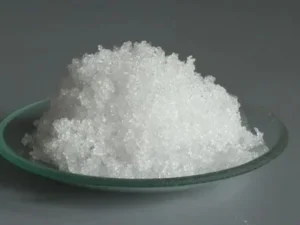
Appearance / form: White to off-white crystalline powder.
-
Solubility: Highly soluble in water; low solubility in organic solvents.
-
Particle size: Typical D50 100–300 µm (custom milling available for finer particle sizes).
-
Bulk density: Approx. 600–800 kg/m3 (varies by packing and particle size).
-
pH (1% aqueous solution): Generally 6.0–7.5 depending on lot and water quality.
-
Melting point: Decomposes before melting (typical thermal behaviour).
-
Loss on drying: ≤ 0.5–1.5% (depending on grade).
-
Residual solvents/impurities: Meets food-grade impurity limits; heavy metals (Pb, As, Cd, Hg) within regulated thresholds.
-
Microbiological limits: Complies with common food-industry microbiological specifications (TPC, absence of pathogens) on request.
-
Packaging options: 25 kg multi-walled paper sacks with PE liner; 500 kg – 1000 kg FIBC (big bags); bulk tanker discharge for liquid slurries available under contract.
-
Storage conditions: Store in cool, dry, well-ventilated area away from acids and oxidizers.
-
Shelf life: 24 months in unopened, original packaging under recommended storage conditions; shelf-life extension testing available.
-
Certifications: Compliant with major regulatory standards where applicable (e.g., EU E-number E202, FSMA, HACCP documentation on request, Kosher/halal certification available on request).
-
Core Industrial Applications
-
Food & Beverage: Preservation of baked goods, dairy products, fruit preparations, sauces, dressings, and alcoholic/non-alcoholic beverages to inhibit yeast and mold growth. Use case: final-product preservative dosed at ppm levels to extend safe shelf life and reduce spoilage-related returns.
-
Confectionery & Bakery: Controls mold in fruit fillings, icings, and pre-baked frozen goods where heat-sensitive preservatives are required.
-
Dairy & Cheese: Preserves surface and ingredient stability in cheeses, cottage cheese, and cream-based preparations.
-
Beverage Manufacturing: Stabilizes fruit juices, soft drinks, and wine blends against yeast re-fermentation and spoilage.
-
Personal Care & Cosmetics: Acts as an antimicrobial stabilizer in creams, lotions, and bath products where broad-spectrum, low-irritation preservation is needed.
-
Industrial Formulations & Specialty Chemicals: Used in certain polymer and adhesive formulations to prevent microbial degradation during storage.
Why it outperforms alternatives: Potassium sorbate works effectively at low concentrations, has minimal flavor impact compared with some alternatives, is water-soluble for easy incorporation, and is accepted in many regulatory regimes. Compared to benzoates it is more effective against molds and some yeasts; compared to sorbic acid it offers improved solubility and handling for aqueous systems. These traits translate into lower total preservative usage, simplified dosing, and reduced product rejects.
-
Competitive Advantages
-
Quality consistency: Tight batch-to-batch assay control and QC testing (assay, moisture, heavy metals, microbiology) to ensure predictable functional performance in production.
-
Supply reliability: Sourced from established producers with secure upstream supply chains and contingency stocks; scalable production to meet large-volume contracts.
-
Logistics capability: Flexible packaging (25 kg sacks, FIBC, bulk) with expertise in container stuffing and export documentation; support for CIF/FOB/DDP terms and rapid lead-time options for urgent replenishment.
-
Price competitiveness: Economies of scale for bulk orders (MOQ-based pricing tiers); long-term contract pricing and hedged supply programs available for high-volume buyers.
-
Sustainability: Manufactured with low-waste processes; shipping optimization to reduce CO2 per tonne; supplier transparency on raw material sourcing; recyclable packaging options available.
-
Technical support & documentation: Full technical data sheets (TDS), certificate of analysis (CoA) per lot, safety data sheets (SDS), regulatory compliance letters, and application guidance (recommended dosing, compatibility notes, solubility profiles). On-request formulation support and stability testing partnerships for large customers.
-
Commercial & Supply Information
-
Minimum order quantity (MOQ): BULK 20 MT.
-
Typical packing: 25 kg sacks, 500–1,000 kg FIBC; bulk loading arrangements available.
-
Loading capacity (MT per container):
-
20 ft container (palletized 25 kg sacks): up to ~18–20 MT depending on pallet configuration and packaging.
-
40 ft container (palletized 25 kg sacks): up to ~24–26 MT depending on pallet configuration and packaging.
-
40 ft HC (maximised): up to ~26–28 MT depending on packing density and stowage.
-
-
Lead time: Typical lead time 2–6 weeks depending on order size and destination; expedited shipment options negotiable.
-
Terms: Flexible commercial terms (FOB, CIF, DDP) and long-term supply agreements with fixed or indexed pricing available for qualifying buyers.
-
QC & sampling: Pre-shipment CoA included; independent third-party lab testing available on request at buyer’s cost.

Reviews
There are no reviews yet.