
Description
-
Product Overview
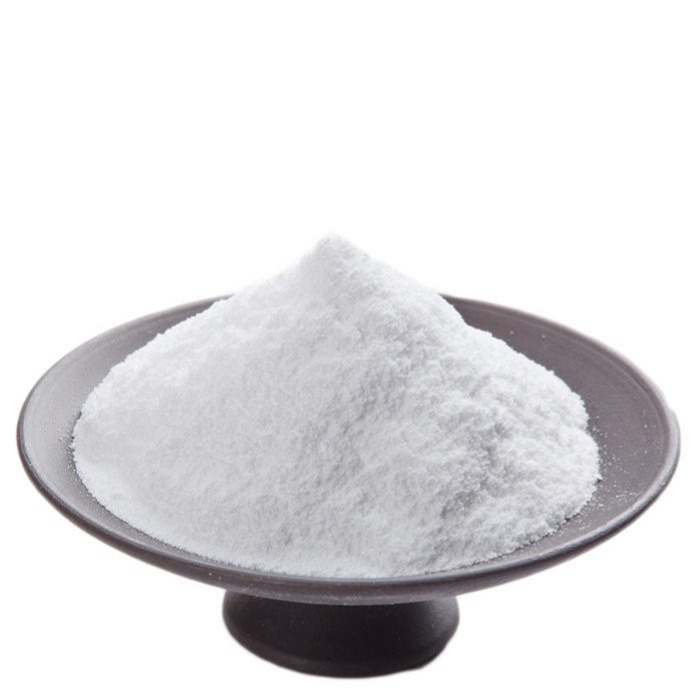
Sodium Bicarbonate (E500) is a high-purity, industrial-grade sodium hydrogen carbonate supplied for large-scale chemical, food-processing adjunct, and technical applications. It functions as a versatile buffering and neutralizing agent, CO2 source for fire suppression and effervescent systems, and pH regulator across diverse manufacturing processes. The product delivers consistent physicochemical performance that reduces process variability, minimizes downstream corrective treatments, and supports cost-efficient scale-up. Strategically, Sodium Bicarbonate (E500) is a foundational commodity chemical that enables process stability and regulatory compliance across pharmaceuticals, food & beverage, water treatment, and industrial cleaning markets.
-
Key Specifications & Technical Characteristics
-
Chemical composition: Sodium bicarbonate (NaHCO3), single-component inorganic salt.
-
Purity / grade: Food-grade / E500 specification; typical assay ≥ 99.2% NaHCO3 (dry basis).
-
Impurities: Low soluble chloride, sulfate, and sodium carbonate per standard E500 limits.
-
Physical form: Fine to medium granular powder; free-flowing.
-
Color: White to off-white.
-
Particle size: Typical D50 40–200 µm (custom sieving available on request).
-
Bulk density: 650–850 kg/m3 (tapped bulk density dependent on grade and particle size).
-
Solubility: Soluble in water; decomposition temperature ~270°C (CO2 release).
-
Moisture content: ≤ 0.5% (typical; controlled to specification at packing).
-
pH (1% aqueous solution): ~8.3–8.5.
-
Packaging options: 25 kg multiwall paper bags with PE liner; 500–1,000 kg FIBCs (big bags); bulk loose in ISO tanker/van trailer for powder cargo; 20 MT palletised container loads.
-
Shelf life: Stable under dry, ambient conditions for 24 months when stored in original sealed packaging away from moisture.
-
Certification: Produced under GMP/food-grade handling protocols; available certificates of analysis (CoA), material safety data sheet (MSDS), and origin documentation upon request.
-
Core Industrial Applications
-
Food & Beverage: pH control, leavening agent for bakery and confectionery, acidity regulator in beverage formulations. Use case: consistent rise and controlled CO2 release for standardized product quality across batches.
-
Pharmaceuticals & Nutraceuticals: Excipients, antacid formulations, buffering in tablet and oral solutions. Use case: high-purity E500 ensures compliance with pharmacopeial impurity limits.
-
Water Treatment & Environmental: pH neutralization, alkalinity adjustment in municipal and industrial wastewater. Use case: cost-effective neutralization with lower handling risk versus strong bases.
-
Industrial Cleaning & Detergents: Mild abrasive and neutralizing agent in formulations for metal cleaning and surface preparation. Use case: safer handling than caustic alternatives with reduced corrosion risk.
-
Fire Suppression & Dry Chemical Systems: Component for dry chemical extinguishing agents and CO2 release systems. Use case: predictable thermal decomposition characteristics for engineered suppression.
-
Chemical Manufacturing: Feedstock for sodium salts and CO2 generation, buffering in plating and textile processing. Use case: consistent stoichiometry and low impurity profile to protect catalysts and downstream reactants.
Why it outperforms alternatives: Sodium Bicarbonate provides a balance of effectiveness, safety, and cost — delivering milder alkalinity than sodium carbonate or caustic soda, easier handling and lower corrosion potential, and superior regulatory acceptance in food and pharma contexts.
-
Competitive Advantages
-
Quality consistency: Tight specification control with batch CoA and in-house QC testing ensures reproducible process performance.
-
Supply reliability: Bulk inventory and scheduled production windows support continuous replenishment for high-volume industrial customers.
-
Logistics capability: Flexible packing (bags, FIBCs, bulk), palletisation, and containerised loading enable efficient multimodal shipping and lower per-unit freight cost.
-
Price competitiveness: Commodity sourcing and optimized production scale deliver favorable unit economics for bulk purchasers and long-term contract pricing.
-
Sustainability benefits: Low-energy production relative to some specialty chemicals; inert, non-toxic breakdown products (CO2, Na2CO3 under high heat); recyclable packaging options available.
-
Technical support: Full documentation suite (CoA, MSDS), application guidance, and on-request technical service for formulation compatibility and trouble-shooting.
-
Commercial & Supply Information
-
Minimum order quantity (MOQ): BULK 20 MT.
-
Loading capacity (MT per container): Standard 20-foot container: up to 20 MT (palletised 25 kg bags or FIBCs depending on packing configuration); 40-foot container/HC: up to 24–25 MT subject to packing density and local transport regulations.


Reviews
There are no reviews yet.