
Description
-
Product Overview
Advantame (E969) is an ultra-high-potency, non-nutritive sweetener derived from aspartame and vanillin precursors, formulated for industrial-scale food, beverage, and ingredient manufacturing. Its primary industrial use is as a high-intensity sweetening agent that delivers sugar-like sweetness at extremely low use rates, enabling substantial reductions in caloric and bulk sweetener inputs. The key value proposition is dramatic formulation flexibility—very low dosage, excellent taste profile, and heat stability—allowing manufacturers to reduce ingredient cost, shrink product weight/packaging, and meet sugar-reduction mandates without compromising sensory quality. Strategically, Advantame supports reformulation initiatives across global markets (sugar reduction, diabetic-friendly, reduced-calorie product lines) while simplifying logistics and regulatory compliance for enterprise buyers. -
Key Specifications & Technical Characteristics
-
Chemical name: N-[N-[3-(3-hydroxy-4-methoxyphenyl)propyl]-L-α-aspartyl]-L-phenylalanine 1-methyl ester (advantame) or trade designation Advantame (E969).
-
INCI/Designation: Advantame; food additive code E969 (where applicable by region).
-
Chemical composition: Synthetic dipeptide derivative, manufactured to food-grade specifications; free from bulk carbohydrate.
-
Purity/grade: Typical assay ≥ 98.0% (food/food‑processing grade). Impurities and related substances controlled per specification sheet.
-
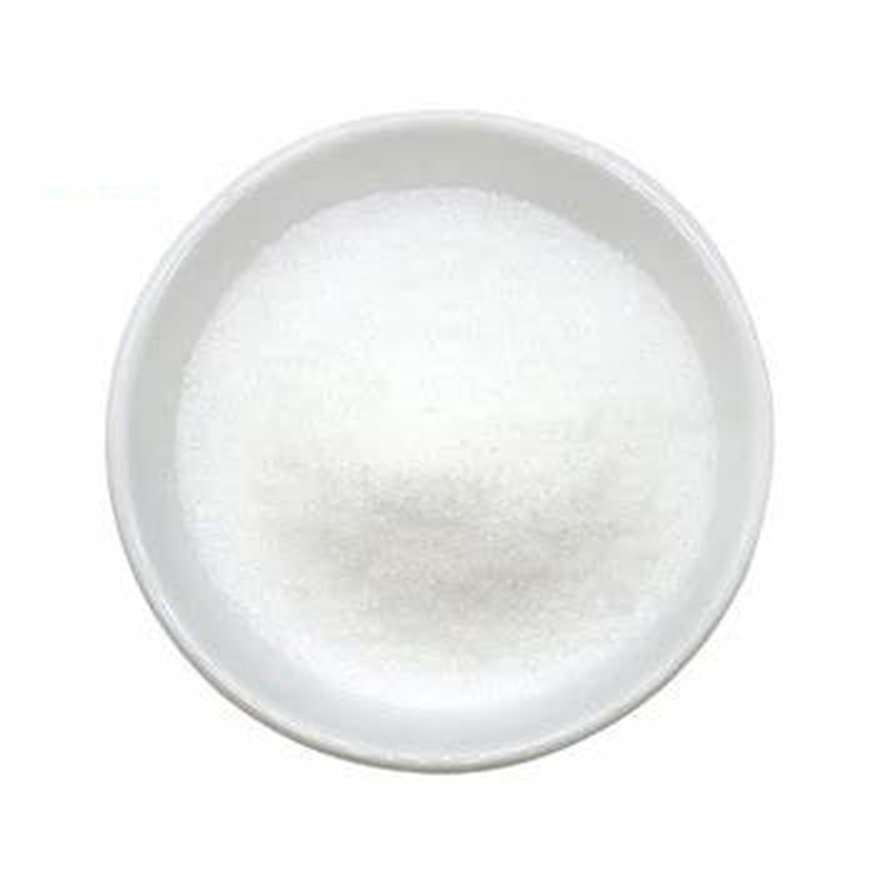
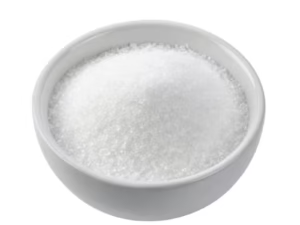
Form: White to off-white crystalline powder.
-
Particle size: Typically micronized to a controlled distribution suitable for dry blending and liquid dissolution; particle size distribution available on request.
-
Bulk density: Specified range (typical 0.4–0.7 g/mL) depending on batch and packing; certificate of analysis (CoA) provided per lot.
-
Solubility: Soluble in solvents used for formulation (specific solubility data and dissolution profile provided in technical datasheet).
-
Stability: High thermal and pH stability in typical food processing conditions; detailed stability profile available.
-
Hygroscopicity: Low to moderate; recommended handling precautions and desiccant use outlined in storage instructions.
-
Packaging options: Multi-layer kraft paper bags with inner PE lining (25 kg), FIBC/Big Bags (500–1,000 kg), and bulk ISO tank or palletized IBC options for trade-compatible formats. Custom packaging available subject to MOQ and lead time.
-
Shelf life: Standard minimum 24 months when stored unopened in recommended conditions (cool, dry, <25°C); CoA and retest intervals supplied.
-
Core Industrial Applications
-
Food manufacturing: Use as a high-intensity sweetener in tabletop sweeteners, bakery fillings, dairy desserts, ice cream, and confectionery; reduces caloric load while preserving sweetness profile.
-
Beverage industry: Formulation of low-calorie and zero-calorie soft drinks, ready-to-drink teas, and powdered drink mixes where minimal dose ensures no adverse mouthfeel or aftertaste.
-
Nutraceuticals & dietary products: Sweetening of protein powders, meal-replacement shakes, and diabetic-friendly formulations where reducing sugar and carbohydrate count is critical.
-
Pharmaceutical & oral-care: Masking bitterness in syrups, chewables, and lozenges; suitable where low-dose, high-potency sweetening is required.
-
Ingredient manufacturing: Use in premixes and dry blends to reduce bulk sweetener shipping volumes and storage footprint.
Why it outperforms alternatives: -
Potency: Extremely high sweetening power versus sucrose, sucralose, and aspartame, producing cost-per-sweetness advantages at industrial scale.
-
Taste profile: Engineered for minimal off-notes and superior sugar-like sweetness at practical use levels.
-
Thermal and pH resilience: Better stability under processing conditions (e.g., pasteurization, baking) than many high-intensity sweeteners, reducing reformulation risk.
-
Reduced downstream impacts: Low inclusion rates decrease effects on viscosity, freezing point, and Maillard chemistry versus bulk sweeteners.
-
Competitive Advantages
-
Quality consistency: Manufactured under cGMP with batch CoA, traceability, and quality control protocols suited for global regulatory submissions.
-
Supply reliability: Secured multi-supplier manufacturing network and inventory management to support continuous supply for enterprise contracts.
-
Logistics capability: Flexible packaging (bags, FIBC, palletized), bulk loading options, and export-ready documentation (MSDS, CoA, phytosanitary and country-specific compliance docs as required).
-
Price competitiveness: Low use-rate economics deliver strong cost-in-use benefits compared with bulk sweeteners, and pricing tiers available for committed volumes.
-
Sustainability: Lower logistical carbon footprint per sweetness unit due to reduced mass transported; manufacturer sustainability certifications available upon request.
-
Technical support: Full technical dossier, formulation guides, recommended usage levels, stability data, sensory trial support, and regulatory guidance for regional approvals (EU, US, Codex-relevant documentation where applicable).
-
Commercial & Supply Information
-
Minimum order quantity (MOQ): BULK 20 MT.
-
Loading capacity (MT per container): Typical 20-foot container capacity of palletized bags/FIBC up to ~20 MT; 40-foot container capacity up to ~24–25 MT depending on packaging configuration. Bulk/ISO shipments may vary; confirm per order.
-
Lead times: Standard lead time provided on quotation; expedited production options available subject to surcharge and scheduling.
-
Documentation: Lot-specific CoA, MSDS, technical datasheet, and regulatory compliance documentation supplied with each shipment.
-
Ordering & logistics: FOB, CIF, DDP pricing options; logistics coordination and customs support available for major trade lanes.
Reviews
There are no reviews yet.