
Description
1. Product Overview
Isomalt (E953) is a premium sugar alcohol (polyol) sweetener derived from sucrose through enzymatic isomerization, functioning as a low-calorie sugar substitute with 45–65% sweetness of sucrose. Its primary industrial use spans sugar-free confectionery, baking, dairy, and pharmaceutical applications as both a sweetener and bulking agent. The key value proposition lies in its low glycemic index (2–9), non-cariogenic properties, heat stability, and minimal moisture absorption, making it ideal for diabetic-friendly and sugar-free products. Strategically, Isomalt is critical in the global shift toward reduced-sugar formulations, meeting rising consumer demand for healthier alternatives while maintaining product quality and shelf stability.
2. Key Specifications & Technical Characteristics
-
Chemical composition: Equimolar mixture of 1-O-α-D-glucopyranosy-D-mannitol-dihydrate and 6-O-α-D-glucopyranosyl-D-sorbitol; Formula: C₁₂H₂₄O₁₁; CAS #: 64519-82-0
-
Purity level/grade: Food-grade E953, GRAS-approved in the United States, EU-approved for wide food applications
-
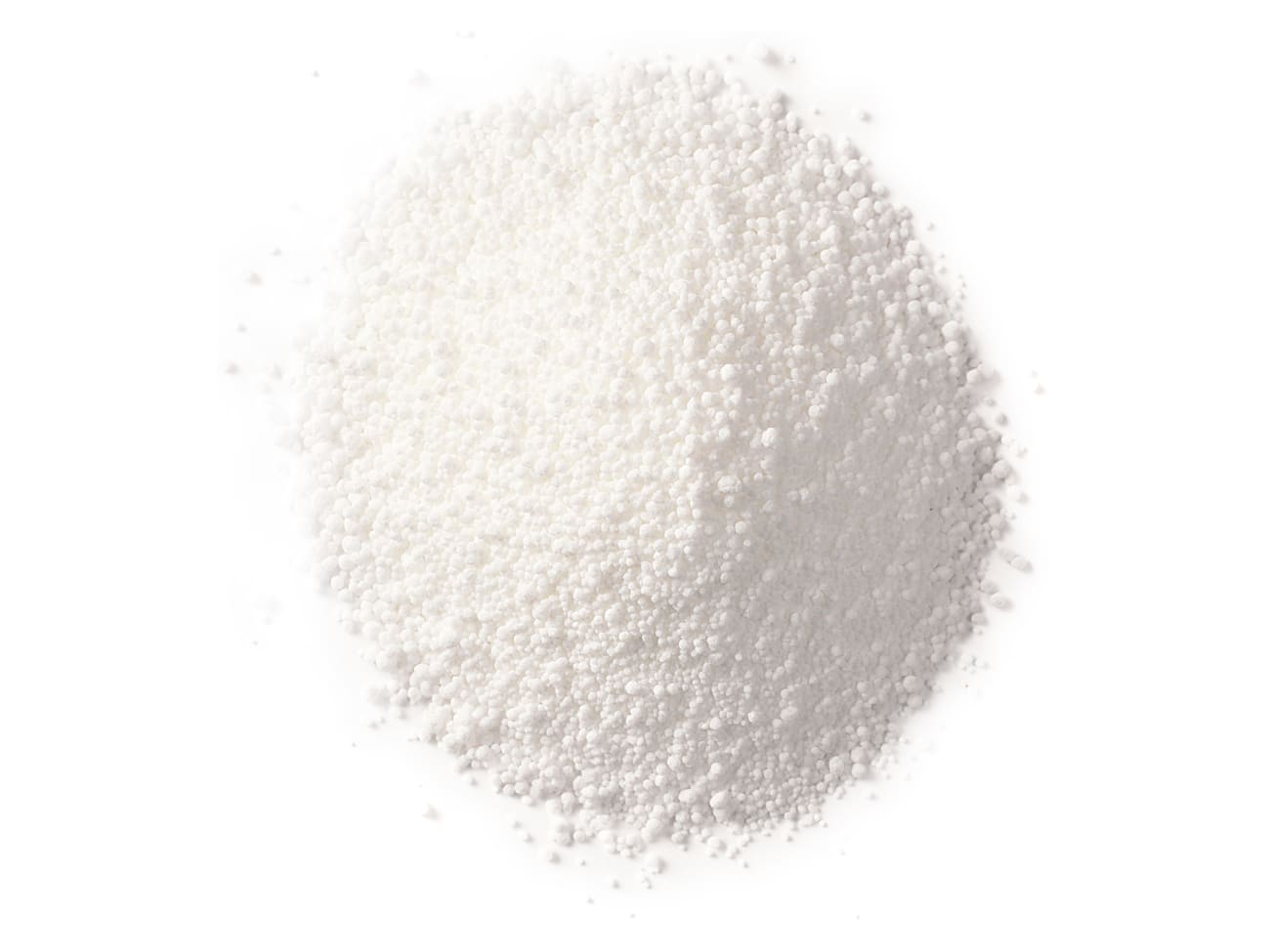
Physical characteristics: White or almost white powder/crystalline substance; sugar-like taste; 50–60% sucrose sweetness; ~2 kcal/g (half of sugar)
-
Particle size/density: Crystalline form available in granular or powder; low moisture absorption; recrystallization capability
-
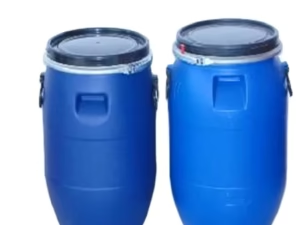
Packaging options: Industrial bulk packaging (25kg bags, 500kg big bags, 1MT jumbo bags)
-
Shelf life: Stable property with slow hydrolysis rate; suitable for long-term storage in dry conditions
3. Core Industrial Applications
-
Primary industries: Confectionery, bakery, dairy, beverages, ice cream, pharmaceuticals, and chewing gum manufacturing
-
Specific operational use cases:
-
Sugar-free hard candies, soft candies, chocolates, and mints
-
Baking products requiring heat-stable sweeteners
-
Diabetic-friendly foods and low-GI products
-
Chewing gum and tablets as bulking agent
-
Sugar-free dairy products, jelly, and refreshing drinks
-
-
Performance advantages over alternatives: Heat-stable for baking/heat treatment; does not cause dental caries; slower hydrolysis than sucrose; pure sweet taste without aftertaste
-
Efficiency/durability/cost advantages: Low calorie (~2 kcal/g vs. 4 kcal/g sugar); low moisture absorption extends product shelf life; enables clean-label sugar-free formulations
4. Competitive Advantages
-
Quality consistency: Premium food-grade E953 with verified purity, consistent crystalline structure, and reproducible sweetness profile
-
Supply reliability: Global sourcing from certified manufacturers with established production capacity for bulk industrial orders
-
Logistics capability: Optimized bulk packaging (25kg–1MT) for efficient container loading; established international shipping channels
-
Price competitiveness: Factory-direct pricing with cost advantage over specialty sugar substitutes; competitive at ~$380/kg wholesale (India market benchmark)
-
Sustainability/environmental benefits: Natural origin (from beet sucrose); lower environmental footprint than synthetic sweeteners; supports clean-label and “sugar-free” marketing claims
-
Technical support/documentation: Full MSDS available; comprehensive regulatory documentation (E953, GRAS, EINECS 208-605-3); application support for formulation
5. Commercial & Supply Information
-
Minimum order quantity (MOQ): BULK 20MT [user prompt]
-
Loading capacity: Approximately 20–24 MT per 20-foot container (depending on packaging configuration); 25MT+ per 40-foot container [derived from industry standard bulk packaging]
Reviews
There are no reviews yet.