
Description
-
Product Overview
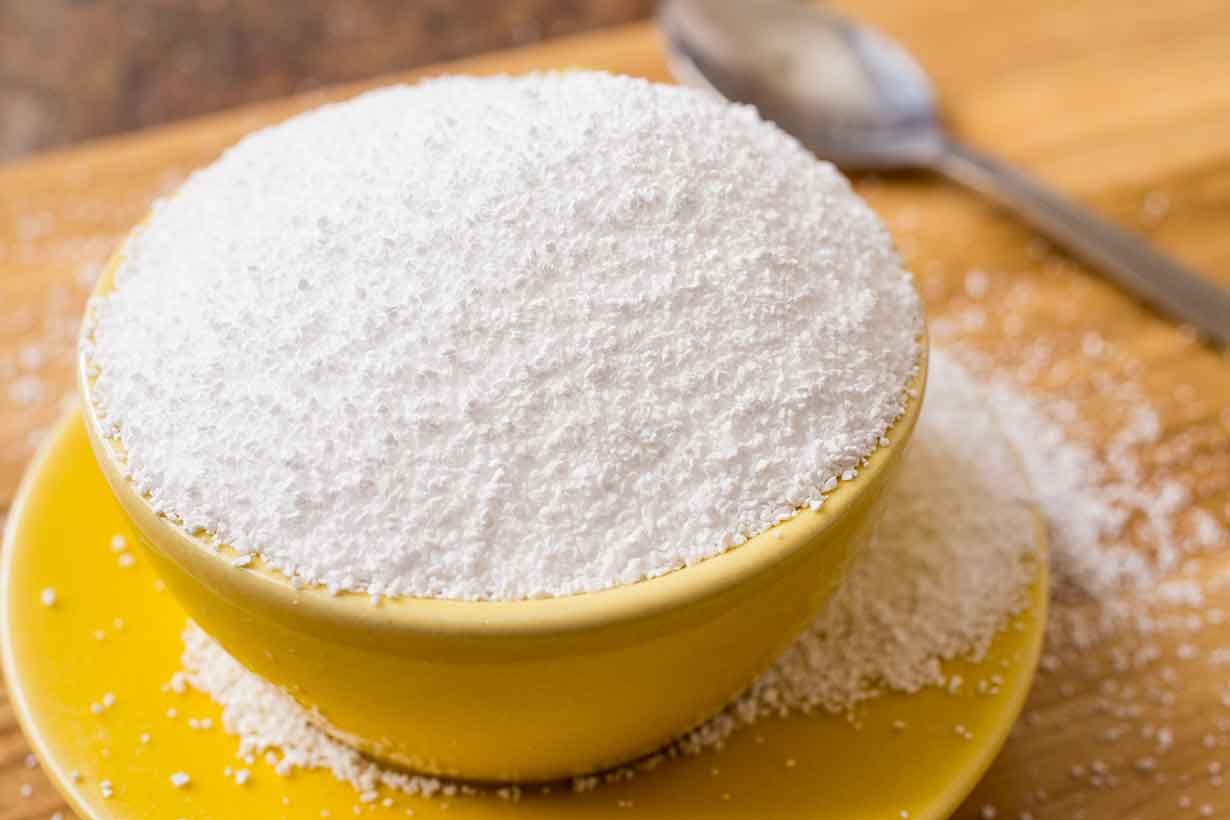
Sorbitol (E420) is a versatile, high-purity polyol used across multiple industrial value chains as a humectant, stabilizer, sweetening agent, and feedstock for chemical synthesis. In industrial settings it functions as a moisture-retaining additive, viscosity modifier, and intermediate for hydrogenation and polymer chemistry. The product delivers consistent physicochemical properties that improve process yield, product stability, and formulation robustness. Strategically, Sorbitol (E420) is a critical raw material for food ingredient manufacturers, personal-care formulators, pharmaceutical producers, and chemical converters seeking reliable performance and supply continuity.
-
Key Specifications & Technical Characteristics
-
Chemical composition: D-glucitol (sorbitol), CAS 50-70-4.
-
Functional designation: E420 (food additive) and industrial-grade polyol.
-
Purity/grade: Industrial/food-coating grade available; typical purity ≥ 98.0% (specify grade at purchase).
-
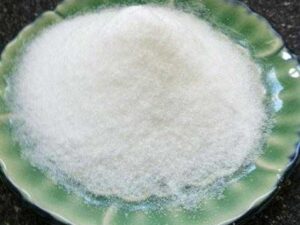
Form: White to off-white crystalline powder or granules; also available as syrup (specified on order).
-
Physical characteristics: Odorless; hygroscopic; melting point ~95–100°C (crystalline); bulk density typically 0.6–0.8 g/cm³ for granules (supplier-specific).
-
Solubility: Freely soluble in water; insoluble in non-polar solvents.
-
Particle size: Standard industrial granule range (e.g., 100–500 μm) — custom milling available on request.
-
Moisture content: Typically ≤ 2.0% (depending on grade); tighter moisture specs available by contract.
-
Residual solvents/impurities: Conforms to industrial impurity limits; food-grade batches meet applicable food safety contaminant thresholds.
-
Packaging options: 25 kg multi-wall paper bags with PE liner, 500 kg/1,000 kg FIBCs (bulk bags), and ISO tank or food-grade IBC for syrups.
-
Shelf life: 12–24 months when stored in cool, dry conditions in original sealed packaging; hygroscopic nature requires humidity-controlled storage.
-
Storage conditions: Store in sealed, moisture-proof containers away from heat and direct sunlight; recommended storage 15–25°C, RH <60%.
-
Core Industrial Applications
-
Food & Beverage: Used as a humectant, sweetener, and texture modifier in confectionery, baked goods, and reduced-calorie formulations; improves shelf life and prevents crystallization compared with sucrose alternatives.
-
Pharmaceuticals: Excipient for syrups, lozenges, tablets, and as a stabilizer for active ingredients; offers low reactivity and predictable moisture-binding for controlled release and stability.
-
Personal Care & Cosmetics: Humectant and viscosity modifier in creams, lotions, oral care, and haircare formulations; delivers skin compatibility and formulation stability superior to lower-grade polyols.
-
Chemical Industry: Intermediate for hydrogenation, sorbitan esters, and surfactant production; feedstock for polymer synthesis and biodegradable polyols offering cost-effective conversion and consistent downstream yields.
-
Animal Feed & Nutraceuticals: Energy source and binder in feed pellets and nutritional supplements where controlled hygroscopicity and palatability are required.
Why it outperforms alternatives: Sorbitol provides a balance of low reactivity, high moisture retention, thermal stability, and cost-per-function that often yields higher process yields, reduced waste, and improved end-product stability versus cheaper, less-stable humectants or reactive sugar alcohols.
-
Competitive Advantages
-
Quality consistency: Tight, batch-to-batch analytical controls for purity, moisture, and particle distribution ensure repeatable process performance.
-
Supply reliability: Scalable manufacturing and multi-regional supply points reduce lead-time volatility and mitigate single-source risk.
-
Logistics capability: Flexible packaging (bags, FIBCs, ISO tanks) and containerized loading options support both break-bulk and bulk supply chains with scheduled weekly shipments.
-
Price competitiveness: Cost-effective per-function economics due to high purity and high-yield conversion in downstream processes; price tiers available for multi-year contracts.
-
Sustainability: Can be sourced from renewable carbohydrates with processes optimized for energy efficiency; biodegradable and non-toxic profile reduces downstream environmental burden.
-
Technical support: Full documentation package available (COA, SDS, HACCP/food-safety documentation on request), formulation guidance, and on-call technical consultancy for scale-up and QC parameter-setting.
-
Commercial & Supply Information
-
Minimum order quantity (MOQ): BULK 20 MT.
-
Loading capacity (MT per container):
-
20-foot container (FCL): typically up to 20 MT in 25 kg bags (depending on palletization and packaging) or ~18–21 MT in FIBCs.
-
40-foot container (FCL): typically up to 24–26 MT in 25 kg bags (palletized) or ~26–28 MT in FIBCs.
-
ISO tank/IBC: dependent on density and logistics; contact sales for exact loading plans.
-
Reviews
There are no reviews yet.