
Description
-
Product Overview
Guar Gum (E412) is a high-performance, non-ionic polysaccharide derived from the endosperm of Cyamopsis tetragonoloba. It functions as a superior thickener, rheology modifier, stabilizer, and binder across a wide range of industrial formulations. Delivering robust viscosity control, excellent hydration at low concentrations, and high shear stability, this grade optimizes processing efficiency and final-product performance. Strategically, Guar Gum (E412) is central to cost-effective formulation by enabling lower solids usage, improved product stability, and predictable scale-up for global manufacturers. -
Key Specifications & Technical Characteristics
-
Chemical composition: Galactomannan polysaccharide (mannose:galactose ratio ~2:1).
-
Functional classification: Non-ionic hydrocolloid; food additive designation E412 (where applicable).
-
Typical viscosity (2% w/w aqueous, 25°C, Brookfield RVT): 400–1,200 mPa·s (adjustable by grade).
-
Purity / grade: Industrial food-grade / technical grade available; typical dry matter ≥ 85–90%.
-
Moisture content: ≤ 12% (typical).
-
Ash content: ≤ 3–5% (typical).
-
pH (1% aqueous): 5.5–8.0.
-
Solubility & hydration: Rapid cold-water hydration with minimal lumping when properly dispersed; fully swollen within minutes.
-
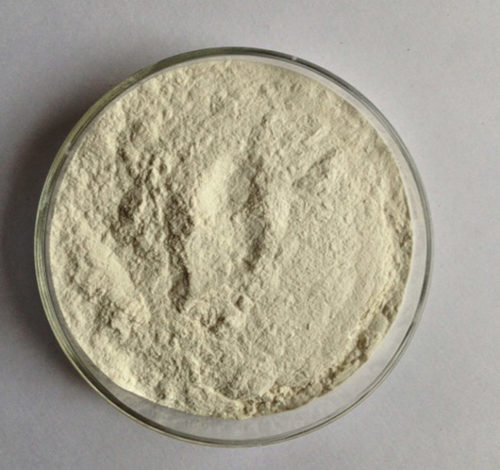
Physical form: Powder.
-
Color/appearance: Off-white to cream free-flowing powder.
-
Particle size: Typical D50 150–250 µm (custom milling available).
-
Bulk density: 350–550 kg/m³ (varies with grade and milling).
-
Microbiological limits: Meets industrial/food-grade microbial specifications on request (e.g., total plate count and absence of specified pathogens).
-
Packaging options: 25 kg multi-ply kraft bags, 500 kg FIBCs, 20 kg poly-lined bags, or customer-specified industrial bulk packaging.
-
Shelf life: 24 months when stored sealed in a cool, dry environment away from direct sunlight and moisture.
-
Core Industrial Applications
-
Oilfield & Drilling Fluids: Viscosity and suspension control in water-based drilling muds, fluid loss reduction, and carrier for additives. Offers cost-effective rheology at lower dosages compared with many synthetic polymers.
-
Petroleum & Enhanced Oil Recovery (EOR): Mobility control and conformance improvement in polymer flooding; thermal stability in moderate-temperature reservoirs.
-
Food & Beverage Manufacturing: Thickening, stabilizing, and emulsification support in sauces, dairy analogues, dressings, and gluten-free formulations (subject to regulatory compliance).
-
Pharmaceuticals & Personal Care: Binding and viscosity management in topical creams, gels, and oral suspensions; enhances texture and stability.
-
Paper & Textile Industry: Retention aid and coating rheology modifier; improves film formation and surface properties.
-
Mining & Mineral Processing: Flocculation aid and slurry viscosity control to improve dewatering and transport.
Why it outperforms alternatives: -
High efficiency: Strong thickening power at low inclusion rates reduces raw-material cost per functional unit.
-
Compatibility: Broad pH stability and non-ionic behavior allow blending with electrolytes, surfactants, and other polymers.
-
Tunability: Particle size and viscosity-grade options enable formulation-specific performance without resorting to synthetic substitutes.
-
Competitive Advantages
-
Quality consistency: Batch-controlled production with certificate of analysis (CoA) provided for each shipment.
-
Supply reliability: Established sourcing channels and scale manufacturing to support regular B2B replenishment and large projects.
-
Logistics capability: Flexible packaging sizes and container-loading optimization for sea, rail, or road freight to industrial hubs.
-
Price competitiveness: Commodity-scale procurement and optimized processing enable competitive unit pricing and volume discounts.
-
Sustainability: Plant-derived, biodegradable polysaccharide with lower life-cycle impact versus many petrochemical thickeners; traceable raw-material sourcing upon request.
-
Technical support: Application guidance, rheology testing, and formulation troubleshooting available from experienced technical teams; technical data sheets and safety data sheets supplied.
-
Commercial & Supply Information
-
Minimum order quantity (MOQ): BULK 20MT
-
Loading capacity (MT per container): Typical LOADING: 20 MT per 20-foot container (FIBC bulk); up to 26 MT per 20-foot container when professionally loaded in 25 kg bags depending on packing configuration and transporter limits.
Reviews
There are no reviews yet.