
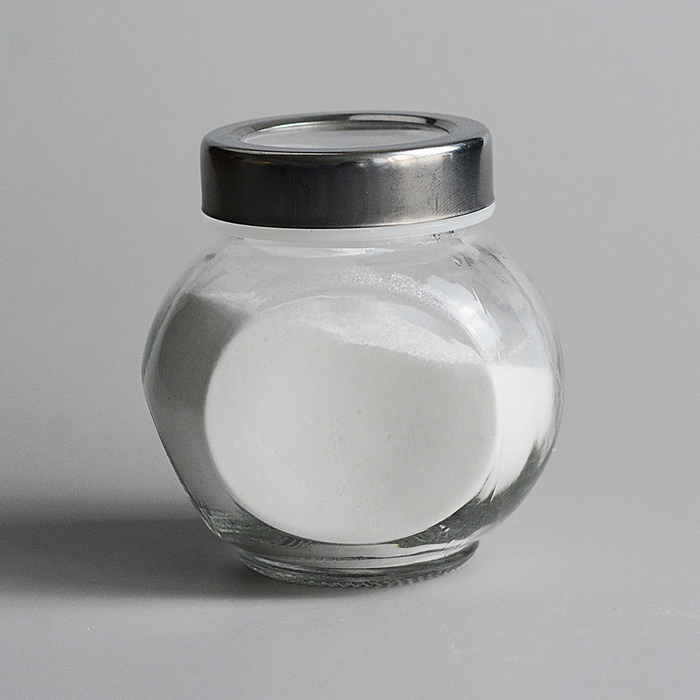
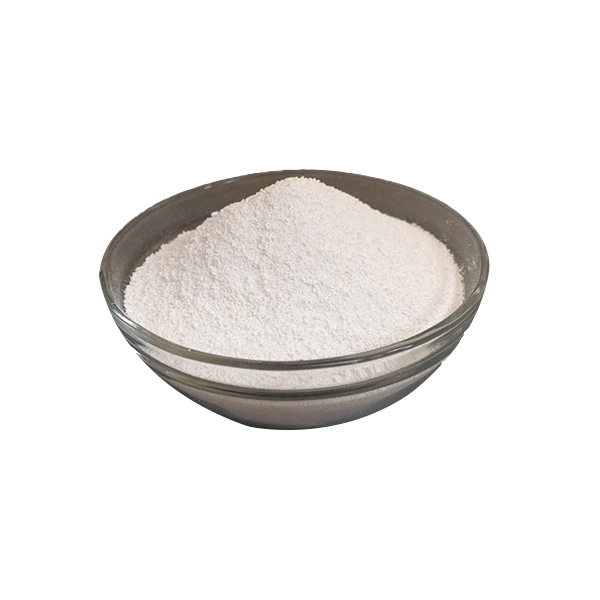
Description
-
Product Overview
Aspartame (E951) is a high-intensity dipeptide-based artificial sweetener widely used as a low-calorie sugar substitute in food, beverage, pharmaceutical, and nutraceutical manufacturing. Its primary industrial use is to deliver sugar-like sweetness at extremely low inclusion rates, enabling calorie reduction, taste formulation, and cost-efficient sweetness replacement in formulated products. Key value propositions include high sweetness potency (approximately 200× sucrose), predictable formulation behavior, and regulatory acceptance across major markets when used within recommended limits. Strategically, Aspartame enables customer-facing product differentiation (reduced-calorie and sugar-free claims) while lowering formulation weight and ingredient cost per sweetness unit—critical for consumer-packaged-goods manufacturers, contract manufacturers, and suppliers focusing on health and regulatory trends. -
Key Specifications & Technical Characteristics
-
Chemical name: L‑α‑aspartyl‑L‑phenylalanine methyl ester (Aspartame); CAS: 22839-47-0
-
Synonym/Code: Aspartame, E951
-
Chemical formula: C14H18N2O5
-
Purity/grade: Food-grade / Industrial food additive standard; typical assay ≥ 98.0–99.5% (batch certificate provided)
-
Identity & compliance: Conforms to FCC/JP/EP/USP specifications where applicable; compliant with Codex Alimentarius limits and E-number regulations in applicable jurisdictions (supplier documentation supplied)
-
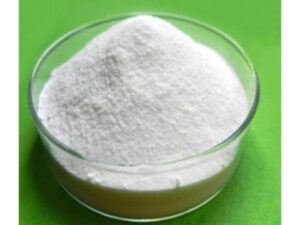
Physical form: White to off-white crystalline powder or granules
-
Particle size: Typical D50 in range 50–250 µm (custom milling available on request)
-
Bulk density: Typical 500–650 kg/m3 (packed)
-
Moisture content: ≤ 2.0% (typical; specification to be agreed in contract)
-
Solubility: Readily soluble in water; hydrolytically sensitive at elevated temperature and pH extremes (formulation guidance available)
-
Stability/shelf life: Standard shelf life 24 months when stored in original sealed packaging at controlled conditions (cool, dry, <25°C, <60% RH); shorter shelf life for premixed or reworked blends may apply
-
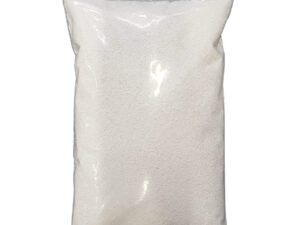
Packaging options: 25 kg multi-wall paper sacks with PE liner; 500 kg and 1000 kg FIBCs (bulk bags); palletized and shrink-wrapped; ISO tank/truck for liquid blends not applicable (solid product)
-
Documentation: Certificate of Analysis (CoA), Safety Data Sheet (SDS), allergen declaration, GMP statement, and regulatory dossiers available on request
-
Core Industrial Applications
-
Food & Beverage: Sweetening agent for soft drinks, powdered beverage mixes, tabletop sweeteners, confectionery, dairy desserts, and baked goods (where thermal exposure is controlled). Enables calorie-reduction claims and reformulation for sugar-reduced product lines.
-
Pharmaceutical & Nutraceutical: Taste-masking in chewable tablets, syrups, lozenges, and sachets, improving patient compliance for low-dosage APIs.
-
Contract Manufacturing & Private Label: Allows brand owners and co-packers to deliver consistent low-calorie products at scale with predictable cost-per-sweetness metrics.
-
Specific operational use cases: Inclusion at low ppm levels for beverages; spray-drying integration for powdered mixes; dry blending with bulking agents (e.g., maltodextrin, erythritol) for tabletop or sachet formats.
-
Performance vs alternatives: Compared with high-potency alternatives (e.g., sucralose, stevia), Aspartame offers a cleaner sugar-like temporal profile and lower aftertaste at equivalent sweetness in many formulations. Compared to bulk sweeteners (sucrose, HFCS), Aspartame delivers large reductions in caloric load and logistics/packaging cost per sweetness unit due to very low inclusion rates.
-
Competitive Advantages
-
Quality consistency: Tight batch-to-batch assay control, full CoA traceability, and adherence to recognized pharmacopeial/food standards.
-
Supply reliability: Long-term inventory management, forecast-driven production scheduling, and priority allocation for contracted partners to minimize stockouts.
-
Logistics capability: Export-ready packaging, experience with cold-chain-avoidance handling, consolidated container loading, and customs documentation support for global shipping.
-
Price competitiveness: Low cost-per-sweetness-unit reduces ingredient spend versus bulk sweeteners; flexible pricing and volume discounts for contracted volumes.
-
Sustainability: Efficient supply chain footprint per sweetness delivered (lower raw-material mass transported vs bulk sugar), supplier sustainability statements available; options for supplier audits.
-
Technical support: Application guidance (stability, pH/temperature limitations), formulation trials, CoA/SDS access, and regulatory support documentation to assist market registration and labeling.
-
Commercial & Supply Information
-
Minimum order quantity (MOQ): BULK 20 MT
-
Loading capacity (MT per container): Typical 20 ft container capacity up to 20 MT (packaged in 25 kg sacks or FIBCs depending on packing configuration); 40 ft container capacity up to 24–25 MT subject to palletization and weight limits.
-
Lead times: Standard lead time 4–8 weeks from order confirmation depending on quantity and destination (expedited options subject to confirmation).
-
Incoterms & payment: Standard commercial terms available on request; export documentation and third-party inspection options available.
Reviews
There are no reviews yet.