
Description
-
Product Overview
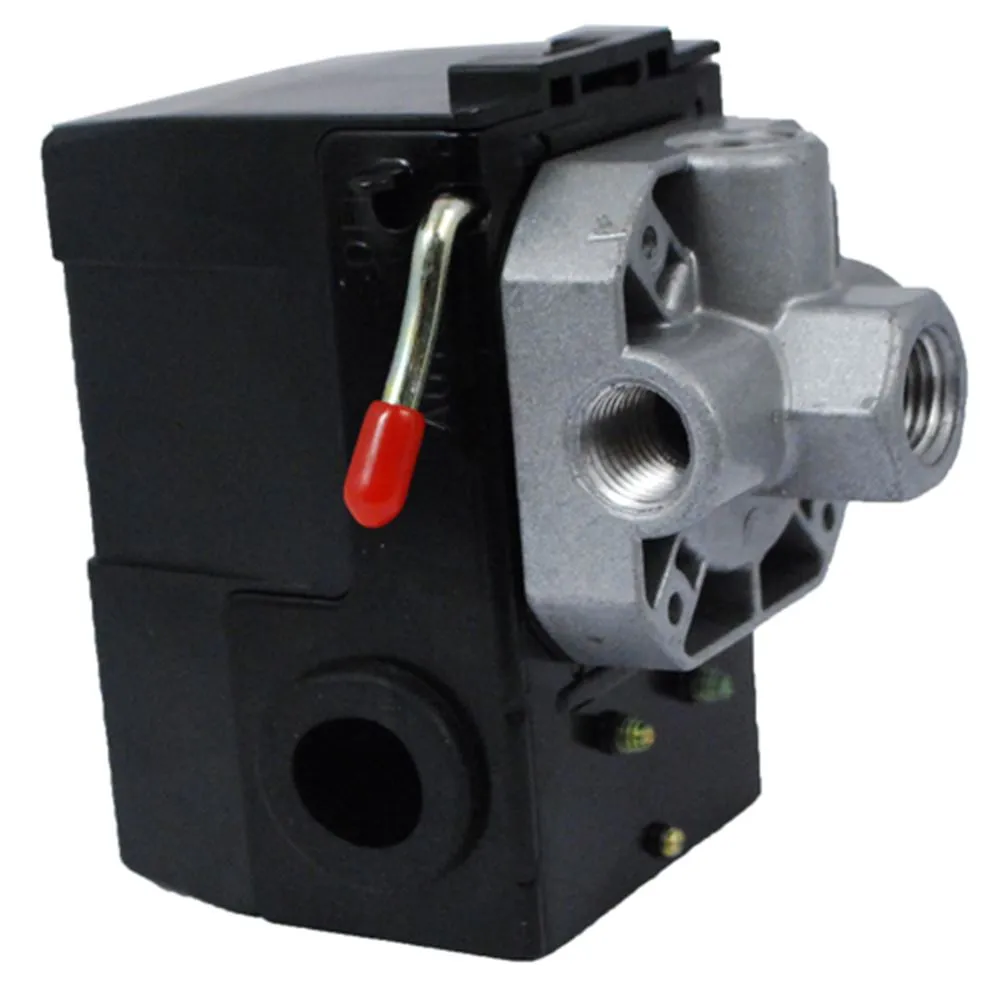
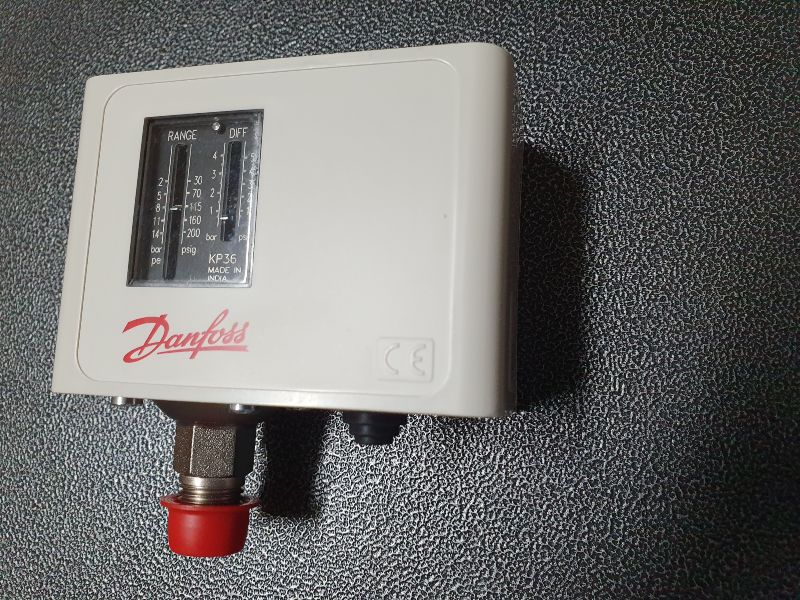
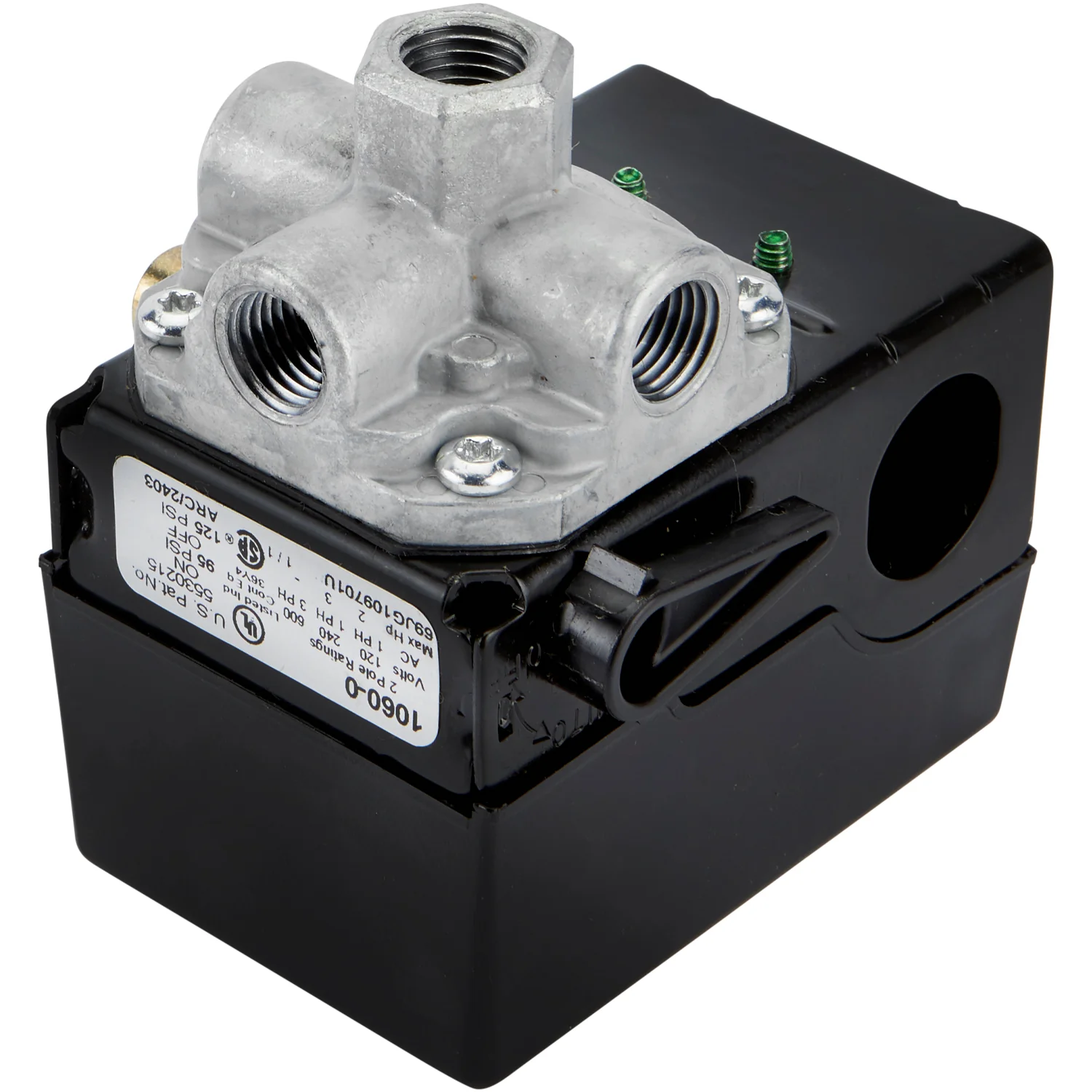
The Compressed Air Pressure Switch is an industrial-grade electromechanical control device designed to monitor and regulate pressure in compressed air systems. It provides precise on/off control for compressors, dryers, filters, and pneumatic equipment by actuating electrical circuits at preset pressure setpoints. The primary value proposition is reliable, repeatable pressure control that minimizes downtime, protects downstream equipment, and optimizes energy use across large-scale pneumatic installations. Strategically, it is a critical component in industrial automation and compressed-air reliability programs, delivering measurable uptime and energy-efficiency gains for manufacturing, petrochemical, utilities, and heavy industries.
-
Key Specifications & Technical Characteristics
-
Materials and construction: corrosion-resistant brass or stainless-steel pressure chamber, robust die-cast aluminum or plated steel housing, neoprene/NBR or Viton seals, phosphor-bronze or stainless-steel switch contacts.
-
Pressure range: commonly available from 0–10 bar (0–145 psi) to 0–40 bar (0–580 psi); custom ranges available on request.
-
Setpoint adjustability: field-adjustable via calibrated screw or dial; typical hysteresis (differential) adjustable from 0.1 to 2.0 bar depending on model.
-
Accuracy and repeatability: ±1–2% of full scale repeatability under standard conditions.
-
Electrical ratings: SPDT or DPDT contacts; rated up to 10 A at 250 VAC (resistive), options for higher current or low-voltage DC switching available.
-
Environmental ratings: IP54 standard; IP65/IP66 options for washdown or harsh environments.
-
Operating temperature: -20 °C to +85 °C (model-dependent; low/high temperature variants available).
-
Mechanical life: >1,000,000 cycles typical for industrial-grade models.
-
Mounting and connections: 1/4″–1/2″ BSP/NPT process connection options; panel, DIN-rail, or direct pipe-mount installations supported.
-
Packaging options: bulk wooden crates, palletized boxes with corrosion inhibitor, export-grade cartons; custom kitting and labeling for OEMs.
-
Shelf life and storage: passive device with indefinite shelf life if stored dry; recommend indoor storage at 0–40 °C and <75% RH to preserve seals and calibration.
-
Compliance and standards: CE marking, RoHS compliant; optional ATEX/IECEx certified variants for explosive atmospheres.
-
Core Industrial Applications
-
Primary industries: manufacturing (automotive, food & beverage, electronics), oil & gas, petrochemical, power generation, utilities, pharmaceuticals, HVAC, water treatment, and large-scale compressed-air system integrators.
-
Operational use cases:
-
Compressor control and sequencing to maintain system pressure bands and reduce short-cycling.
-
Safety interlocks and alarms for overpressure protection on air receivers and vessels.
-
Control input for dryers and filters to activate/regulate based on system pressure.
-
Integration in pneumatic tool networks, press lines, and robotic systems to ensure consistent actuation pressure.
-
-
Performance advantages over alternatives:
-
Faster response and higher repeatability than generic pressure controllers, reducing pressure swings and product defects.
-
Rugged materials and ingress protection deliver longer service life than non-industrial consumer-grade switches.
-
Field-adjustable setpoints and differential control reduce need for costly control-system modifications.
-
Lower total cost of ownership via decreased equipment wear, fewer shutdowns, and simpler maintenance compared with electronic-only solutions in certain installations.
-
-
Competitive Advantages
-
Quality consistency: factory-calibrated setpoints and batch testing ensure unit-to-unit performance uniformity for large orders and OEM integration.
-
Supply reliability: scalable production with committed lead times, safety stock for key components, and scheduled replenishment to support continuous operations.
-
Logistics capability: global shipping experience, export packaging, and containerized loading plans; local distribution partnerships for regional stocking.
-
Price competitiveness: volume-tiered pricing and long-term contract discounts available for 20 MT+ bulk procurements and repeat buyers.
-
Sustainability: durable construction reduces replacement frequency; recyclable metal housings and reduced packaging waste options on request.
-
Technical support and documentation: full datasheets, wiring diagrams, calibration certificates, installation guides, and OEM customization support; on-request engineering support for system integration and ATEX-certified options.
-
Commercial & Supply Information
-
Minimum order quantity (MOQ): BULK 20 MT
-
Loading capacity (MT per container): approximately 20 MT per 20-foot container (subject to final packaging configuration and unit weight); up to 24 MT per 40-foot container for optimized palletization.
Would you like a downloadable datasheet and packaging layout for container loading optimization or a price quote based on your target destination and annual volumes?
Maintenance Protocols for Cleaning and Sanitizing Elastomeric Masks
Step-by-Step Cleaning Procedure (OSHA Mandatory Standard 1910.134 App B-2)
1. Disassembly
-
Remove filters, cartridges, or canisters
-
Disassemble facepieces by removing speaking diaphragms, valve assemblies, hoses, or any components recommended by the manufacturer
-
Discard or repair any defective parts before cleaning
2. Washing
-
Wash components in warm water (maximum 43°C/110°F) with mild detergent or manufacturer-recommended cleaner
-
Use a stiff bristle brush (not wire) to facilitate dirt removal
-
Avoid alcohol and organic solvents—they damage rubber, plastics, and lens coatings
3. Rinsing
-
Rinse thoroughly in clean, warm (≤43°C/110°F), preferably running water
-
Drain completely
-
Critical: Thorough rinsing prevents dermatitis from detergent/disinfectant residue and prevents rubber deterioration/corrosion
4. Disinfection (when cleaner lacks disinfectant)
Immerse components for 2 minutes in one of:
5. Final Rinse & Drying
-
Rinse thoroughly again in clean, warm (≤43°C/110°F) running water
-
Hand-dry with clean lint-free cloth or air-dry
-
Alternative sanitization: Expose to air at 70°C (160°F) for 30 minutes
6. Reassembly & Testing
-
Reassemble facepiece, replacing filters/cartridges as needed
-
Test respirator to ensure all components function properly
Key Maintenance Best Practices
Following manufacturer-specific instructions (e.g., 3M User Instructions) is acceptable if equally effective as OSHA standards.

Reviews
There are no reviews yet.