
Description
Product Overview
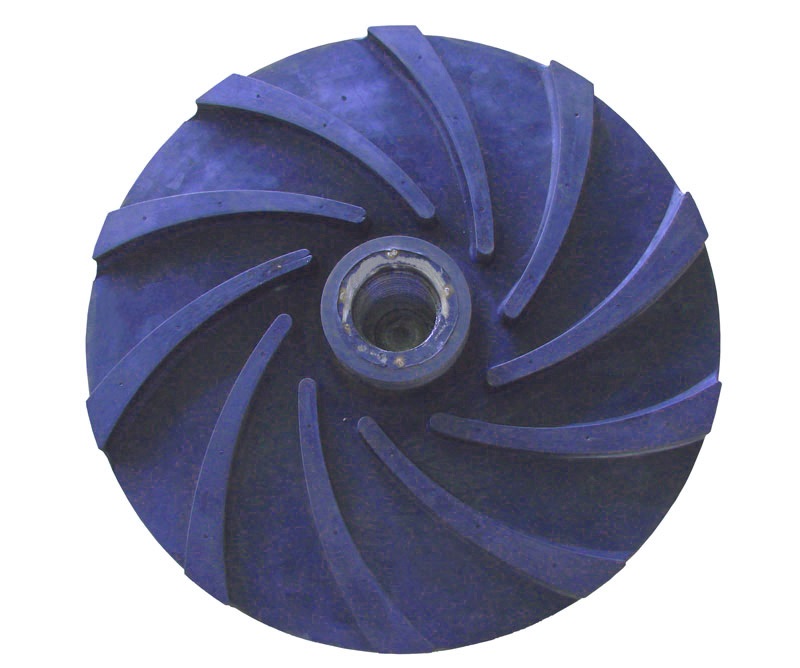
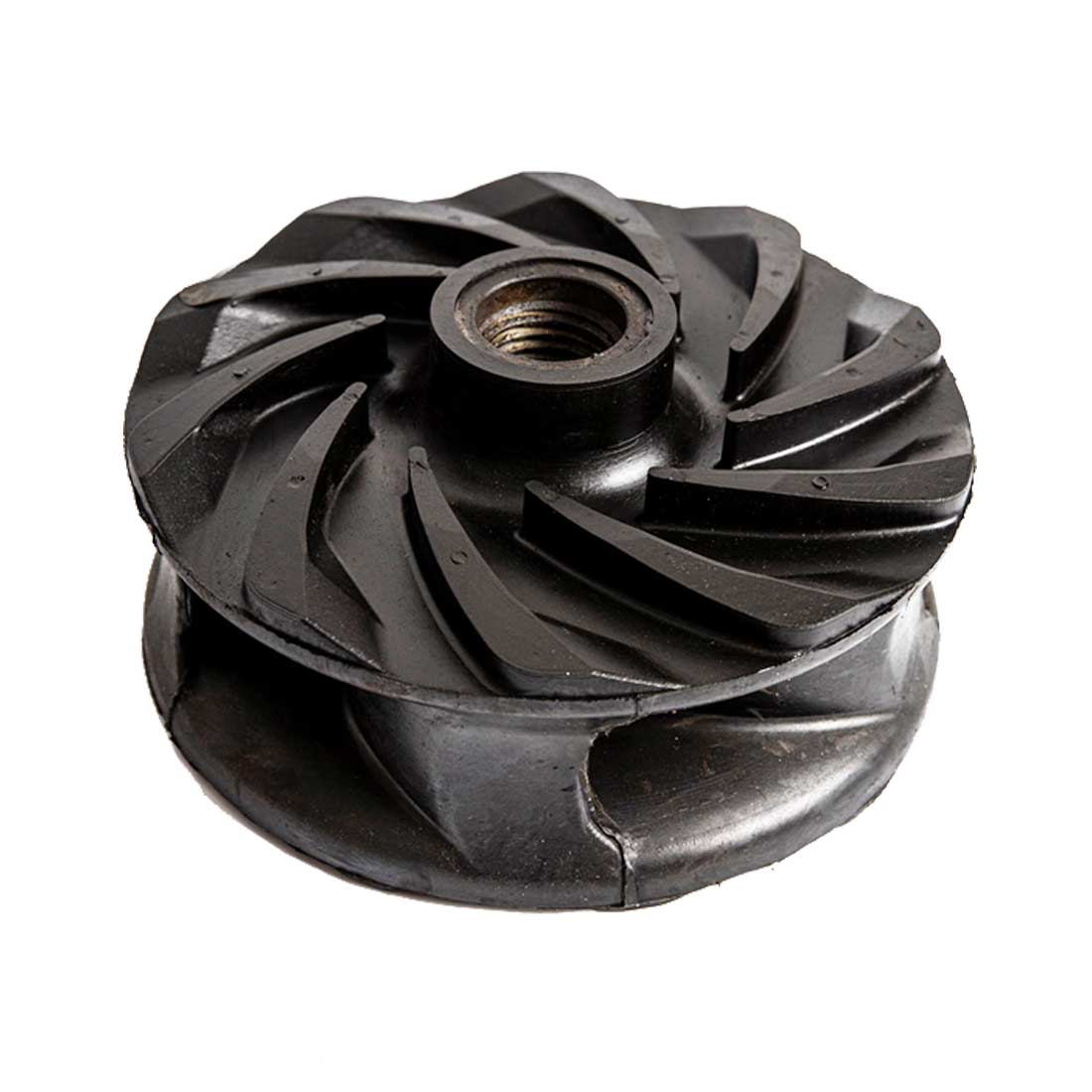
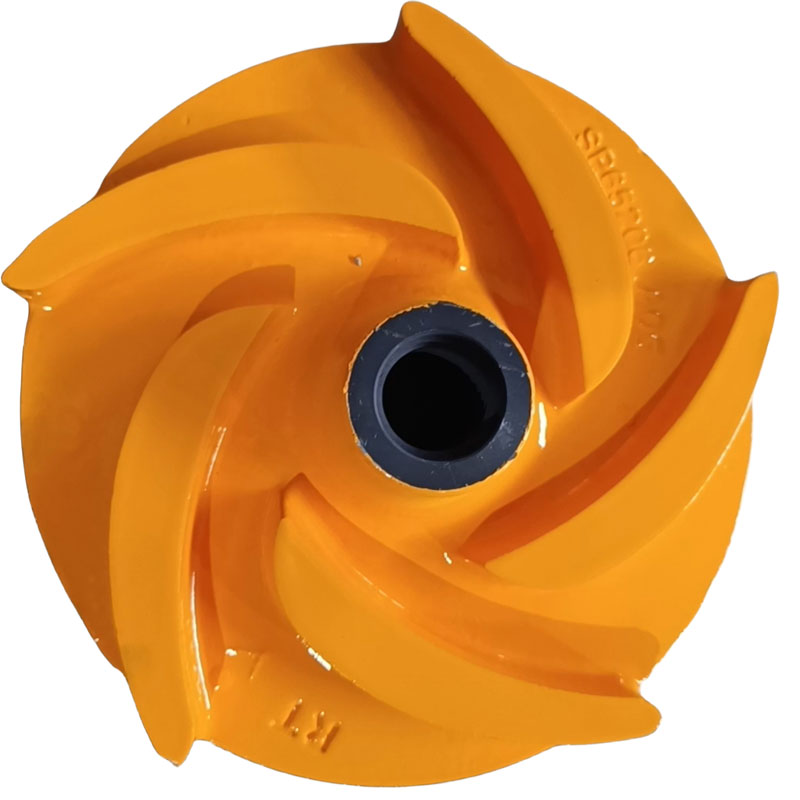
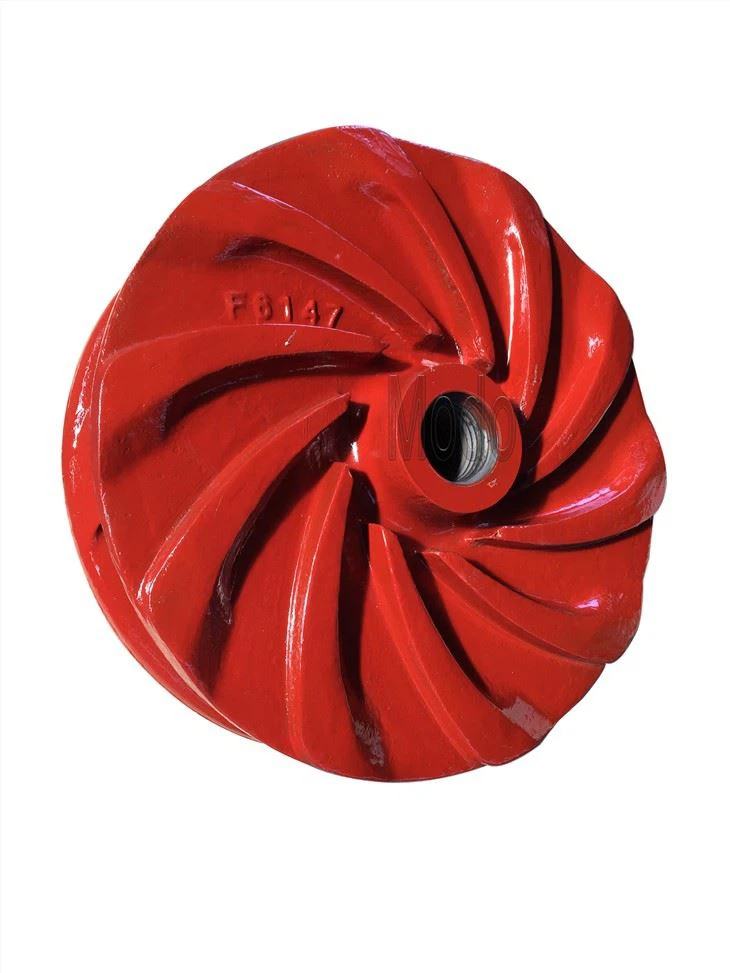
Slurry pump impeller — a heavy-duty rotating component engineered to move abrasive, high-density slurries in industrial pumps. Designed for mining, mineral processing, dredging, and heavy-waste handling, it converts motor torque into directed slurry flow while resisting wear, impact, and erosion. The key value proposition is sustained hydraulic performance and extended service life under abrasive, corrosive, and high-solid-loading conditions, lowering downtime and life-cycle cost. Strategically, selecting a high-quality impeller is a supply-chain leverage point: it directly reduces operating expenditure, increases plant throughput, and supports predictable maintenance planning.
Key Specifications & Technical Characteristics
-
Material options: high-chrome white iron (HCWI, 18–28% Cr), duplex stainless steels (e.g., 2205), Ni-hard alloys, rubber-lined ductile iron, polyurethane overlays; bespoke metallurgy available on request.
-
Hardness (typical by material): HCWI 58–66 HRC; Ni-hard 52–62 HRC; duplex stainless (post-heat) 280–340 HB.
-
Abrasion resistance: ASTM G65-tested wear resistance data available on request; HCWI typically yields superior slurry abrasion resistance vs standard cast irons.
-
Dimensional tolerances: machined to OEM drawing tolerances ±0.25 mm (custom tolerances negotiable).
-
Surface finish: precision-machined hydraulic surfaces (Ra ≤ 0.8 µm typical) to optimize efficiency and reduce turbulence.
-
Balance grade: dynamically balanced to ISO 1940 G6.3 or better for reduced vibration and bearing load.
-
Physical characteristics: typical impeller weight range 10 kg to 1,200 kg (application dependent); corrosion- and impact-resistant geometry (closed, semi-open, open vane options).
-
Compatibility: designed to fit major pump frames (e.g., Warman, KSB, Flowserve) or per customer drawings; adapter kits and shaft sleeves available.
-
Coatings and liners: optional ceramic/tungsten-carbide overlays, rubber linings, or thermal-sprayed coatings for extreme wear or corrosive service.
-
Packaging options: wooden crate with anti-corrosion film and desiccant for export, sea-freight skids, or boxed for container loading; single piece or palletized multi-piece shipments.
-
Identification & traceability: heat-number stamping, material certificates (EN 10204 3.1 or equivalent), mill test reports, and part serialization.
-
Shelf life: indefinite under normal storage; recommended dry, covered storage to prevent surface oxidation on non-stainless alloys.
-
Documentation: dimensional drawings, installation guidelines, performance curves, maintenance and repair manuals provided.
Core Industrial Applications
-
Mining and Mineral Processing: primary and secondary slurry transport in concentrators, cyclones feed, mill discharge and tailings pipelines. Improves uptime via improved wear resistance and hydraulic efficiency, reducing frequency of rebuilds.
-
Dredging and Marine Works: high solids removal, cutter-suction and trailing suction dredge pumps where impact resistance and cavitation tolerance are critical.
-
Aggregates, Cement, and Construction: slurry transfer, sludge handling, and wash-plant circuits requiring robust impellers that tolerate abrasive sand and grit.
-
Metallurgical and Smelting Plants: high-density slurry recirculation, leach and precipitation slurries containing harsh chemical environments; duplex stainless or coated impellers resist corrosion while maintaining wear life.
-
Water & Wastewater Treatment: grit removal and sludge pumping applications where longer wear life lowers maintenance interruptions.
Why better than alternatives: -
Material-engineered options (high-chrome, Ni-hard, duplex) matched to slurry chemistry and particle size deliver up to 2–5x longer wear life vs standard cast-iron impellers.
-
Precision hydraulic profiling and surface finish improve pump efficiency, lowering energy consumption per ton moved.
-
Modular compatibility and retrofit capability reduce replacement lead time and capital expense for pump upgrades.
Competitive Advantages
-
Quality consistency: factory-controlled metallurgy and machining with full traceability and 3.1 material certification reduce variability across batches.
-
Supply reliability: scheduled production slots, safety-stock inventory, and priority allocation for long-term contracts minimize lead-time risk.
-
Logistics capability: optimized packing for container and breakbulk shipping, consolidation services, and export-compliant documentation to support global delivery.
-
Price competitiveness: tiered pricing for volume contracts, total-cost-of-ownership modeling to demonstrate lifecycle savings vs low-cost alternatives.
-
Sustainability: durable materials and extended service life reduce raw-material consumption and maintenance-related emissions; optional recyclable packaging and low-VOC coatings.
-
Technical support: engineering consultation for metallurgy selection, hydraulic profiling, reverse-engineering from customer drawings, on-site fitment guidance, and spare-parts kits; OEM-equivalent drawings and repair procedures provided.
Commercial & Supply Information
-
Minimum order quantity (MOQ): BULK 20 MT.
-
Loading capacity: specify MT per container based on product mix; typical loading examples:
-
20 ft container: up to 10–12 MT of packaged impellers (small/medium sizes), depending on packaging.
-
40 ft HC container: up to 22–24 MT of packaged impellers (small/medium sizes).
-
Breakbulk: larger single-piece impellers shipped up to maximum crane-lift limits per vessel and port.
-
-
Lead times: standard production lead time quoted per order; expedited production and air/express options available at premium.
-
Payment & terms: negotiable for contracts; standard commercial terms include bank LC or TT (details to be agreed).
-
After-sales: spare part kits, repair/overlay services, and field-support contracts available.
Reviews
There are no reviews yet.