
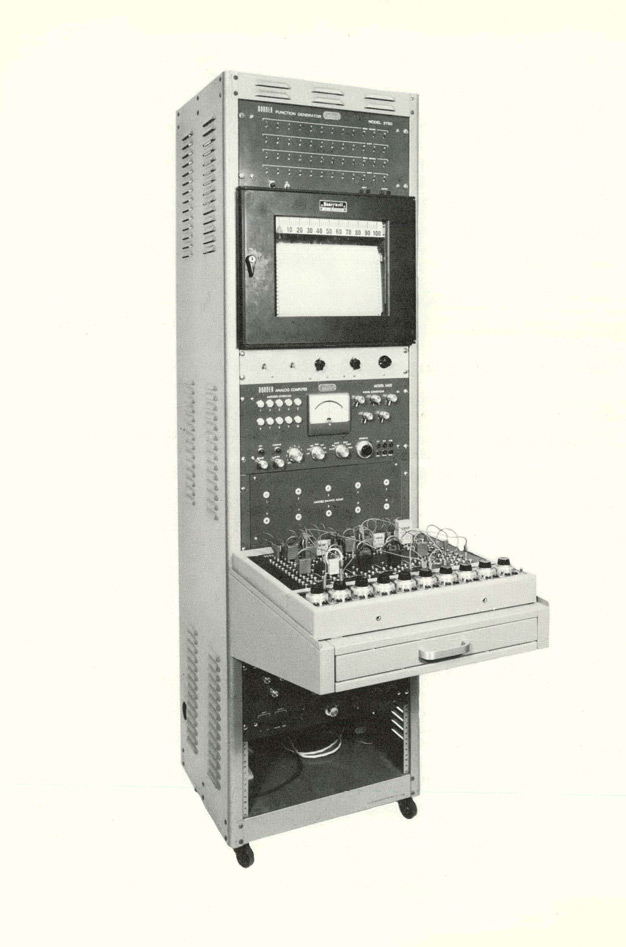
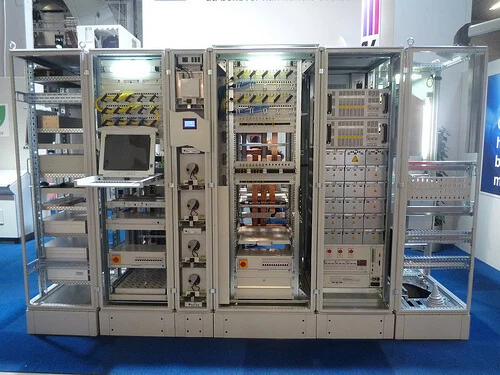
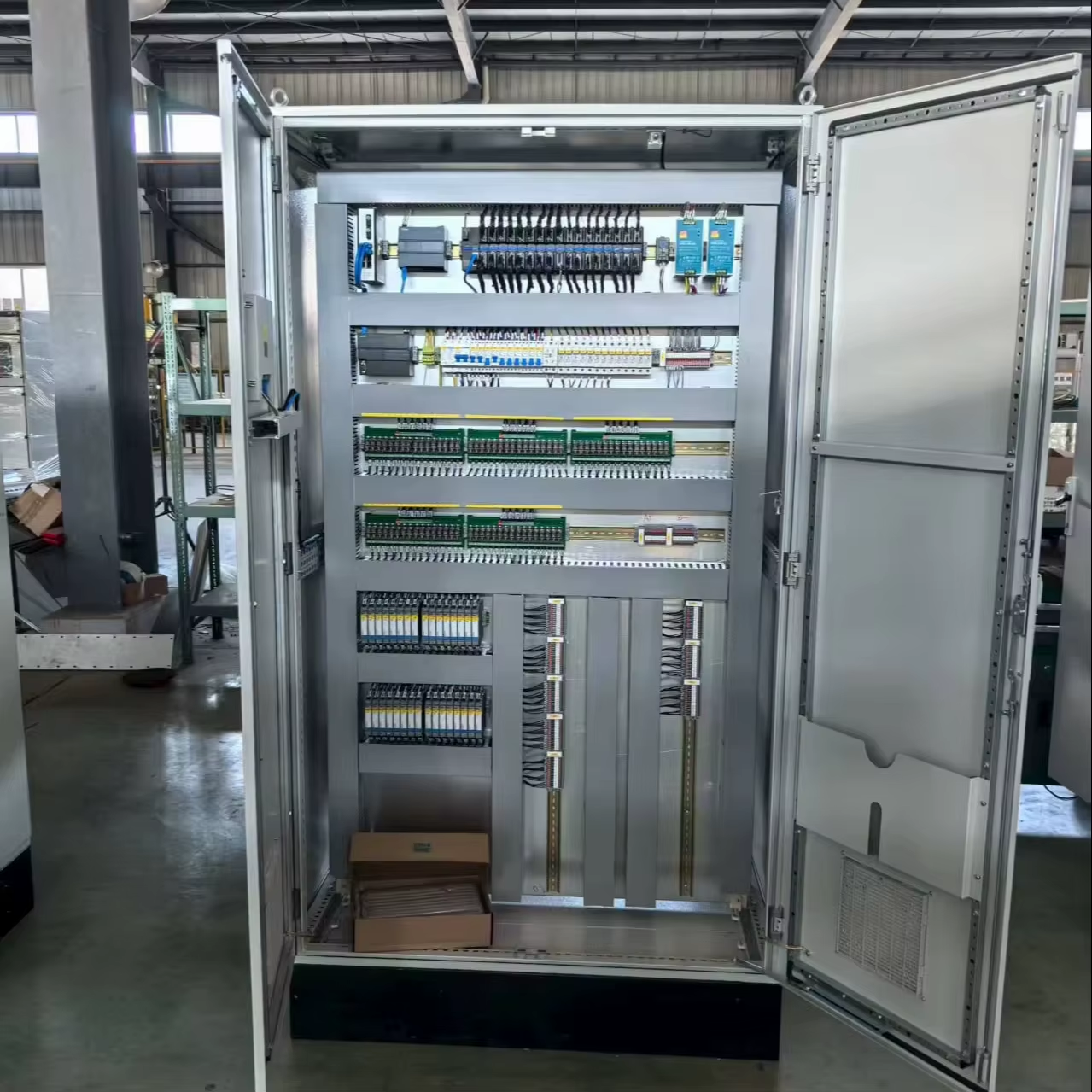
Description
-
Product Overview
SCADA system hardware is an industrial-grade control and monitoring hardware suite designed to deploy supervisory control and data acquisition solutions across critical infrastructure and manufacturing sites. It provides real-time telemetry acquisition, local control I/O, edge processing, and secure communications to enable centralized monitoring, alarm management, and operational optimization. The key value proposition is reliable, low-latency telemetry and hardened operation in harsh environments, enabling improved uptime, faster fault detection, and deterministic control that translates into lower operational expenditure. Strategically, SCADA system hardware is essential for digitalization and Industry 4.0 initiatives across utilities, oil & gas, water treatment, manufacturing, and energy management, where secure and dependable field-to-control-room data and control paths determine operational resilience and regulatory compliance. -
Key Specifications & Technical Characteristics
-
Core components: Rugged RTUs (Remote Terminal Units), PLC-grade controllers, industrial gateways, protocol converters, edge historians, and HMI interface panels.
-
Materials & build: Aluminum or stainless-steel enclosures (IP65–IP67 rating available), conformal-coated PCB assemblies for moisture and dust resistance, vibration-damped mounting hardware.
-
Environmental rating: Operating temperature range typically -40°C to +70°C; storage -50°C to +85°C; relative humidity up to 95% non-condensing.
-
Power characteristics: 24 VDC standard with wide-range AC/DC power modules (85–264 VAC input), optional battery-backed UPS and solar-compatible power inputs.
-
Communication interfaces: Ethernet (10/100/1000BASE-T), fiber SFP, serial RS-232/485, cellular (4G/5G modem options), LoRaWAN, CAN, and redundant dual-WAN support.
-
Protocol support: Native Modbus TCP/RTU, DNP3, IEC 60870-5-104, OPC UA, MQTT, Profinet, EtherNet/IP (firmware stack options available).
-
Cybersecurity: Hardware root-of-trust, TPM support, secure boot, AES-256 VPN, role-based access control, and support for certificate-based authentication.
-
Performance: I/O scan times down to single-digit milliseconds (model-dependent); local edge compute for analytics and control logic; onboard data buffering and store-and-forward for network outages.
-
Physical characteristics: Form factor options—DIN-rail modules, 19″ rack-mount controllers, wall-mount enclosures; typical unit weights 1–35 kg depending on configuration.
-
Packaging: Industrial wooden crates or palletized shrink-wrapped pallets with anti-static protection and desiccant; custom packing for hazardous zones.
-
Shelf life and maintenance: Electronic hardware with recommended maintenance/service interval 3–5 years; firmware supported for 5+ years; spares stocked for 10+ years for long-term projects.
-
Certification & compliance: CE, UL/cUL, ATEX/IECEx options for explosive atmospheres, RoHS, and environmental test reports (MIL-STD shock/vibration available on request).
-
Core Industrial Applications
-
Utilities (power generation & transmission): Real-time substation monitoring, remote feeder automation, transformer health telemetry, and distributed generation coordination. Outperforms alternatives by offering deterministic I/O timing, redundant communications, and substation-hardened enclosures for high availability.
-
Oil & gas (upstream, midstream, downstream): Pipeline SCADA, pump station control, tank farm monitoring, and compressor station automation. Benefits include intrinsically safe/explosion-proof options, long-range telemetry, and integrated leak/failure detection logic that reduces downtime and environmental risk.
-
Water & wastewater treatment: Remote pumping station control, reservoir level management, and disinfection process monitoring. Hardware’s corrosion-resistant materials and local edge control reduce latency and operator intervention, lowering energy and maintenance costs.
-
Manufacturing & process industries: Batch and continuous process control, safety interlocks integration, and OEE data capture. Edge analytic capabilities enable predictive maintenance and tighter process control than legacy I/O-only solutions.
-
Renewable energy & microgrids: PV/ wind farm plant controls, inverter telemetry aggregation, and microgrid islanding control. Robust communications and grid-interactive control logic increase energy yield and reduce curtailment.
-
Mining & heavy industry: Fleet telemetry, conveyor and crusher control, and remote-site condition monitoring. Ruggedized construction and extended temperature ranges deliver durability in harsh conditions.
-
Competitive Advantages
-
Quality consistency: Factory-tested configurations with burn-in, full I/O verification, and serial-numbered BOM traceability for consistent field performance.
-
Supply reliability: Global distribution network with regional stock hubs and kitted BOMs to meet fast-turn deployment schedules and reduce lead times.
-
Logistics capability: Export-ready packaging, global freight forwarding partners, and customs documentation support for cross-border industrial projects.
-
Price competitiveness: Tiered pricing for bulk procurement, long-term frame agreements, and configurable modules that reduce total installed cost versus full-custom systems.
-
Sustainability: Energy-efficient components, recyclable metal enclosures, and option for reduced-hazard packing; RoHS compliance and extended service life reduce lifecycle environmental impact.
-
Technical support: Detailed hardware/software integration guides, protocol mapping matrices, commissioning toolkits, and 24/7 technical escalation for enterprise customers. Optional onsite commissioning and training packages available.
-
Documentation & certification: Comprehensive datasheets, FAT (Factory Acceptance Test) reports, FAT witness options, and certification packages (ATEX/IECEx, UL) to support regulatory and project tender requirements.
-
Commercial & Supply Information
-
Minimum order quantity (MOQ): BULK 20MT
-
Loading capacity (MT per container): Typical loading capacity depends on component mix and packing density; standard 20′ container up to ~18–20 MT, 40′ container up to ~26–28 MT. Exact loading plans provided by logistics team per order.
Reviews
There are no reviews yet.