

Description
-
Product Overview
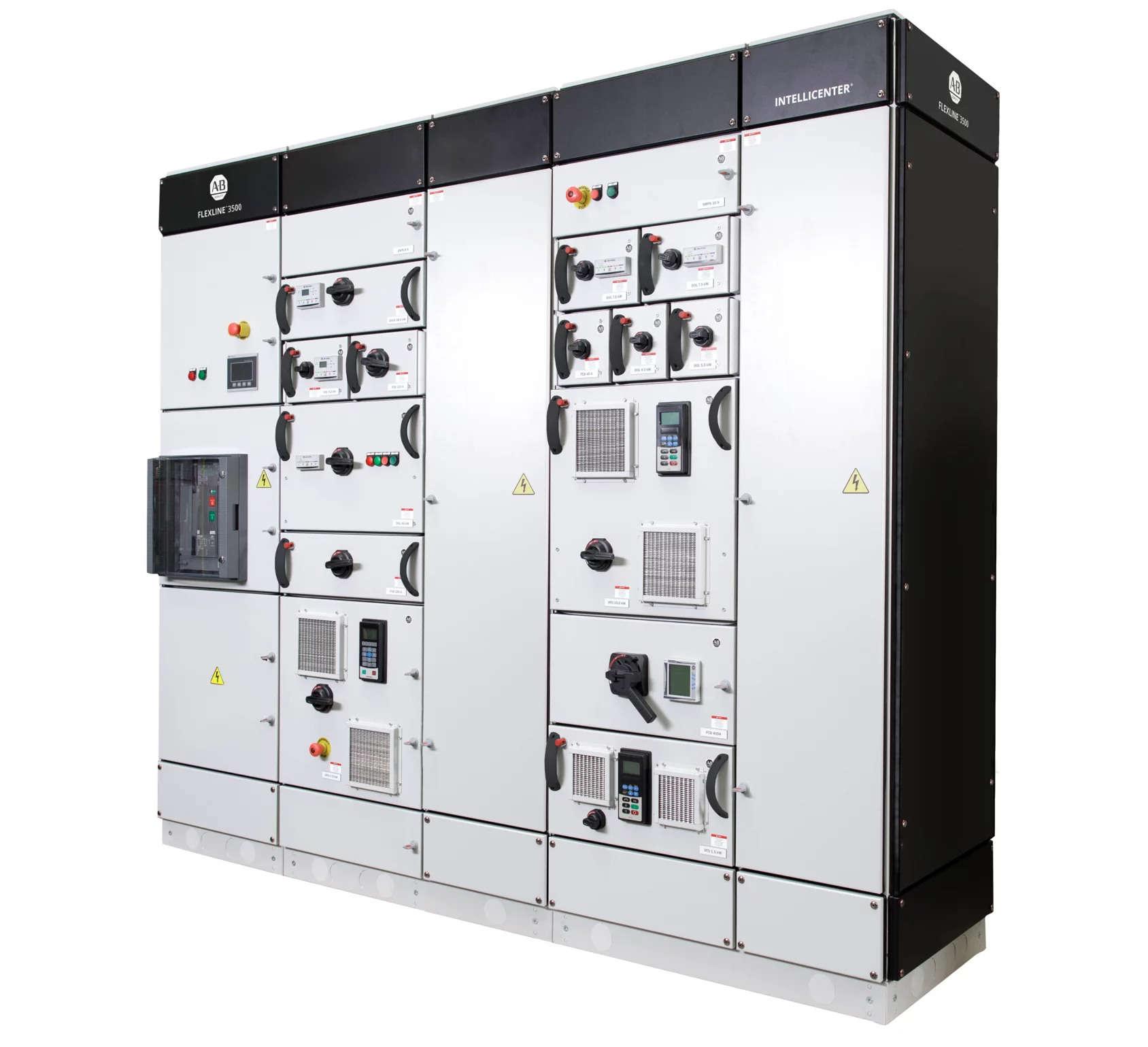
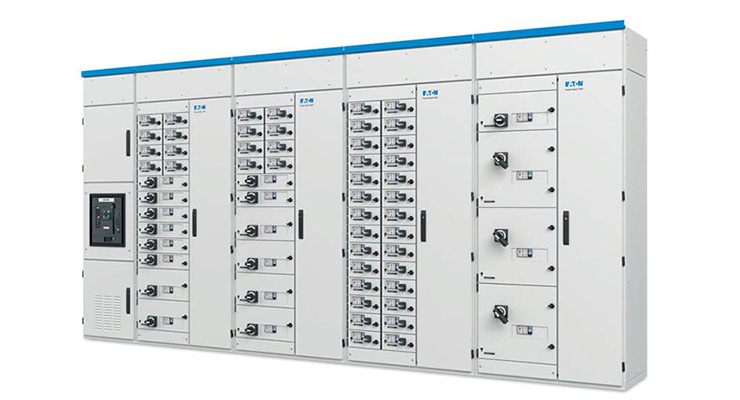
Motor control center (MCC) — an integrated electrical distribution and control assembly engineered to centralize motor starters, protection, metering, and automation for industrial power systems. MCCs are used to start, monitor, and protect medium- and large-capacity electric motors across manufacturing plants, water treatment, oil & gas, mining, pulp & paper, and heavy process industries. The key value proposition is consolidated, serviceable motor control and distribution that reduces footprint, simplifies maintenance, and improves uptime through modularity and standardized protection. Strategically, MCCs enable predictable operational performance, faster fault isolation, and scalable automation integration, making them a cornerstone of resilient industrial electrification and digitalization initiatives. -
Key Specifications & Technical Characteristics
-
Construction: Modular cubicle-style steel enclosure (powder-coated mild steel or optional stainless steel 304/316 for corrosive environments).
-
Ingress protection: Standard IP31; optional IP54/IP55, NEMA 1/12/3R/4X variants for indoor/outdoor and corrosive applications.
-
Rated voltage: Up to 600 V AC (custom higher-voltage designs available on request).
-
Rated current: Frame and busbar systems supporting main bus ratings from 400 A to 5000 A; individual feeder ratings up to 1600 A typical.
-
Short-circuit withstand: Bus withstand ratings up to 50 kA RMS symmetrical (configurable to site fault-level requirements).
-
Busbar system: Copper or mechanically stabilized copper-plated aluminum busbars, insulated supports, phase-segregated designs.
-
Motor starters: Options for DOL, star-delta, auto-transformer, soft starters, VFD-integrated sections; compatibility with IEC and NEMA starter modules.
-
Protection & control: Molded case breakers, thermal overloads, electronic motor protection relays, phase failure/imbalance protection, ground-fault protection, selectable coordination.
-
Automation & communications: PLC-ready cubicles, fieldbus support (Modbus TCP/RTU, Profibus, Profinet, EtherNet/IP), remote I/O, SCADA/HMI integration.
-
Metering & instrumentation: Digital meters (V/A/kW/kWh/THD), CT/VT integration, event logging, and fault-recording options.
-
Physical characteristics: Standard cubicle heights 2000–2200 mm, depths 600–1000 mm, customizable widths per module; weight varies by configuration and components.
-
Thermal management: Forced ventilation, louvered cooling, optional air conditioning for high ambient environments.
-
Earthing & bonding: Compliant with IEC/NEC earthing practices, dedicated earth bars and grounding provision.
-
Finish & marking: RAL-standard powder coat, laser/plate labeling for circuits, clear wiring ducts and cable entry provisions.
-
Documentation: As-built wiring diagrams, factory test reports (FAT), routine test certificates, operation & maintenance manuals, spare-parts lists.
-
Packaging: Export wooden crate or palletized for containers; protective film and desiccant inside packaging.
-
Shelf life/Storage: Not applicable as electrical equipment; recommended indoor, dry storage; humidity <65% and ambient 0–40°C for extended shelf integrity.
-
Core Industrial Applications
-
Primary industries: Oil & gas (onshore/offshore), chemical & petrochemical plants, power generation, water & wastewater treatment, mining & minerals processing, pulp & paper, cement, heavy manufacturing, and infrastructure (marine, airports, data centers).
-
Operational use cases: Centralized motor starting and protection for pump, compressor, fan, conveyor, crusher, and kiln systems; zone or plant-level distribution panels; integration points for automation sequences (e.g., startup/shutdown interlocks, load shedding); replacement/upgrade of legacy switchgear for improved safety and diagnostics.
-
Why it performs better: Modular configuration reduces mean time to repair (MTTR) by enabling hot-swappable feeders and isolated maintenance; integrated protection and communications accelerate fault diagnosis and remote intervention; engineered bus ratings and short-circuit capacity align with site fault levels to improve safety margins and reduce downstream equipment replacements.
-
Commercial benefits: Consolidation of motor starters and feeders reduces cabling and installation time, lowering EPC costs; standardized modules simplify spare stocking and lower lifecycle operating costs versus bespoke or distributed starter systems.
-
Competitive Advantages
-
Quality consistency: Factory-assembled, inspected, and test-certified MCCs with documented FATs and traceable components to ensure repeatable performance across orders.
-
Supply reliability: Production capacity supported by regional manufacturing hubs and vendor-managed inventory options for critical modules to meet project timelines.
-
Logistics capability: Containerized export packaging and modular sizing designed for 20 ft/40 ft container loading; customizable packing plans and on-site delivery coordination.
-
Price competitiveness: Configurable platform provides baseline standard units that reduce unit cost while allowing targeted upgrades for critical circuits, delivering best-in-class total cost of ownership.
-
Sustainability: Material selection and energy-efficient components (low-loss bus options, efficient ventilation, and VFDs for process optimization) reduce lifecycle carbon and energy consumption.
-
Technical support: Comprehensive documentation, commissioning assistance, site FAT/SAT options, extended warranty, and lifecycle support including spare parts, retrofits, and software/firmware updates.
-
Certification & compliance: Designed to meet IEC and/or NEMA standards, CE marking, optional third-party testing and compliance documentation for major international markets.
-
Commercial & Supply Information
-
Minimum order quantity (MOQ): BULK 20MT
-
Loading capacity (MT per container): Typical loading capability depends on unit configuration and container type; approximate guideline: 20 ft container up to 18–22 MT gross, 40 ft container up to 26–28 MT gross. Final loading plan to be provided per order based on dimensions, packing method, and transport regulations.
Reviews
There are no reviews yet.