
Description
-
Product Overview
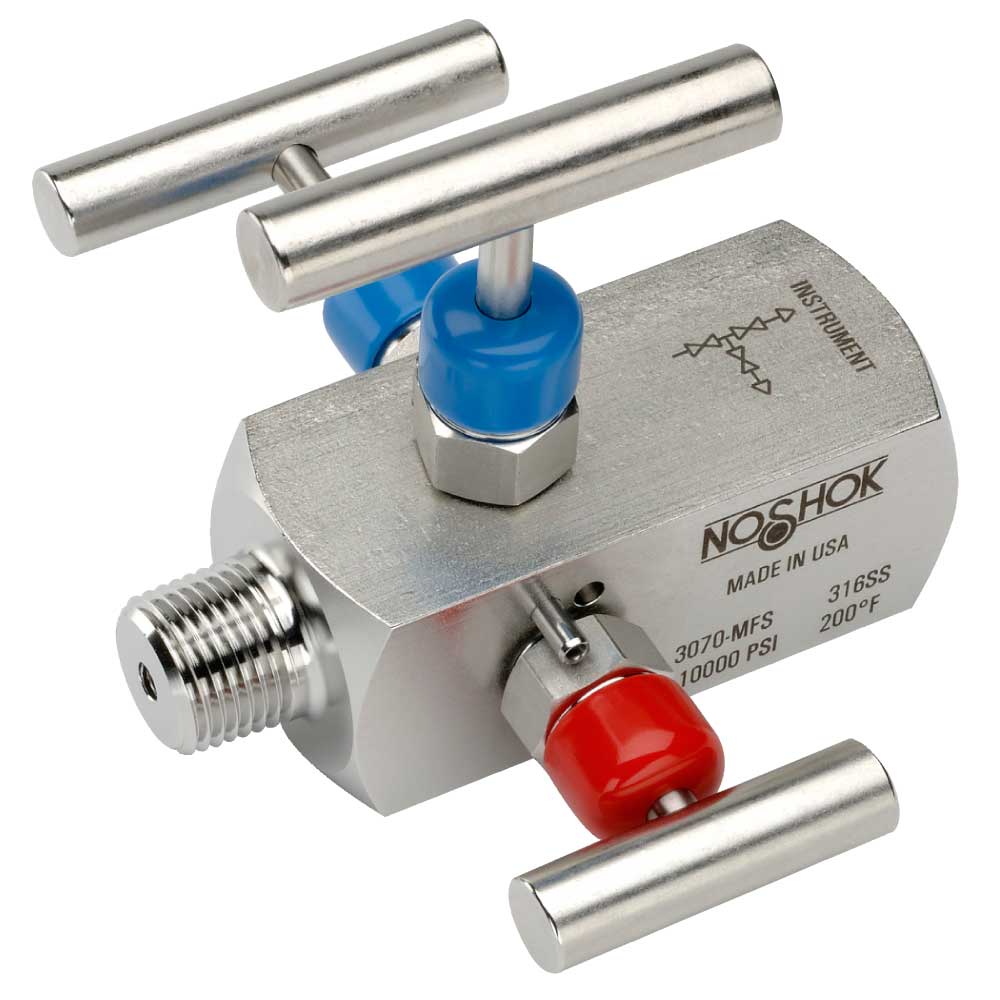
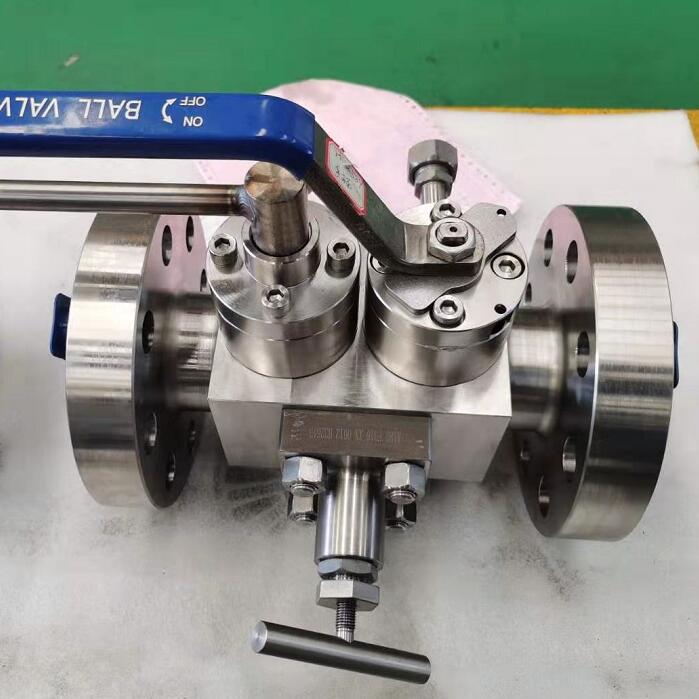
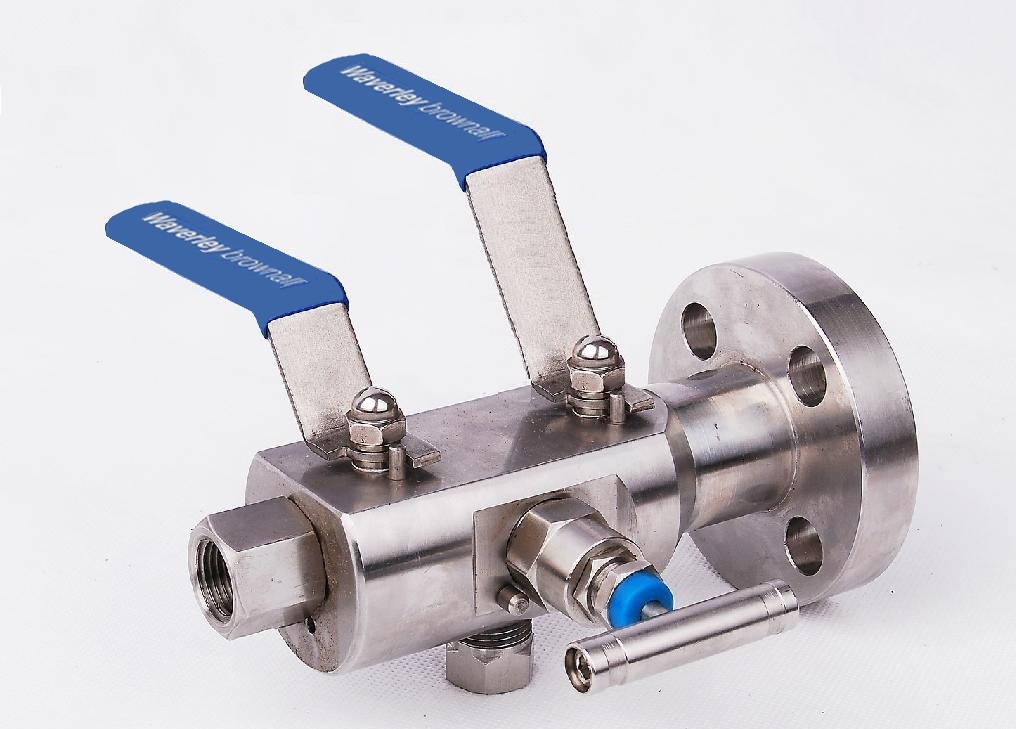
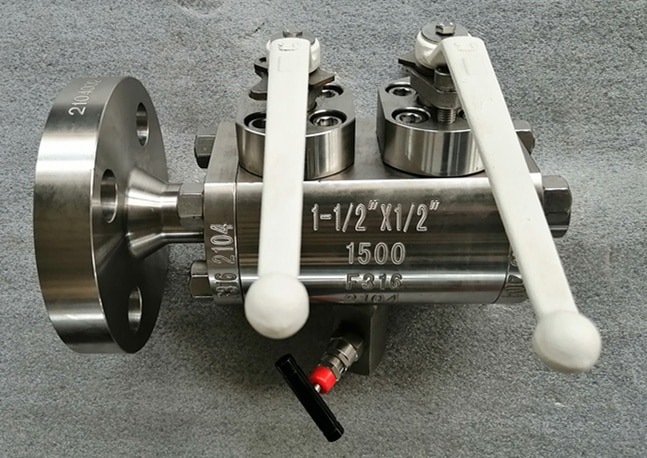
Double block & bleed valve is a high-integrity isolation valve assembly engineered for safe, leak-free double isolation and intermediate bleed in critical fluid and gas systems. It is primarily used in oil & gas production, refining, petrochemical plants, and high-pressure utility systems to enable maintenance, testing, and safe line transfer without process shutdown. The assembly delivers fail-safe isolation, minimizes fugitive emissions, and provides clear verification of isolation via the bleed port—reducing operational risk and improving turnaround speed. Strategically, specifying a certified double block & bleed valve reduces HSE exposure, ensures regulatory compliance, and lowers lifecycle maintenance costs for large-scale industrial operators.
-
Key Specifications & Technical Characteristics
-
Materials: Body and bonnet options in ASTM A182 F316/316L stainless steel, ASTM A105 carbon steel, duplex (2507) and super duplex (S32760) alloys; trim options 316/316L, Monel, Inconel, Stellite-faced seating.
-
Sealing: Primary and secondary metal-to-metal or soft-seated PTFE/Elastomer (FKM/EPDM) options; live-loaded packing available.
-
Pressure rating: ANSI/ASME class 150–2500 (PN20–PN420) depending on size and material.
-
Temperature rating: -46 °C to +425 °C (material-dependent; extended ranges with special alloys and seals).
-
End connections: Raised face flanged (RF), RTJ flanged, butt-weld ends, and threaded connections per ASME/ISO standards.
-
Bore options: Full bore and reduced bore configurations; sizes from 1/2″ to 24″ (DN15–DN600) standard; larger sizes on request.
-
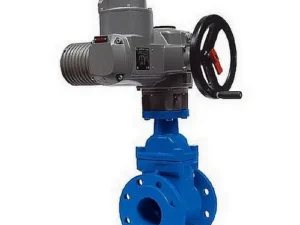
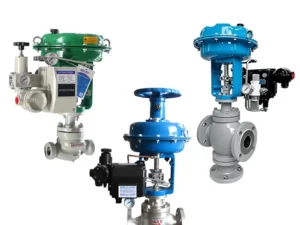
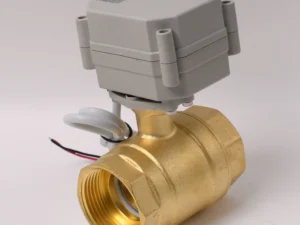
Actuation: Manual gearbox, pneumatic (single or double-acting), hydraulic, or electric actuators; integrated limit switches and solenoid valves optional.
-
Bleed port: Dedicated vent port with isolation and instrumentation connection (1/4″–1/2″ NPT or flanged).
-
Surface finish: Internal machined to specified Ra; external epoxy paint or corrosion-resistant coatings; optional galvanizing or ceramic coatings.
-
Testing & certification: API 6D, ISO 17292, API 598 shell & seat test, TA-Luft / fugitive emission compliant options, NACE MR0175/ISO 15156 for sour service.
-
Dimensions & weights: Standardized face-to-face per ASME B16.10; weight dependent on size/material (detailed datasheet provided).
-
Packaging: Wooden crates with anti-corrosion VCI, desiccant, and lifting/installation aids; individual serial number and material traceability.
-
Shelf life: Indefinite for metallic components when packaged correctly; elastomeric seals recommended replacement after 3–5 years in long-term storage depending on storage conditions.
-
Core Industrial Applications
-
Oil & Gas Upstream and Midstream: Wellhead and pipeline isolation for safe maintenance, pigging operations, and hydrocarbon testing; preferred where double isolation is mandated by safety procedures and regulators.
-
Refining and Petrochemicals: Unit isolation during turnaround and catalyst change-outs; enables depressurization and verification without process interruptions.
-
Power Generation and Utilities: Steam, condensate, and feedwater isolation where double barrier control reduces risk of turbine or boiler contamination.
-
Chemical and Process Industries: Corrosive or toxic fluid isolation for reactor maintenance, sampling, and purging; compatible with sour and high-chloride environments with appropriate metallurgy.
-
LNG and Cryogenic Systems: Specialized alloy and sealing configurations for low-temperature service and boil-off gas handling.
Why it outperforms alternatives: -
True double isolation with an intermediate bleed provides verifiable leak detection versus single block or valve-in-valve solutions.
-
Robust metallurgy and optional soft-seat combinations deliver longer service life and lower mean time between repairs (MTBR).
-
Modular actuation and instrumentation reduce integration time and streamline automation compared with bespoke isolation assemblies.
-
Competitive Advantages
-
Quality consistency: Manufactured to strict QA/QC with full material certificates (MTC), weld procedures (WPS/PQR), and serial traceability.
-
Supply reliability: Global production capacity with regional inventory hubs, priority allocation for framework contracts, and configurable lead times for repeat buyers.
-
Logistics capability: Crating and export-ready packing, coordinated multimodal shipping solutions, and container loading optimization (see loading capacities).
-
Price competitiveness: Scalable manufacturing and alloy selection provide cost-optimized options for both high-spec and value-driven procurement strategies.
-
Sustainability: Reduced fugitive emissions through certified packing and sealing options; long-life materials lower replacement frequency and embedded carbon across lifecycle.
-
Technical support: Detailed installation, operation, and maintenance manuals; factory witness testing, third-party inspection, and post-sale commissioning assistance; spare parts kits and rebuild programs available.
Positioning: Selecting this double block & bleed valve is a strategic sourcing decision that reduces HSE exposure, simplifies compliance, and lowers total cost of ownership for large-scale industrial operators.
-
Commercial & Supply Information
-
Minimum order quantity (MOQ): BULK 20MT.
-
Loading capacity (per standard container): Typical loading depends on valve size and packaging; approximate maximum payloads:
-
20′ container gross payload: up to 20 MT (suitable for small to medium valves, spare parts, and accessories).
-
40′ HQ container gross payload: up to 26–28 MT (suitable for mixed-size shipments).
-
-
Lead times: Standard configurable lead time 10–16 weeks depending on specification, fast-track options available for priority contracts.
-
Documentation included: MTC (EN 10204 3.1/3.2), hydrostatic and seat test certificates, QA/QC inspection reports, NDE reports (RT/UT/DP as required), operating manual.
-
After-sales: Spare parts kits, field service agreements, and refurbishment programs offered; global service partners for on-site support.
Reviews
There are no reviews yet.