
Description
Product Overview
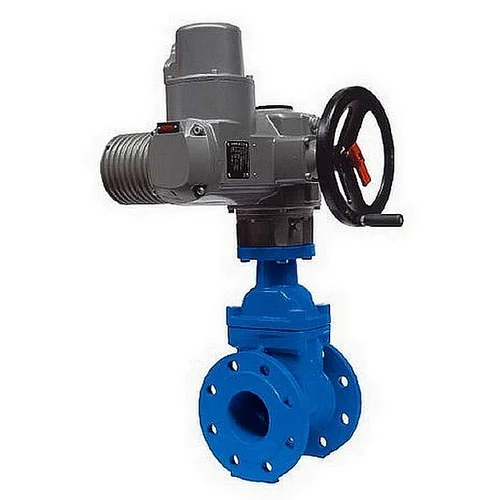
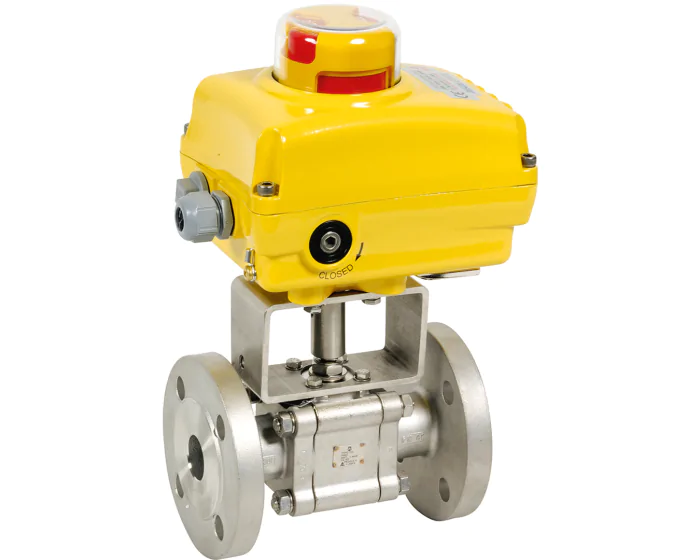
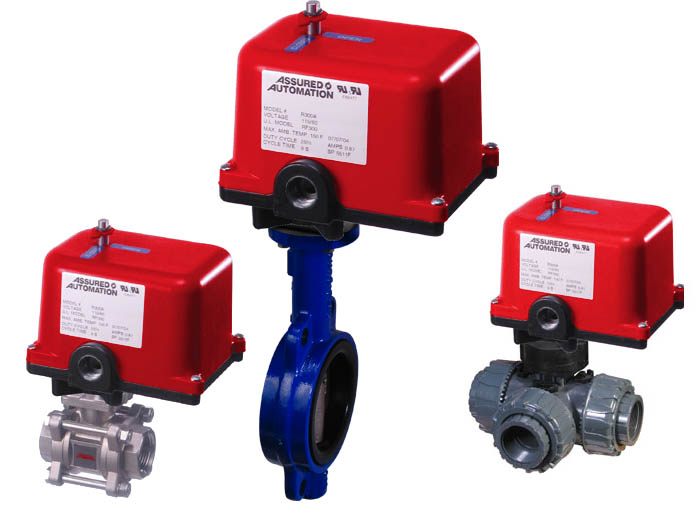
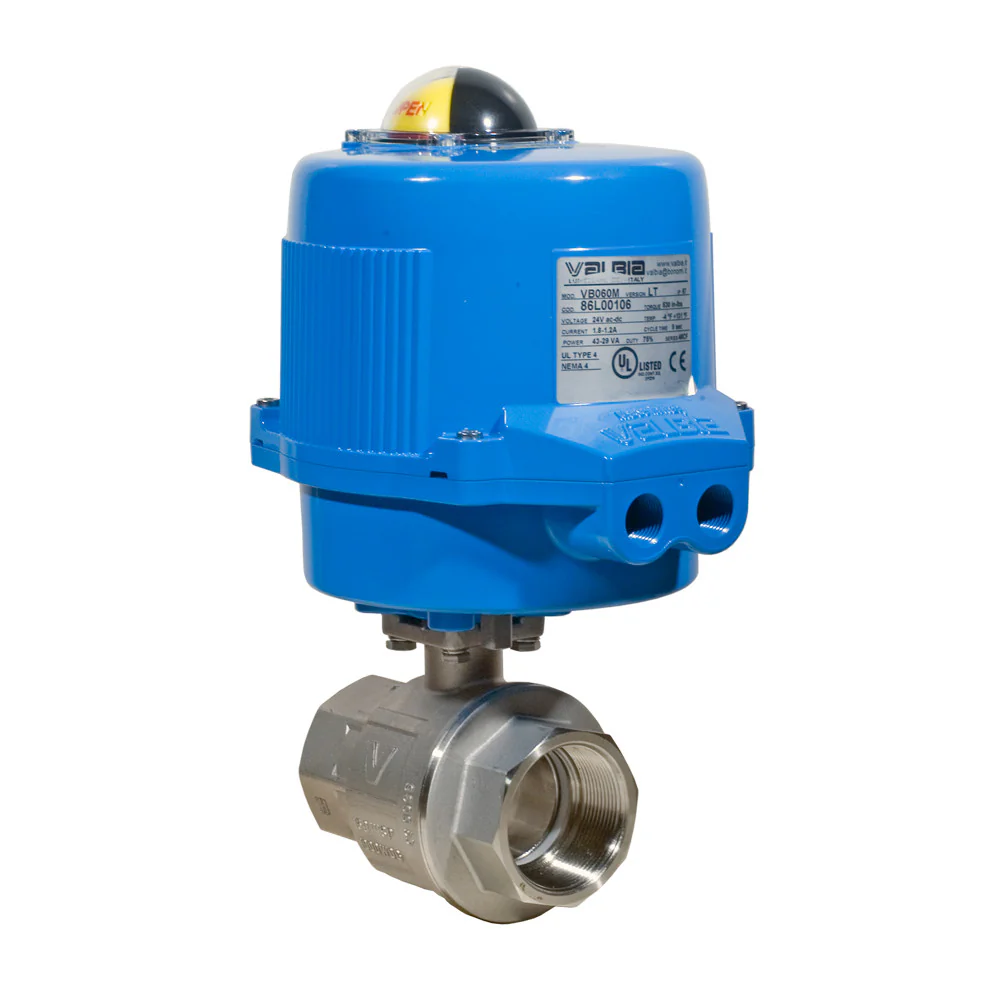
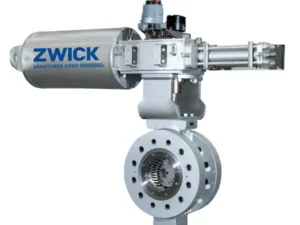
Electric actuated valve is an industrial valve assembled with an electric actuator to provide automated, precise on/off and modulating flow control for liquids, gases, and steam in process systems. It is used across petrochemical, chemical, water & wastewater, power generation, HVAC, food & beverage, and manufacturing plants to enable remote operation, safety interlocks, and integration with DCS/PLC controls. The primary value proposition is reliable, repeatable actuation with high torque, tight shutoff, and programmable control that reduces manual intervention and improves process uptime. Strategically, electric actuated valves support plant digitalization, emissions control, and operational cost reduction by enabling accurate flow regulation, condition monitoring, and simplified automation architecture.
Key Specifications & Technical Characteristics
-
Valve type: ball, butterfly, globe, or plug configurations (specify model at order).
-
Materials of construction: body options include ASTM A216 WCB, ASTM A351 CF8/CF8M, carbon steel, stainless steel 304/316; trim options stainless steel, duplex, or hardened alloys.
-
Actuator type: quarter-turn electric actuator (motorized), multi-turn actuator; gear-driven or direct-coupled.
-Drive characteristics: rated torque range 50–10,000 Nm (selectable), IP67 or IP68 ingress protection. -
Power requirements: 24 VDC, 110 VAC, 230 VAC, or 380 VAC options; single-phase and three-phase variants; built-in motor protection.
-
Control interface: on/off, modulating 4–20 mA, 0–10 V, HART, Profibus, Modbus RTU/TCP, optional Fieldbus gateways.
-
Position feedback: analog positioner, potentiometric or encoder feedback, optional limit switches, and open/closed micro-switches.
-
Speed & response: adjustable actuation speed, typical quarter-turn times 2–20 s; soft-start/stop capability.
-
Sealing & leakage class: PTFE, PEEK, or elastomer seals; fugitive emission options to ISO 15848 (API) or Class V/VI seat leakage ratings.
-
Temperature range: standard -40°C to +200°C; extended high-temperature trims available.
-
Pressure rating: PN10–PN420 / ASME 150–2500 (model dependent).
-
Physical characteristics: flange or lug ends to ANSI/ASME, DIN, or JIS standards; weight varies by size and material.
-
Coating and finish: epoxy, polyurethane, or corrosion-resistant coatings; optional galvanizing.
-
Packaging options: wooden crate, palletized with anti-corrosion wrap, sealed for export; custom packing for project cargo.
-
Shelf life & storage: no chemical degradation; store in dry, temperature-controlled environment; recommended protective cap on flange/port; motor battery/grease service intervals per maintenance schedule.
Core Industrial Applications
-
Oil & Gas: well-head and pipeline isolation, compressor stations, and custody transfer lines where precise shutoff and remote control reduce safety risk and manual intervention.
-
Petrochemical & Refining: feedstock routing, reactor isolation, and blending operations requiring tight shutoff and compatibility with aggressive process fluids.
-
Power Generation: feedwater, cooling, and fuel gas control for thermal and combined-cycle plants; electric actuation enables integration with plant control systems for automated load response.
-
Water & Wastewater: treated water distribution, chemical dosing, and sludge handling; robust actuators deliver reliable cycling and low maintenance.
-
Chemical Processing: corrosive and high-temperature flows; material choices and Fugitive Emission options meet regulatory and process safety needs.
-
HVAC & Building Services: chilled water, steam traps, and zone control in critical facilities, allowing central building management integration.
Why it outperforms alternatives -
Efficiency: precise modulating control lowers process variability and reduces energy use versus pneumatic systems that require continuous instrument air.
-
Durability: rugged actuators with IP67/IP68 protection and corrosion-resistant materials extend service life in harsh environments.
-
Total cost of ownership: lower lifecycle costs due to reduced pneumatic infrastructure, simpler wiring to control systems, and predictive maintenance capability.
-
Safety & compliance: integrated interlocks and certified leakage/seat options help meet environmental and safety regulations.
Competitive Advantages
-
Quality consistency: manufactured to ISO 9001 processes with batch traceability, material certificates (MTC), and factory acceptance testing (FAT) on demand.
-
Supply reliability: strategic stock levels and project allocation for fast turnaround; global manufacturing and regional distribution ensure continuity for large-scale projects.
-
Logistics capability: export-ready packaging, consolidation for FCL/LCL, and experienced handling of container/tanker loading; support for hazardous cargo documentation.
-
Price competitiveness: scalable production and configurable standard modules reduce unit cost for large orders while preserving performance.
-
Sustainability: options for low-emission sealing (ISO 15848), recyclable materials, and electric actuation that eliminates compressed-air consumption.
-
Technical support: comprehensive documentation (datasheets, wiring diagrams, PID curves), installation & commissioning support, on-site training, and spare parts kits; extended warranty and service contracts available.
Commercial & Supply Information
-
Minimum order quantity (MOQ): BULK 20MT.
-
Loading capacity (MT per container): typical 20-foot container capacity up to 22–24 MT depending on valve size and packing; 40-foot container capacity up to 25–28 MT or optimized pallet configurations for project shipments.
Reviews
There are no reviews yet.