
Description
-
Product Overview
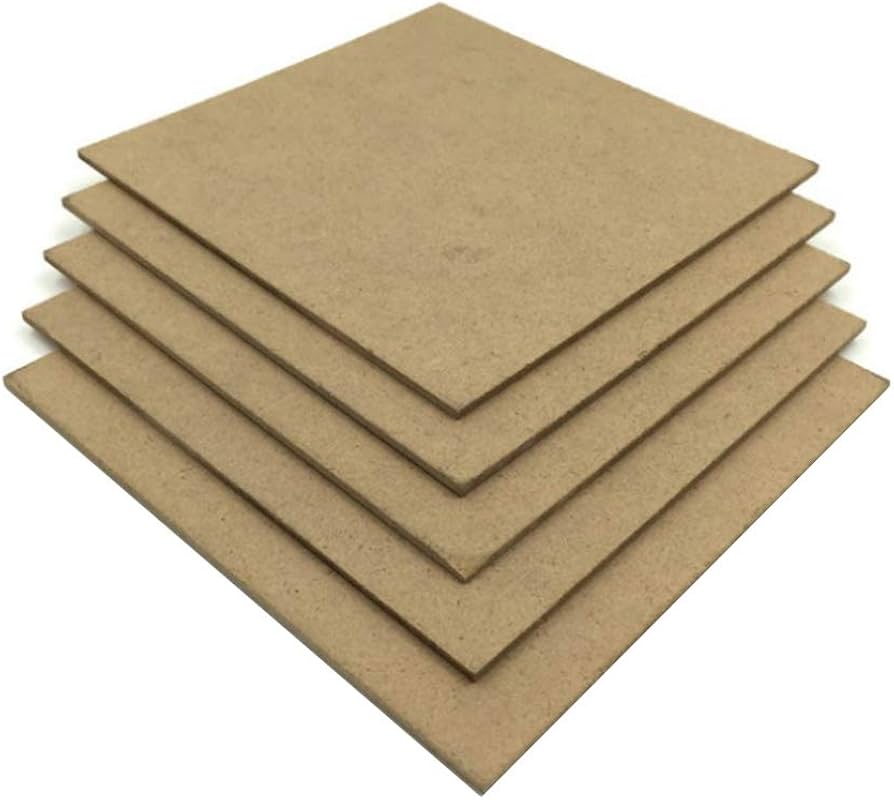
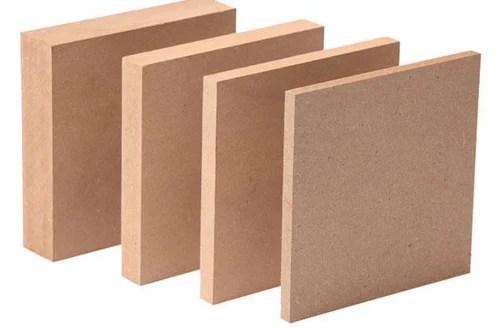
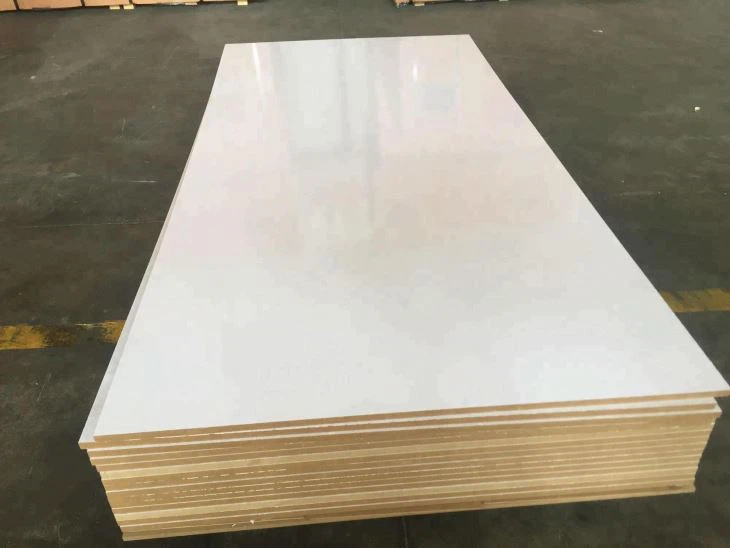
MDF Fiber Material is a high-uniformity medium-density fiberboard (MDF) fiber product engineered for industrial panel, composite, and engineered-wood manufacturing. Supplied as refined lignocellulosic fibers optimized for bonding and mat formation, it serves as the primary feedstock for MDF, particleboard, HDF, and specialty composite panels. The material delivers consistent fiber length, moisture profile, and resin uptake characteristics to maximize press throughput, board uniformity, and finished-panel mechanical properties. Strategically, sourcing standardized MDF fiber material reduces production variability, lowers scrap rates, and enables scale efficiencies for large-volume panel producers and downstream manufacturers.
-
Key Specifications & Technical Characteristics
-
Material components: Refined softwood and/or hardwood lignocellulosic fibers (pine, eucalyptus variants available on request), screened to remove oversized particles and contaminants.
-
Fiber grade: Industrial MDF fiber grade (customizable softwood:hardwood blend ratios).
-
Typical fiber length distribution: Mean 0.5–1.5 mm (tailored ranges available).
-
Fines content: Controlled fines fraction ≤ 15% (typical target 8–12%).
-
Moisture content (as delivered): 6–10% (adjustable per contract).
-
Bulk density (loose): 80–140 kg/m³ (compressible; bulk density for packed load specified on PO).
-
Ash content: ≤ 1.5% (typical, depends on raw material source).
-
pH: Neutral to slightly acidic (approx. 5.5–6.5) to match common resin systems.
-
Impurities: Metallic, soil, and foreign-material screening to industrial acceptance; contaminants <0.1%.
-
Packaging options: Loose bulk (bulk truck / pneumatic offload), jumbo flexible intermediate bulk containers (FIBCs) 1–1.2 MT per bag, 25–50 kg ventilated paper bags for sample or small-lot orders.
-
Delivery form: Dry fiber (standard), pre-blended with wax/resin extension agents available as an optional service.
-
Shelf life: Indefinite if stored dry and protected from moisture; recommended usage within 6–12 months for optimal bonding performance in humid climates.
-
Quality control: Batch-level moisture and fiber-length certificates, lot traceability, and optional third-party test reports on tensile/flexural outcomes when used in standard MDF formulations.
-
Core Industrial Applications
-
Primary industries: Panelboard manufacturing (MDF, HDF, particleboard), furniture and cabinetry OEMs, laminate substrate producers, acoustic and insulation composite manufacturers, and specialty engineered-wood component fabricators.
-
Specific operational use cases: Core feedstock for dry and wet felt mat formation in continuous and press lines; proportioning with thermoset resins (urea-formaldehyde, MDI) for standard MDF; blending with additives (fire retardants, wax emulsion) for performance-grade boards; formulation for moisture-resistant and high-density panels.
-
Performance advantages vs alternatives: Compared with raw wood chips or non-standard fiber blends, this MDF fiber material offers narrower particle-size distribution and controlled moisture that improves resin distribution and curing uniformity, raises internal bond strength, reduces delamination risk, and increases press-line throughput (shorter cycle times). Uniform fiber quality reduces downstream sanding variance and finish defects, improving yield and lowering rework costs.
-
Commercial relevance: Enables manufacturers to maintain consistent board mechanical properties and surface quality across large production runs, facilitating predictable cost-per-square-meter economics and simplified inventory/resin batching strategies.
-
Competitive Advantages
-
Quality consistency: Tightly controlled fiber-length distribution, moisture, and fines content backed by batch certificates to ensure repeatable board properties.
-
Supply reliability: Production planning and long-term contracts supported by regional logistics hubs, winter storage capacity, and seasonal sourcing strategies to mitigate feedstock variability.
-
Logistics capability: Flexible loading modes—bulk pneumatic, containerized FIBC, and palletized bag shipments—with coordinated export documentation and offloading support for industrial terminals. Loading optimization supports 20 MT bulk pallet/container planning.
-
Price competitiveness: Economies of scale for bulk orders, competitive FOB/CIF pricing tiers, and cost-stable supply through multi-source raw material blending. Volume discounts and fixed-term pricing available for contract purchasers.
-
Sustainability benefits: Sourced from legally harvested wood and residues, optimized yield reduces waste compared with chip-based processes; potential for FSC/PEFC chain-of-custody documentation on request. Lower transportation footprint per ton via high-density packing options.
-
Technical support: Application engineering services for resin dosing, wax integration, and process tuning; standard technical datasheets, SDS, and production-acceptance test protocols provided with orders.
-
Commercial & Supply Information
-
Minimum order quantity (MOQ): BULK 20 MT.
-
Loading capacity (MT per container): Standard 20-foot container: up to 20 MT (FIBC/palletized bag configuration), 40-foot container: up to 24–26 MT with optimized packing; bulk pneumatic trucks and ISO-silo loads available for larger on-site deliveries.
Reviews
There are no reviews yet.