
Description
-
Product Overview
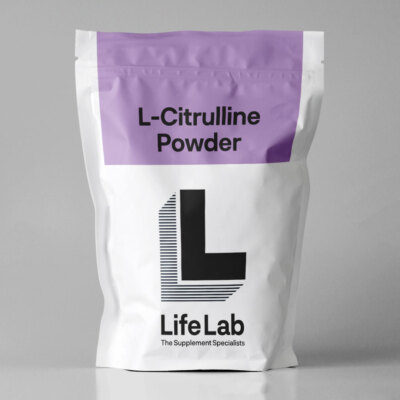
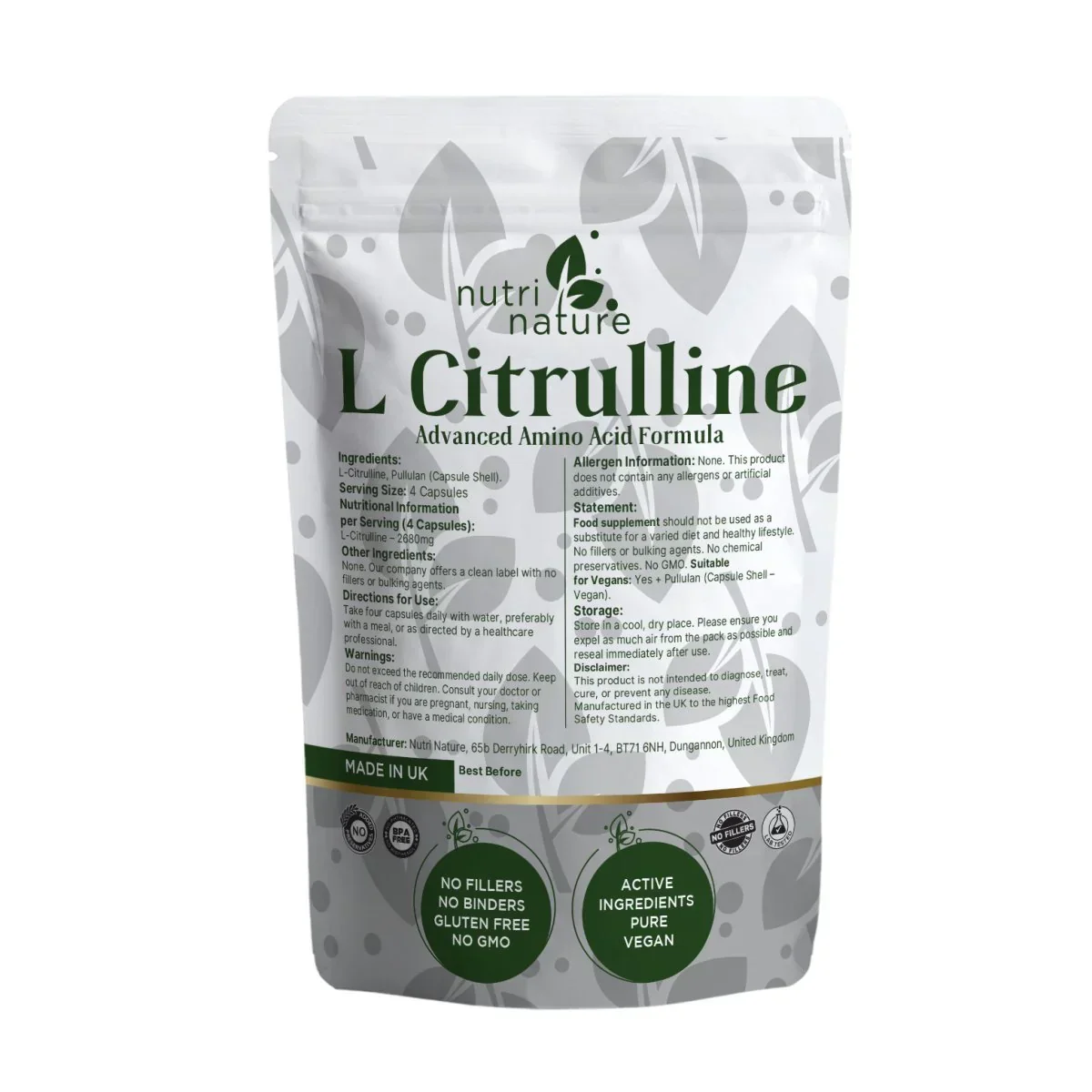
L‑Citrulline is a high‑value, non‑proteinogenic amino acid used as a metabolic precursor in urea cycle and nitric oxide pathways. In industrial settings it is supplied as a technical‑grade, bulk raw material for use in nutritional ingredients, pharmaceutical intermediates, and specialty chemical synthesis. Its key value proposition is reliable, high‑purity supply that enables consistent formulation performance (e.g., enhanced bioavailability and metabolic conversion to L‑arginine) while reducing impurity‑driven batch variability. Strategically, L‑Citrulline is important for manufacturers scaling sports nutrition, clinical nutrition, and therapeutic pipelines where regulatory traceability, supply security, and consistent functional outcomes drive commercial advantage.
-
Key Specifications & Technical Characteristics
-
Chemical name: L‑Citrulline (CAS No. 372‑75‑8)
-
Molecular formula: C6H13N3O3
-
Typical molecular weight: 175.18 g·mol⁻¹
-
Purity/grade: 98.0–99.5% (adjustable by request to meet pharmacopeial or custom specifications)
-
Assay method: HPLC validated assay available on certificate of analysis (COA)
-
Residual solvents: Compliant with ICH Q3C limits (reportable per batch)
-
Heavy metals: <10 ppm total (individual limits available on request)
-
Microbial limits: Specified for industrial, food‑grade, and pharmaceutical use; GMP/ISO testing on request
-
Physical form: White to off‑white crystalline powder
-
Particle size: Typical D90 150–500 µm (custom milling and particle distribution control available)
-
Bulk density: 0.40–0.60 g/mL (tamped and untamped densities provided)
-
Solubility: Highly soluble in water; solubility and dissolution profiles supplied for formulation design
-
pH (1% aqueous): ~6.0–7.5
-
Moisture content: ≤2.0% (Karl Fischer or loss on drying, per agreement)
-
Packaging options: 25 kg multi‑wall kraft paper bags with inner PE liner, 500 kg–1,000 kg FIBCs (flexible intermediate bulk containers), 20 MT bulk palletized for container shipment; bespoke packaging for controlled atmosphere or export requirements
-
Shelf life: 24 months when stored in cool, dry conditions (<25°C, relative humidity <60%) in original sealed packaging; real‑time and accelerated stability data available
-
Core Industrial Applications
-
Nutraceutical & Sports Nutrition: Used as a primary ingredient or precursor to boost nitric oxide production and improve endurance formulations; provides reliable, high‑purity performance for pre‑workout blends and dietary supplements.
-
Pharmaceutical Intermediates & Clinical Nutrition: Employed in formulations and as an intermediate for arginine‑targeted therapies, metabolic disorder treatments, and hospital nutrition products; meets purity and documentation standards needed for regulated supply chains.
-
Specialty Chemicals & Bioprocessing: Raw material for enzymatic conversion processes (e.g., citrulline→arginine pathways), buffer systems, and bespoke biochemical syntheses where predictable impurity profiles reduce downstream purification costs.
-
Animal Health & Feed Additives: Improves amino acid balance in targeted feed formulations for performance or recovery applications; predictable solubility and stability simplify formulation at scale.
Why it outperforms alternatives:
-
Higher assay and tighter impurity profile reduce lot‑to‑lot variability compared with commodity sources.
-
Controlled particle size and solubility accelerate dissolution and homogeneous mixing in large‑scale batching.
-
Comprehensive batch documentation and analytics reduce time and cost for regulatory approval or quality audits.
-
Competitive Advantages
-
Quality consistency: Each batch released with full COA, HPLC assay, impurity profile, moisture, and microbial testing; optional third‑party testing.
-
Supply reliability: Multiple production lines and forward stock positions minimize disruption risk; contractual supply agreements and safety stocks available for strategic customers.
-
Logistics capability: Global export packaging, container stuffing expertise, and customs documentation support FCL/LCL shipments; cold‑chain options for specific customer needs.
-
Price competitiveness: Tiered pricing for annual volume contracts with transparent pass‑through on raw material cost movements; competitive landed cost models for bulk procurement.
-
Sustainability: Manufactured under environmentally managed processes with waste‑minimization controls; supplier sustainability data and carbon footprint reporting available for scope‑based procurement assessments.
-
Technical support: Application dossiers, formulation guidance, stability studies, and regulatory documentation (MSDS, GMP statements, allergen declarations) provided; technical team available for scale‑up and process integration.
-
Commercial & Supply Information
-
Minimum order quantity (MOQ): BULK 20 MT
-
Typical bulk packaging: 20 MT per 20‑ft container palletized in FIBCs/500–1,000 kg sacks or 25 kg bags per customer specification
-
Loading capacity (MT per container):
-
20‑ft container: up to 20 MT (FIBC / palletized, subject to packaging density and transport regulations)
-
40‑ft HC container: up to 24–26 MT (optimized pallet configuration)
-
-
Lead time: Standard lead time 4–8 weeks FOB production; expedited options and vendor‑managed inventory programs available for contracted customers
-
Payment & terms: Flexible commercial terms for enterprise customers, including irrevocable LCs, open account upon qualification, and volume rebate structures

Reviews
There are no reviews yet.