
Description
1. Product Overview
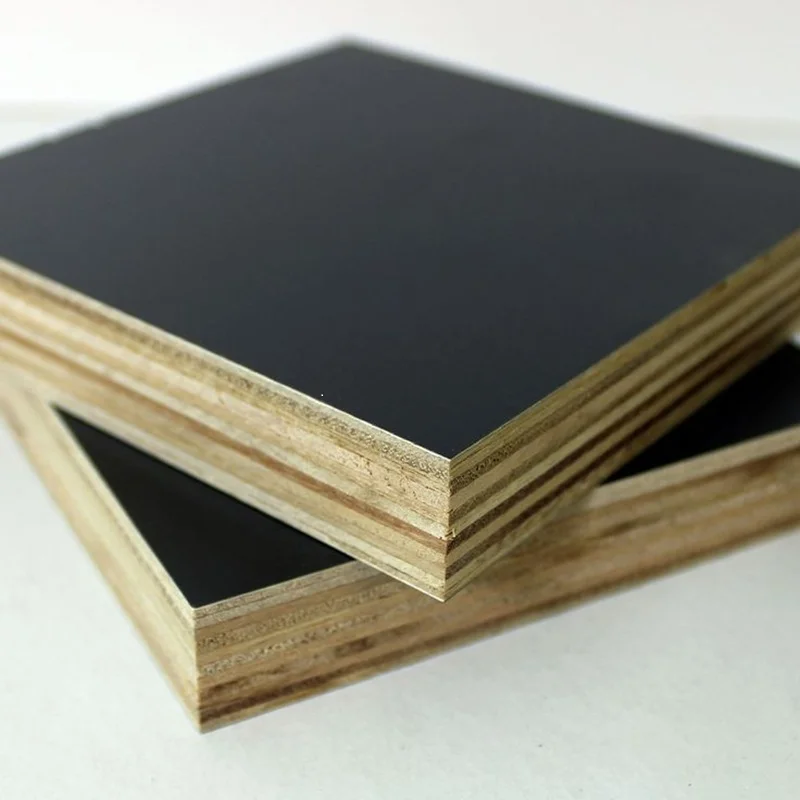
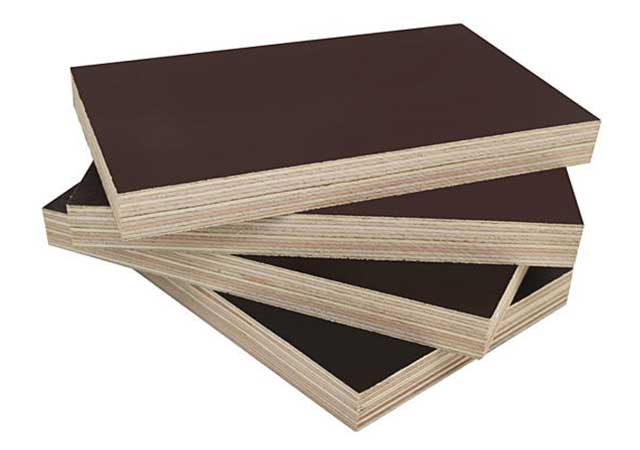
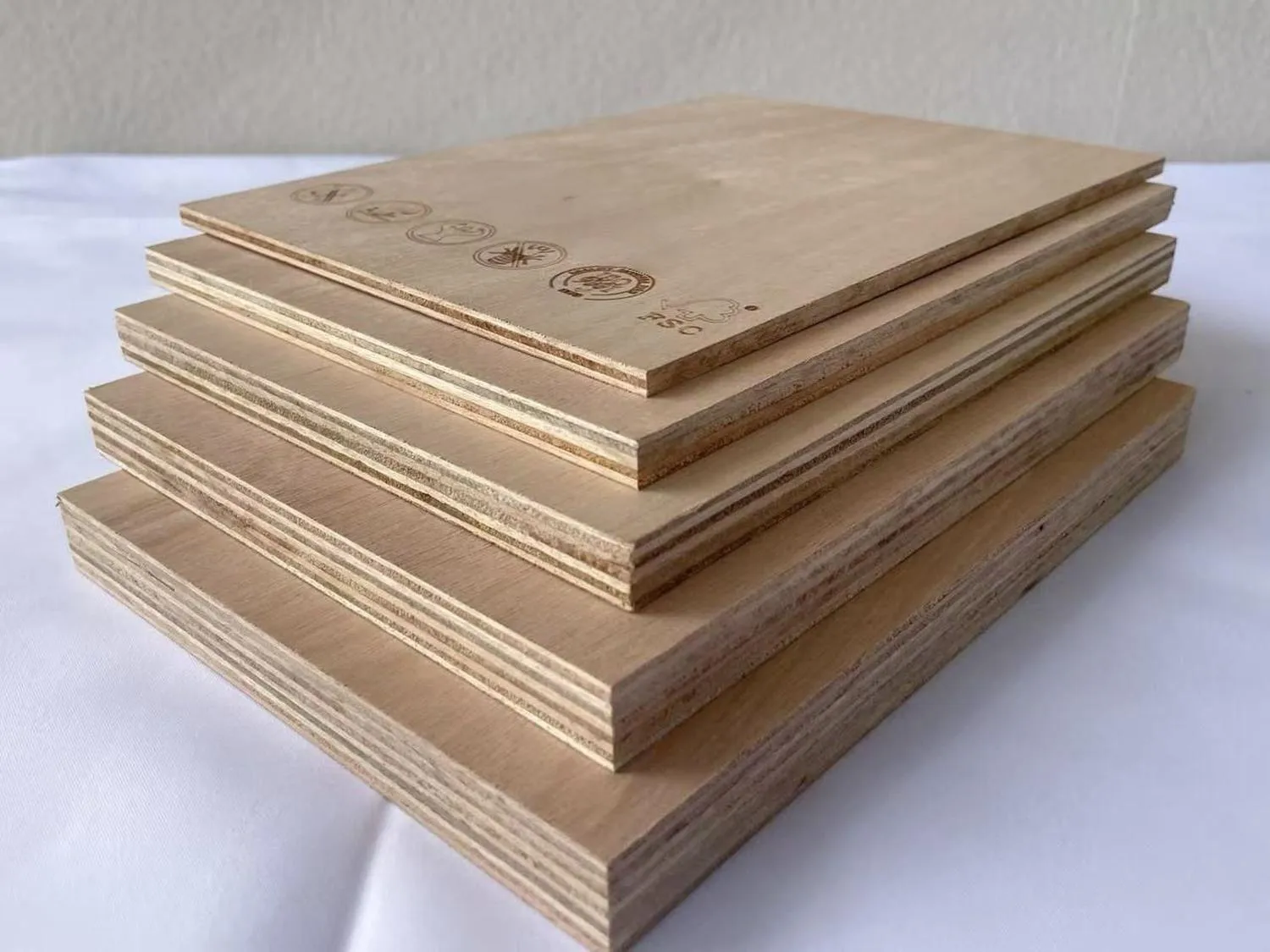
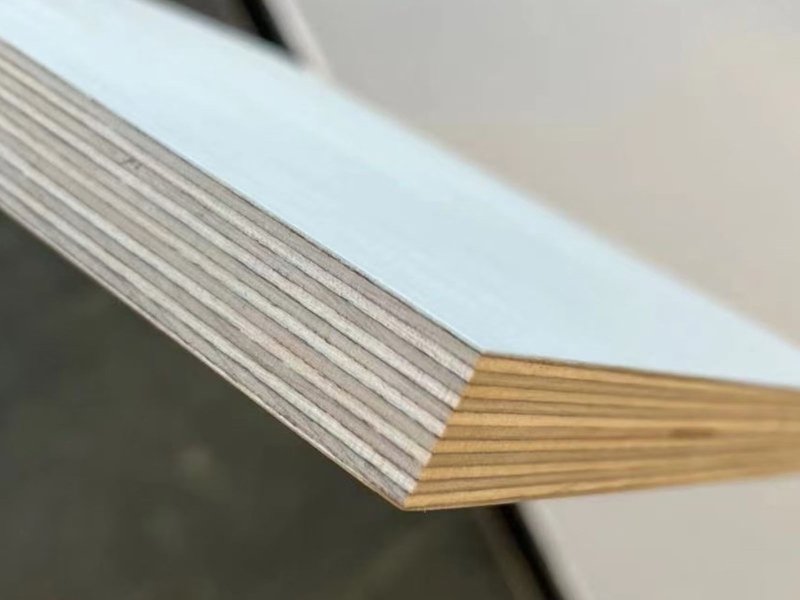
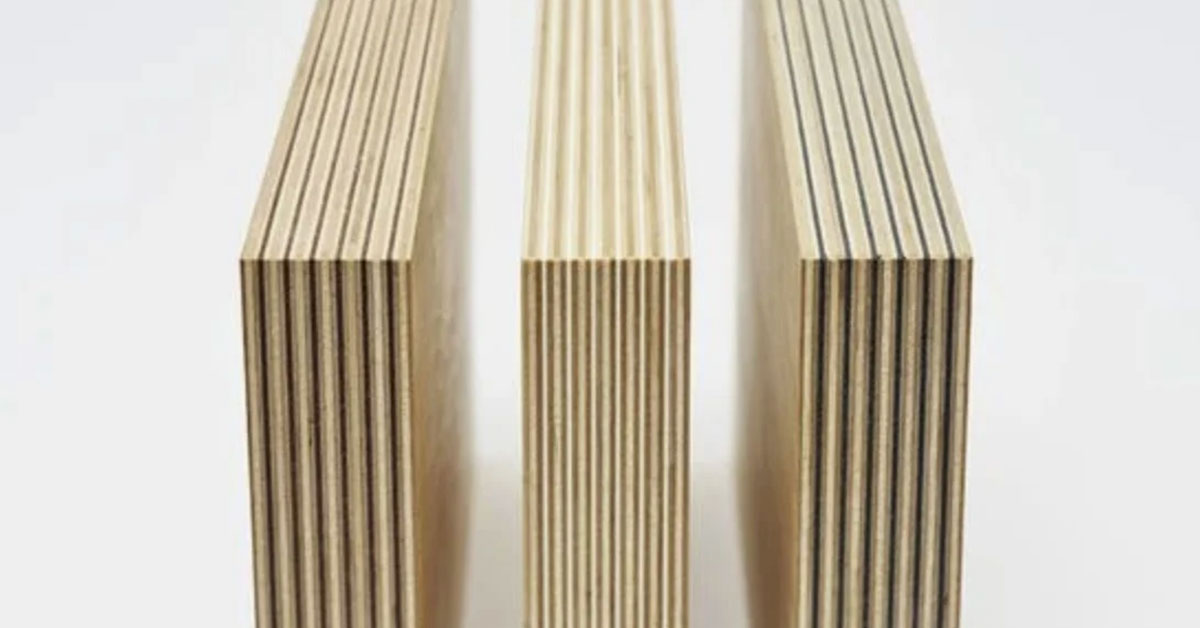
Marine Plywood is a high-performance, weather-resistant engineered wood panel manufactured with premium tropical hardwood veneers and a waterproof phenolic resin adhesive, specifically designed for demanding structural and non-structural applications in high-moisture environments. Its primary industrial use includes shipbuilding, dock construction, bridge formwork, and high-humidity container flooring. The key value proposition lies in its exceptional bond durability, resistance to delamination, and long service life under continuous exposure to water and humidity. Strategically, it is critical for global infrastructure and logistics sectors where standard plywood fails, reducing lifecycle replacement costs and ensuring structural integrity in mission-critical environments.
2. Key Specifications & Technical Characteristics
-
Material Components: 100% tropical hardwood veneers (e.g., Apitong, Keruing, or Birch); WBP (Weather Boiling Proof) phenolic resin adhesive compliant with EN 314 or AS/NZS 2272
-
Standard Compliance: BS 1088-1 (marine plywood standard), EN 314-2 Class 3 (exterior), optional Lloyds Register or ABS type approval
-
Physical Characteristics:
-
Thickness: 4mm to 25mm (standard: 12mm, 18mm)
-
Panel size: 1220 x 2440 mm (4’x8’), 1220 x 3050 mm
-
Color: Natural wood; sanded or unsanded finish
-
Density: 600–750 kg/m³ (depending on veneer species)
-
Glue line strength: Zero delamination after 72-hour boiling test
-
-
Packaging Options: Palletized with edge protectors, shrink-wrapped; export-grade sea-worthy plywood crates
-
Shelf Life: 24 months under dry, covered storage (original packaging)
3. Core Industrial Applications
-
Primary Industries: Shipbuilding & marine repair, heavy civil engineering, container manufacturing, truck & trailer flooring, architectural formwork
-
Specific Use Cases:
-
Marine: Boat hulls, decks, bulkheads, and cabin soles
-
Infrastructure: Concrete formwork for bridges, tunnels, and dams – withstands repeated wet-stripping cycles
-
Logistics: Flooring for shipping containers and flatbed trailers – resists forklift impact and moisture ingress
-
-
Why It Performs Better: Unlike CDX or exterior plywood, Marine Plywood has no core voids, uses only WBP adhesive (not merely water-resistant), and passes the 72-hour boil test without delamination. This translates to 3–5× longer service life in submerged or high-humidity conditions, lower failure risk, and reduced total cost of ownership (TCO).
4. Competitive Advantages
-
Quality Consistency: Traceable veneer sourcing; every batch subjected to boil delamination, shear strength, and moisture content testing per ISO 12466.
-
Supply Reliability: Dual-source manufacturing facilities (SE Asia & Eastern Europe) with 5,000+ m³ monthly output; buffer stock held in Rotterdam & Singapore.
-
Logistics Capability: In-house container loading optimization; door-to-door delivery with customs clearance support for 40+ countries.
-
Price Competitiveness: Direct mill contracts eliminate intermediary markups; volume-based tiered pricing with 30–60 day payment terms for credit-approved buyers.
-
Sustainability: FSC® certified upon request; formaldehyde emission levels meet E1 (EN 717-1) and CARB Phase 2.
-
Technical Support: Full engineering datasheet, SDS, and load-span tables provided; pre-shipment samples available.
5. Commercial & Supply Information
-
Minimum Order Quantity (MOQ): 20MT (approx. one standard 20’ container mix)
-
BULK 20MT Loading Capacity: 20 metric tons per 20’ dry container (palletized) or 20MT as loose-packed sheets without pallets for higher volume efficiency
-
Loading Capacity per Container:
-
20’ standard container: 20 MT (max cargo weight) / approx. 60–65 m³ of plywood
-
40’ high cube container: 26 MT / approx. 75–80 m³
-
Reviews
There are no reviews yet.