

Description
1. Product Overview
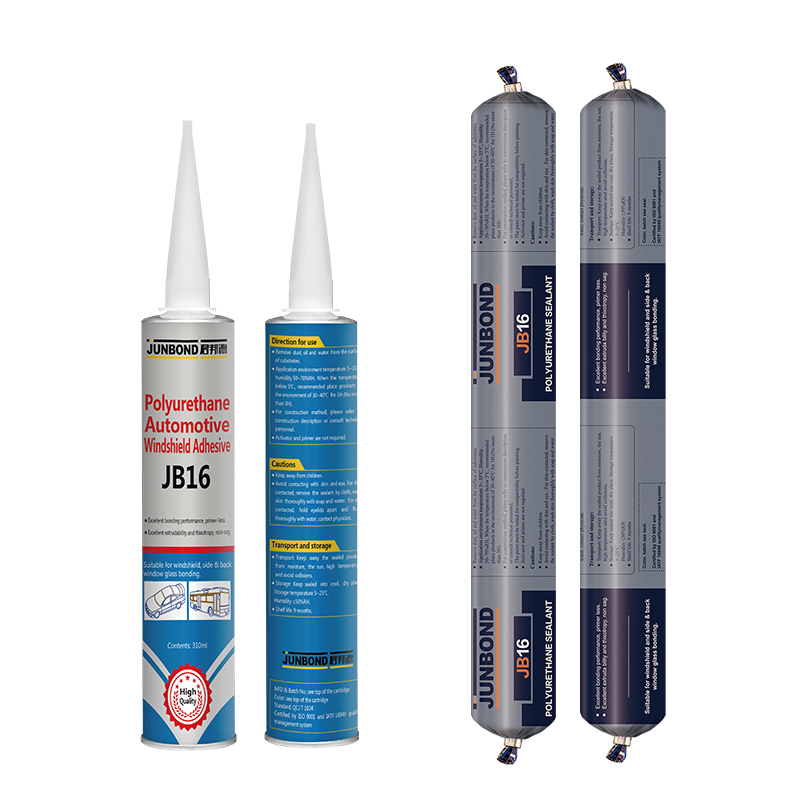
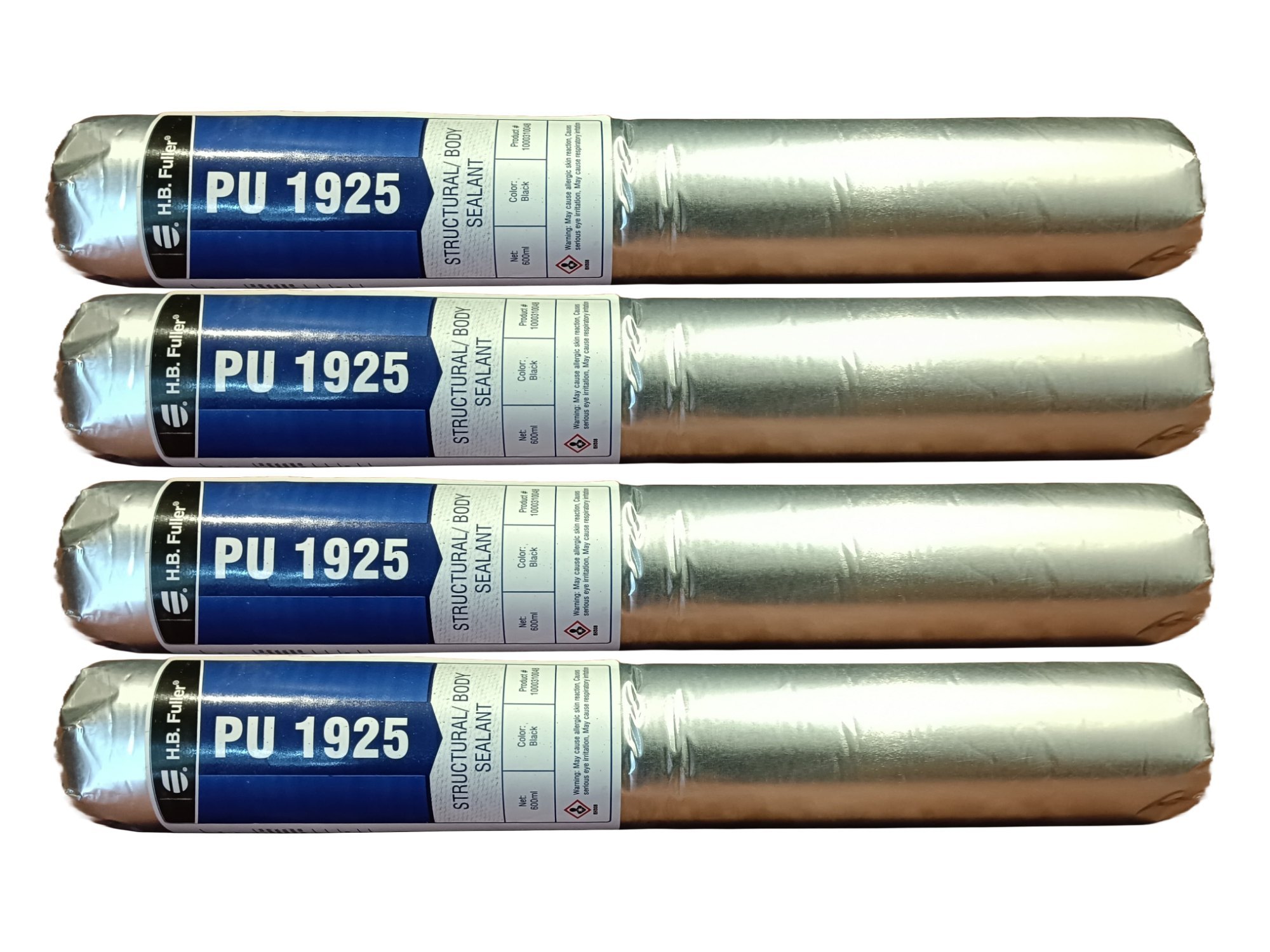
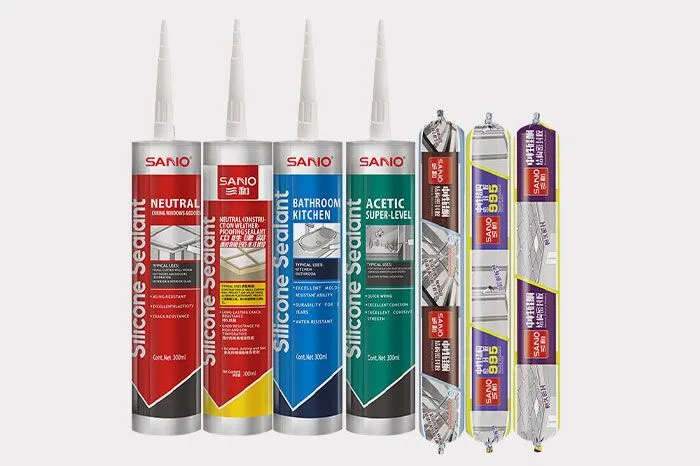
This dual-technology portfolio encompasses high-performance Polyurethane (PU) and Silicone sealants engineered for industrial-grade bonding, sealing, and gasketing. Primary applications include structural glazing, façade panel bonding, expansion joint sealing, and transportation assembly. The key value proposition is a uniquely balanced suite of elastic recovery, UV stability, and substrate adhesion—delivering lifecycle cost reduction through fewer maintenance cycles. Strategically, this product addresses the global shift toward lightweight construction and modular building systems, where joint movement tolerance and environmental resilience are non-negotiable.
2. Key Specifications & Technical Characteristics
-
Chemical composition
-
PU: Isocyanate-terminated prepolymer / Silicone: 100% RTV (Room Temperature Vulcanizing) polydimethylsiloxane
-
-
Grade / purity
-
Industrial professional grade (ISO 11600 F-25LM / ISO 7389 compliant)
-
-
Physical characteristics
-
Form: Non-sag paste
-
Color: Translucent, white, gray, black, and custom RAL
-
Density (cured): PU 1.20–1.35 g/cm³ / Silicone 1.05–1.15 g/cm³
-
Shore A hardness: PU 35–55 / Silicone 25–40
-
Movement capability: ±25% to ±50% (by variant)
-
-
Packaging options
-
310 ml cartridges, 600 ml sausages, 20 L pails, 200 L drums, and 1,000 L IBCs
-
-
Shelf life (unopened, controlled storage 5–30°C)
-
PU: 9 months
-
Silicone: 12–18 months
-
3. Core Industrial Applications
-
Primary industries
-
Building & construction (curtain wall, flooring, roofing, sanitary)
-
Transportation (bus/truck panel bonding, rail carriage sealing)
-
Marine (deck joints, porthole glazing)
-
HVAC (duct sealing, vibration damping)
-
-
Specific operational use cases
-
Structural glazing: Replaces mechanical fasteners for uniform stress distribution
-
Expansion joints in parking decks: Withstands freeze-thaw and salt exposure
-
Floor-to-wall coving in cleanrooms: Silicone’s mold resistance meets GMP standards
-
-
Performance advantage over alternatives
-
PU outperforms acrylics in dynamic load recovery (elasticity > 400% elongation)
-
Silicone outperforms PU in UV/ozone resistance (no chalking for 20+ years)
-
-
Efficiency / cost
-
Faster workability: Tooling time 20–30 min vs. 45 min for standard MS polymers
-
Lower total applied cost: 30% less material needed due to high gap-filling (up to 25 mm)
-
4. Competitive Advantages
-
Quality consistency
-
Batch-to-batch viscosity variation < ±5% (SOP-controlled hot-melt or moisture-cure lines)
-
-
Supply reliability
-
Three dedicated manufacturing hubs (Asia, Europe, US) with 99.3% on-time-in-full (OTIF) track record
-
-
Logistics capability
-
Flexitank, dry bulk containers, and palletized mixed-load shipping for just-in-time inventory
-
-
Price competitiveness
-
Tier-1 performance at tier-2 price point: typical 12–18% below Western European incumbents
-
-
Sustainability & environmental
-
Silicone variants: VOC < 30 g/L (LEED v4 compliant); PU variants: isocyanate content < 0.1% residual
-
Recyclable packaging and low-waste drum return program
-
-
Technical support
-
Full documentation: SDS, BIM objects, EN/ISO test reports, and on-site applicator training available
-
5. Commercial & Supply Information
-
Minimum order quantity (MOQ)
-
BULK: 20 MT (mixable by color/type at 5 MT per SKU)
-
Small packs: 5,000 units (cartridges or sausages)
-
-
Loading capacity (per 20 ft / 40 ft container)
-
Cartridges (310 ml): ~1,400 ctns (30,800 pcs) per 20 ft
-
Drums (200 L): 80 drums per 20 ft (16 MT)
-
IBC (1,000 L): 18 IBCs per 20 ft (18 MT)
-
Mixed bulk: 22–24 MT per 20 ft container
-
Reviews
There are no reviews yet.