
Description
1. Product Overview
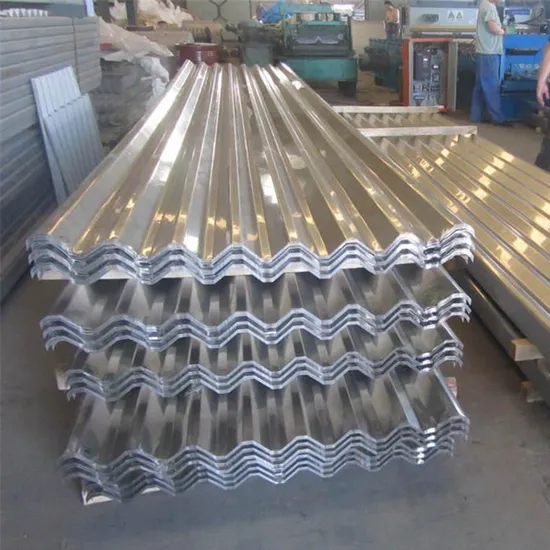
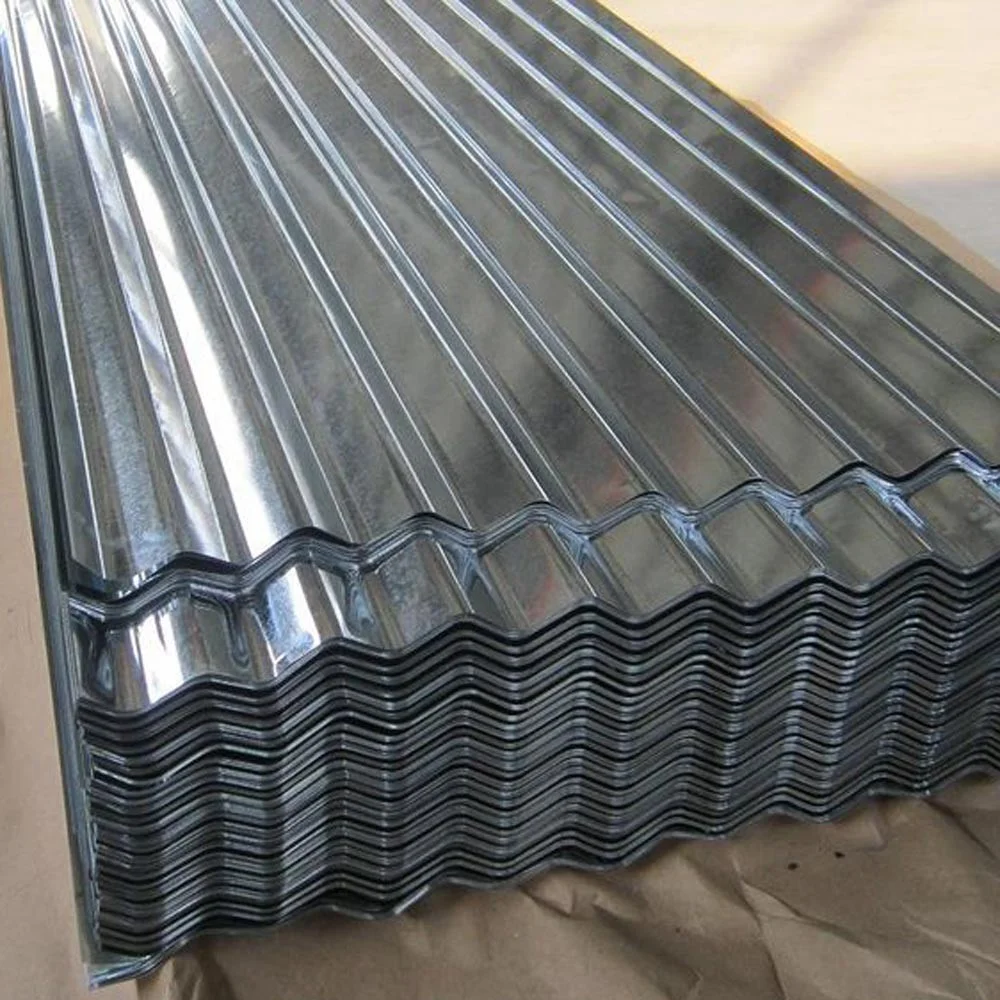
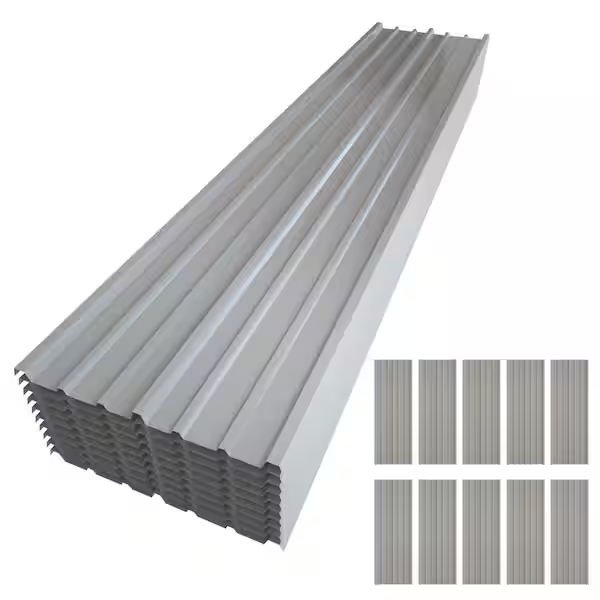
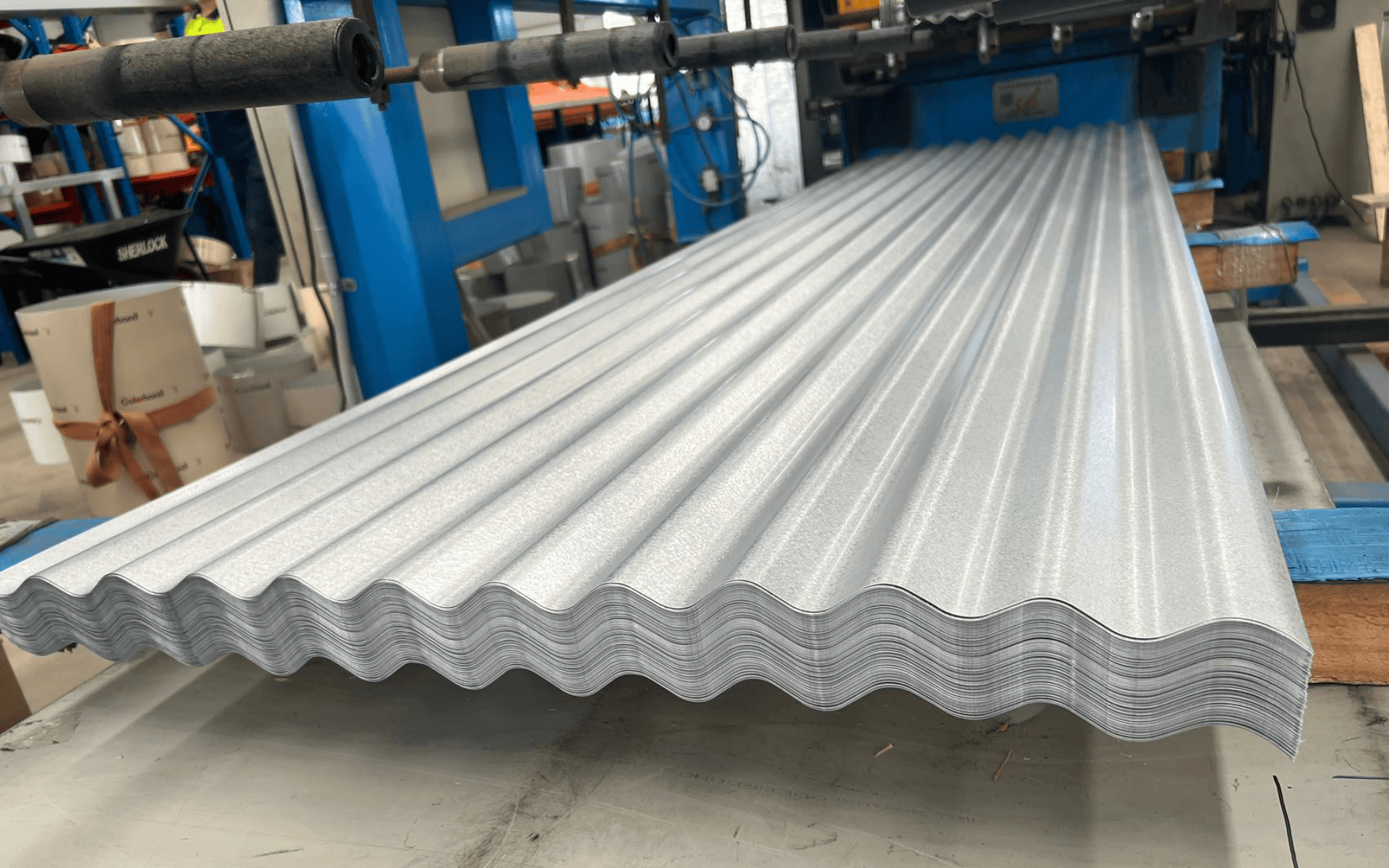
Corrugated Steel Sheets are high-tensile, cold-rolled or hot-dipped galvanized steel panels engineered for structural cladding, roofing, and load-bearing wall systems in industrial and infrastructure projects. Their primary industrial use spans large-scale construction, agricultural facilities, and modular warehousing, where dimensional stability and corrosion resistance are non-negotiable. The key value proposition is an optimized strength-to-weight ratio combined with lifecycle cost predictability — making them a strategically essential material for buyers seeking to reduce maintenance cycles and improve project ROI in harsh or high-humidity environments.
2. Key Specifications & Technical Characteristics
-
Material composition: Commercial steel (ASTM A653 / JIS G3302) with G90, G115, or Z275 galvanized coating; optional AZ50 Aluzinc.
-
Grade / yield strength: 230 MPa to 550 MPa (SS Grade 33 to 80 equivalent).
-
Physical characteristics:
-
Thickness: 0.12 mm to 1.2 mm (26–10 gauge)
-
Profile pitch: 76 mm, 88 mm, or custom (trapezoidal T35, T55)
-
Height: 18 mm to 75 mm corrugation
-
Finish: Smooth, mini-rib, or embossed; standard color: unpainted galv or PVDF / polyester coat (RAL codes)
-
-
Density: 7,850 kg/m³ (base steel)
-
Packaging options:
-
Export seaworthy bundles (0.5–3 MT per unit)
-
Palletized with edge protectors + anti-rust VCI paper
-
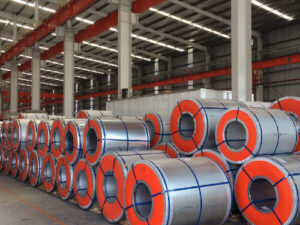
Naked coil or cut-to-length (CTL) sheets on wooden skids
-
-
Shelf life: >24 months in dry, covered storage; galvanized sheets show no white rust under recommended humidity (<60% RH)
3. Core Industrial Applications
-
Primary industries: Prefab building construction, agricultural sheds, logistics centers, tunnel lining, and emergency shelter manufacturing.
-
Operational use cases:
-
Roofing and vertical cladding for cement plants, grain silos, and cold storage
-
Formwork for cast-in-place concrete (reusable corrugated decking)
-
Crash barriers and acoustic panels on highway projects
-
-
Performance advantage: Unlike flat sheets or fiber cement, corrugation provides 4× higher moment of inertia per unit mass, allowing longer spans without secondary purlins. Hot-dip galvanizing outperforms standard painted sheets in salt-spray tests by 800+ hours to red rust. Cost per square meter installed is typically 15–20% lower than aluminum or coated FRP over a 15-year horizon.
4. Competitive Advantages
-
Quality consistency: Each batch verified via 3-point bend test, coating thickness gauge (magnetic), and salt spray (ASTM B117) — certificate of analysis (COA) included.
-
Supply reliability: Multi-mill sourcing (Asia, GCC, Eastern Europe) with buffer stock at bonded warehouses; lead time 15–25 days ex-mill, 5–7 days ex-stock.
-
Logistics capability: Direct container loading or break-bulk; rail-flatbed compatible crating for inland delivery.
-
Price competitiveness: LME steel linkage with quarterly fixed pricing options for contract volumes (>500 MT/year).
-
Environmental & technical support: 100% recyclable; EPD available upon request. CAD details + load-span tables provided by in-house structural engineers.
5. Commercial & Supply Information
-
Minimum order quantity (MOQ): 20 metric tons (MT) – can be split across 2–3 profiles or coating types in one shipment.
-
Loading capacity (MT per container):
-
20-ft dry container: max 18 MT (sheet bundles only; pallets reduce to 16 MT)
-
40-ft high cube container: max 24 MT (optimal for CTL sheets up to 3.6m length)
-
Note: Full vessel load (FCL) recommended for >20 MT; break-bulk vessel capacity: 250–500 MT per hatches.
-
Reviews
There are no reviews yet.