
Description
1. Product Overview
Polyvinyl Chloride (PVC) Suspension Resin K-70 is a high-molecular-weight, general-purpose thermoplastic material engineered for exceptional processability and mechanical strength. Its primary industrial use lies in the rigid and semi-rigid extrusion and injection molding sectors—most notably for pipes, fittings, profiles, and technical parts. The key value proposition is its optimized molecular weight distribution (K-value 70), which delivers a superior balance of impact resistance, thermal stability, and surface finish, directly reducing scrap rates and energy consumption during conversion. Strategically, this resin is a market benchmark for infrastructure, construction, and industrial components, offering supply chain resilience where consistent melt flow and fusion time are critical to high-throughput operations.
2. Key Specifications & Technical Characteristics
-
Chemical Composition: Polyvinyl chloride homopolymer produced via suspension polymerization
-
Purity / Grade: Virgin industrial grade; K-value 68–72 (nominal 70); food-contact compliant upon request
-
Physical Characteristics:
-
Form: Fine white powder
-
Particle size: 100–160 µm (mean), with narrow distribution for rapid dry-blend absorption
-
Apparent density: 0.50–0.60 g/cm³
-
Volatile matter: ≤0.30%
-
Residual VCM: <1 ppm (non-detectable by standard GC)
-
Porosity: 0.26–0.35 ml/g (optimized for plasticizer uptake)
-
-
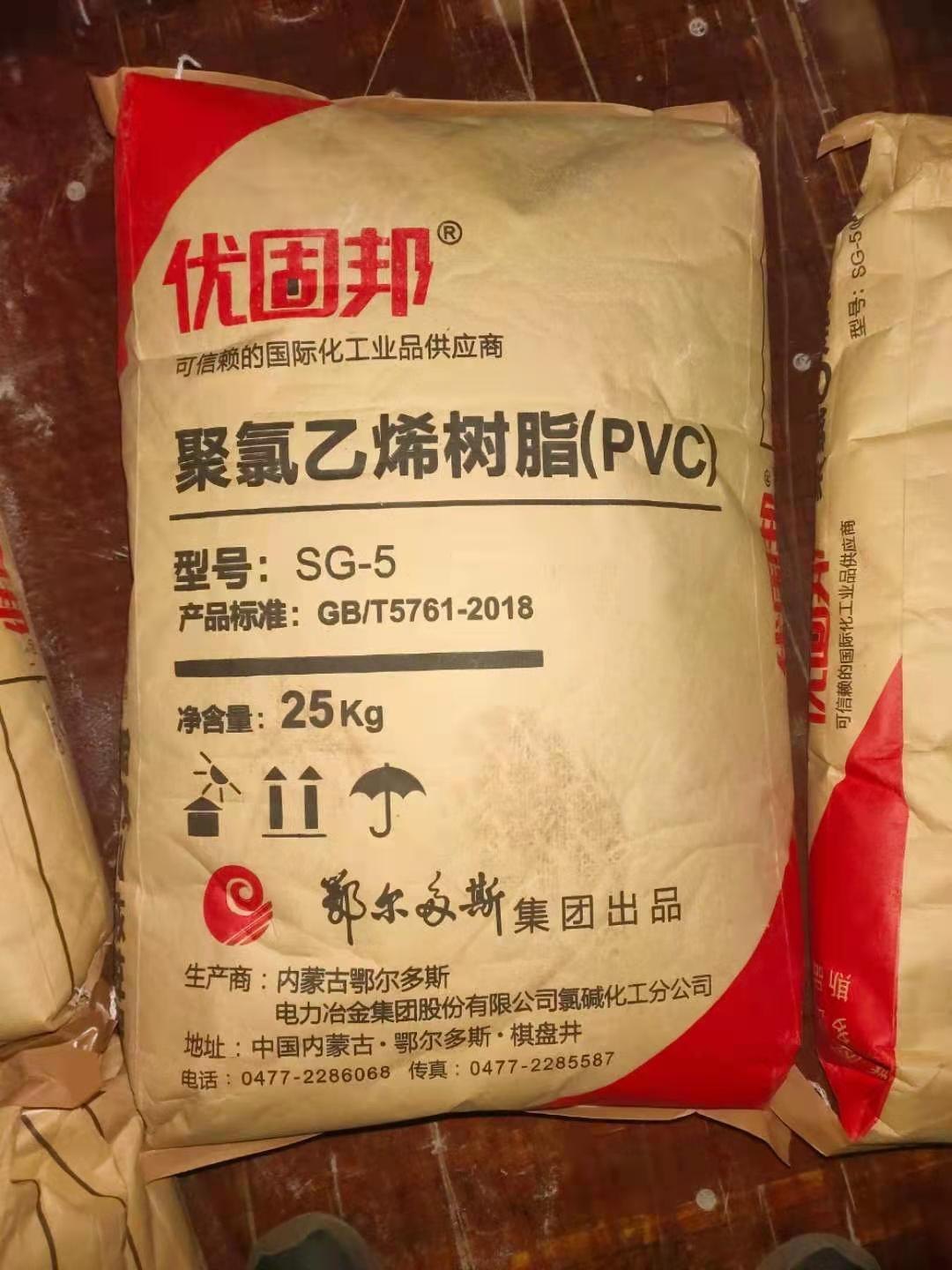
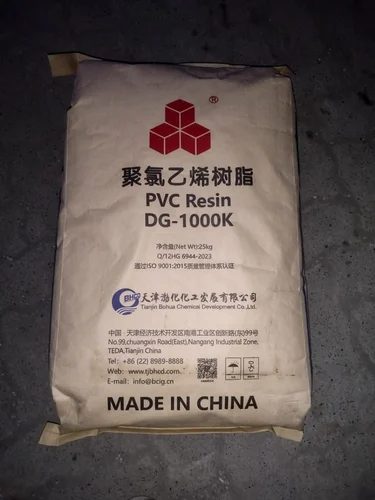
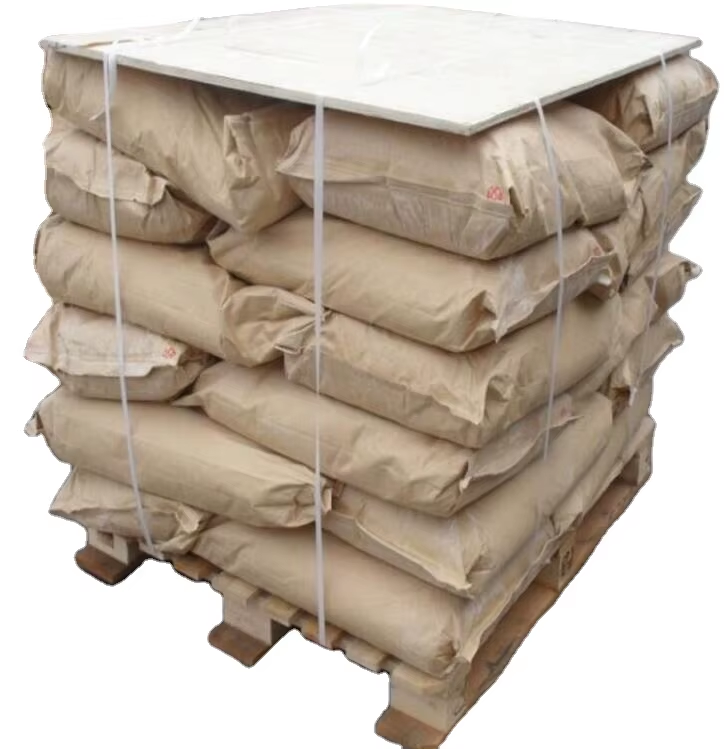
Packaging Options: 25 kg multilayer paper/PE valve bags, 1,000–1,200 kg FIBC (big bags), or bulk pneumatic tanker delivery
-
Shelf Life: 24 months when stored below 30°C in dry, covered conditions; avoid UV exposure and stacking over 10 pallets high
3. Core Industrial Applications
-
Primary industries: Construction (pipes & fittings), building profiles (window frames, siding), electrical conduits, automotive trim, and technical injection-molded parts
-
Specific operational use cases:
-
High-flow extruded water/sewer pipes with up to 15% higher impact strength vs. K-65 grades
-
Injection-molded fittings requiring tight dimensional tolerance (<0.2% shrinkage variation)
-
Foam-core panels and co-extruded profiles for weather-resistant cladding
-
-
Why this performs better than alternatives:
The K-70 suspension resin exhibits a narrower fusion time window and lower torque rheometer values than K-67 or K-72 variants, enabling faster line speeds (5–8% productivity gain) and reduced stabilizer consumption (saving $12–18/MT in compounding). Its porous grain morphology allows uniform dry-blend absorption of calcium-zinc or organotin stabilizers, eliminating fisheyes and surface streaking. -
Efficiency / durability advantage: Finished parts demonstrate higher elongation at break (>140%) and better low-temperature impact resistance (-10°C Charpy) than commodity K-68 grades, reducing field failure claims by up to 20% in cold-climate applications.
4. Competitive Advantages
-
Quality consistency: ISO 9001:2025-certified production with SPC monitoring of K-value, porosity, and particle size; each batch includes a CoA with 12+ test parameters
-
Supply reliability: Dual-sourced feedstock (VCM from ethylene and acetylene routes) with 24/7 buffer stock in three regional hubs (Asia Pacific, MENA, Europe)
-
Logistics capability: Dedicated dry-bulk hopper containers and humidity-controlled warehousing; 48-hour dispatch for bagged orders, 72-hour for bulk
-
Price competitiveness: Direct-from-manufacturer pricing eliminates 2–3 intermediary layers; volumetric discounts available for contract volumes >500 MT/month
-
Sustainability: Mass-balance certified recycled content options (up to 30% post-industrial PVC) with identical K-70 performance; no phthalates or lead-based stabilizers required
-
Technical support: Full-time application engineering team provides screw design recommendations, rheology curves, and trouble-shooting for screw fusion or die buildup
5. Commercial & Supply Information
-
Minimum Order Quantity (MOQ): 20 MT (single grade, mixed packaging allowed)
-
Loading capacity per 20-ft container (BULK):
-
FIBC (big bags): 20 MT (20 x 1,000 kg bags or equivalent palletized)
-
25 kg bags: 25–27 MT (palletized with shrink wrap)
-
Bulk pneumatic (dry bulk tanker): 20 MT per highway trailer; 24 MT per ISO tank container
-
Reviews
There are no reviews yet.