
Description
1. Product Overview
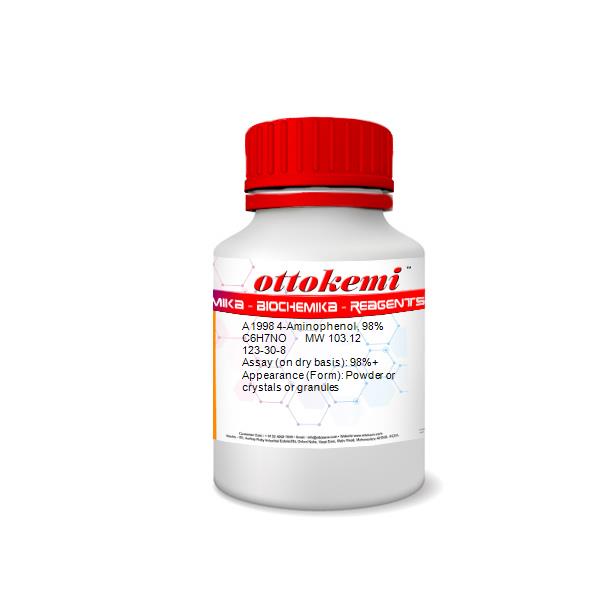
4-Aminophenol is a high-purity organic intermediate and a critical building block for the global specialty chemical and pharmaceutical industries. Its primary industrial use is as the key precursor in the synthesis of paracetamol (acetaminophen), as well as in the production of photographic developers, corrosion inhibitors, and certain dye compounds. The key value proposition lies in its consistent reactivity and trace-metal purity, which directly reduces downstream purification costs and increases final product yield. Strategically, with the ongoing expansion of analgesic markets and specialty chemical manufacturing, securing a reliable, specification-grade source of 4-Aminophenol is a decisive factor in maintaining uninterrupted, cost-efficient production.
2. Key Specifications & Technical Characteristics
-
Chemical composition: 4-Aminophenol (C₆H₇NO); CAS No. 123-30-8
-
Purity level / Grade: ≥99.0% – 99.5% (Industrial / Pharma-intermediate grade); low p-chlorophenol impurity profile
-
Physical characteristics:
-
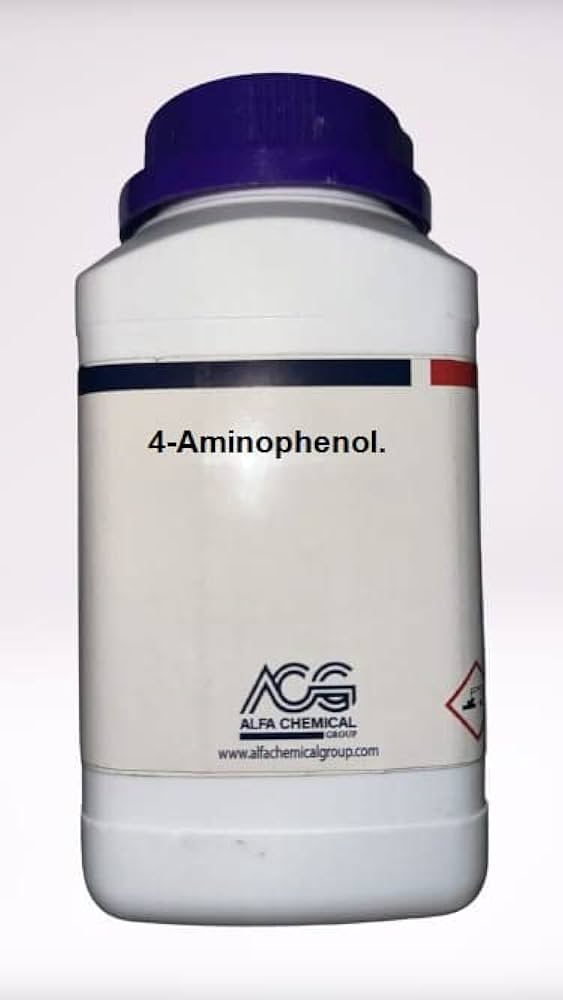
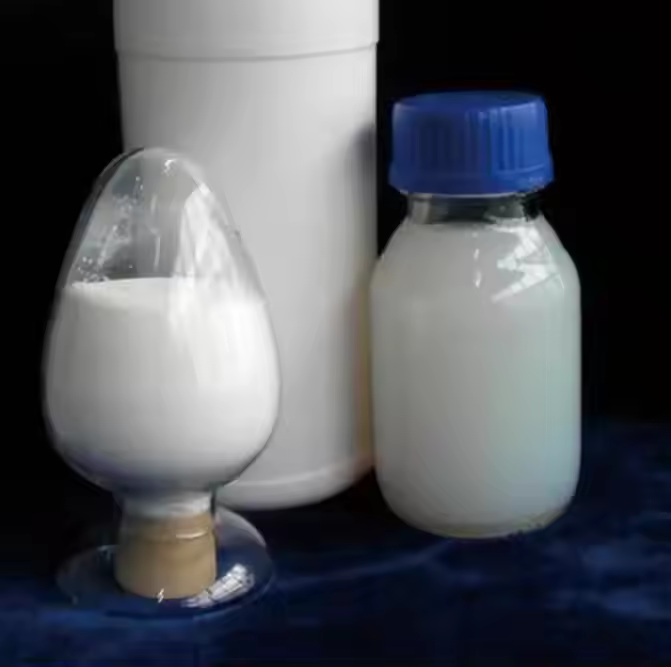
Form: Fine crystalline powder
-
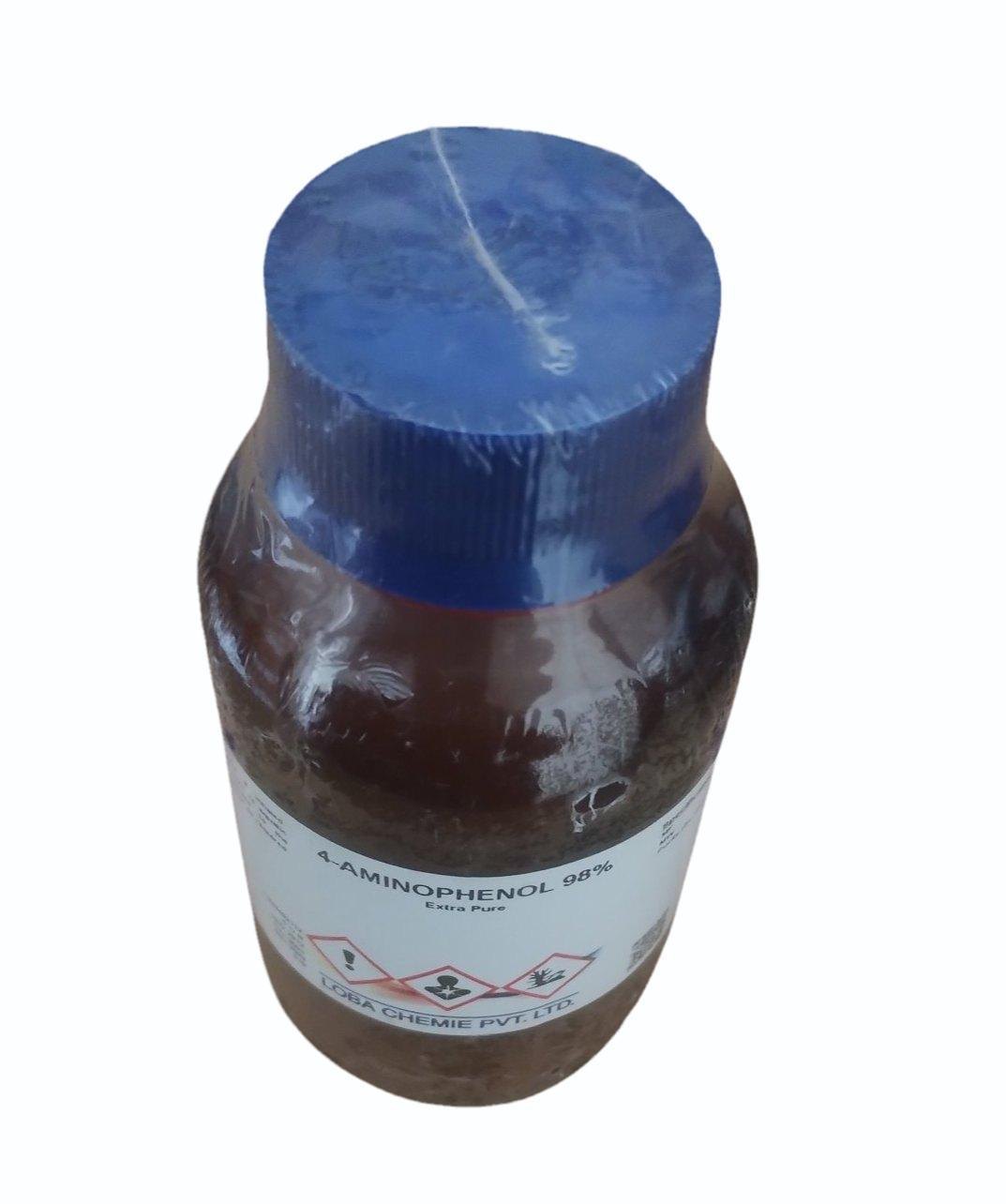
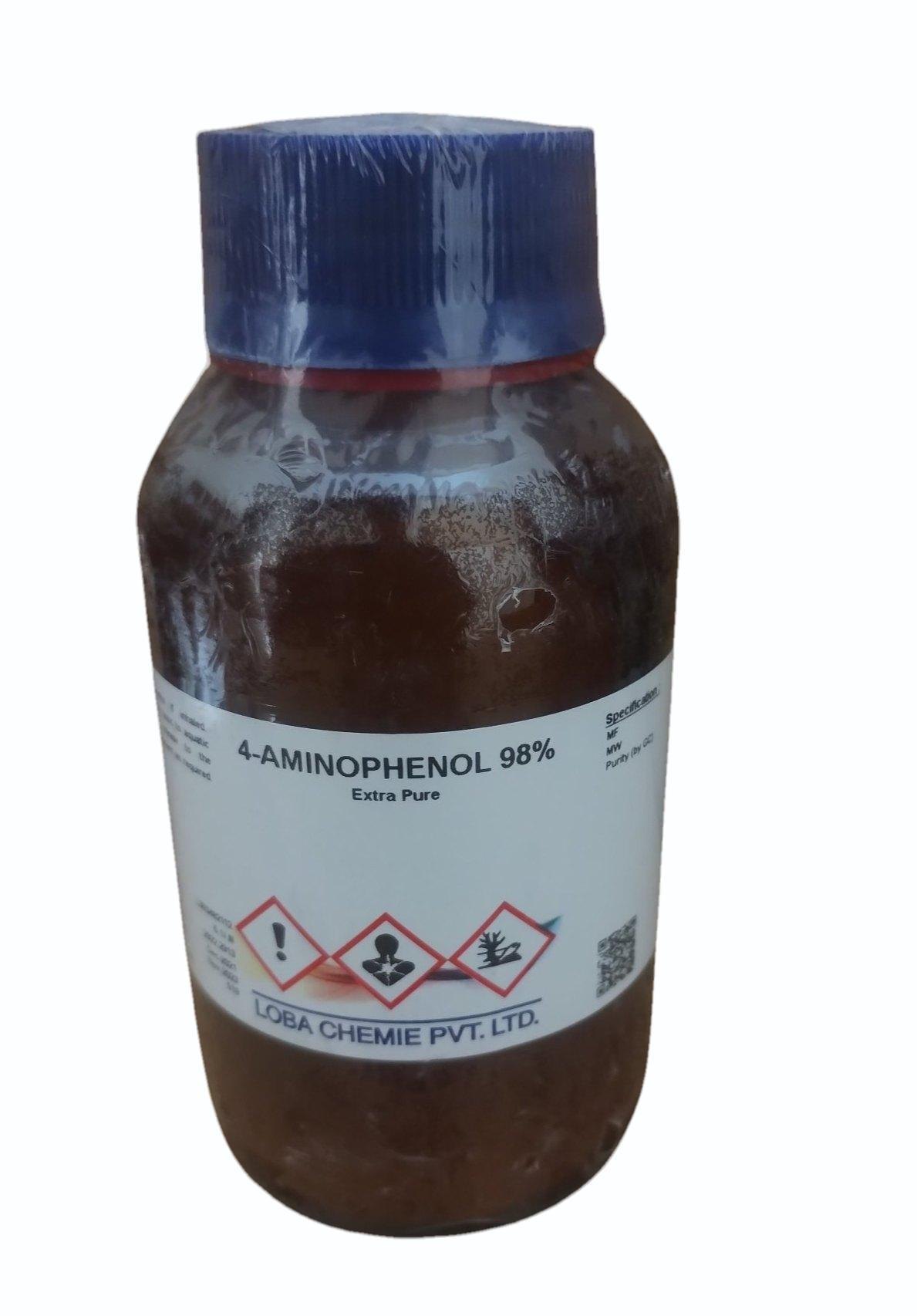
Color: White to off-white (light tan allowed for industrial grade)
-
Bulk density: 350–450 kg/m³
-
Melting point: 185–190°C
-
-
Packaging options: 25 kg net multi-wall kraft paper bags with inner PE liner; 500 kg supersacks; 750 kg fiber drums
-
Shelf life: 24 months from date of manufacture when stored in sealed, dry, cool conditions (below 30°C, away from oxidizing agents)
3. Core Industrial Applications
-
Primary industry – Pharmaceuticals: Used as the direct precursor in the reductive alkylation process for paracetamol (acetaminophen) production. This product outperforms alternative routes (e.g., nitrophenol reduction) due to its lower heavy-metal residue, which reduces catalyst poisoning and waste treatment costs.
-
Primary industry – Photographic chemicals: Serves as a developing agent in black-and-white film and paper developers. Its superior stability in alkaline solutions yields consistent image contrast and lower sludge formation compared to substituted aminophenol analogs.
-
Primary industry – Polymer additives: Applied as a corrosion inhibitor in industrial coatings and as a stabilizer in certain rubber formulations. Cost advantage derives from its lower dosage requirement (0.5–1.5% by weight) versus phenolic alternatives.
-
Primary industry – Dyes & pigments: Intermediate for azo dyes and sulfur dyes. Enables brighter shade control and fewer off-spec batches due to high isomeric purity.
4. Competitive Advantages
-
Quality consistency: Batch-to-batch purity variance <0.2%; supplied with Certificate of Analysis (CoA) per ISO 9001:2021 standards.
-
Supply reliability: Dedicated multi-source production lines (China, India, Europe) with 50,000 MT annual capacity; safety stock held in regional bonded warehouses.
-
Logistics capability: 7-day average lead time to major ports (Rotterdam, Houston, Shanghai, Jebel Ali); temperature-controlled container options available.
-
Price competitiveness: Long-term contracts at fixed quarterly pricing with volume-based tiered discounts; no hidden surcharges for drum vs. bulk packaging.
-
Sustainability & compliance: REACH and TSCA registered; zero liquid discharge (ZLD) manufacturing process for select supply chains; non-hazardous shipping classification (UN 2512, Class 6.1, Packing Group III).
-
Technical support: Full Material Safety Data Sheet (MSDS), stability study data, and method validation support for downstream reactions provided on request.
5. Commercial & Supply Information
-
Minimum order quantity (MOQ): 10 MT (flexible sample orders of 25 kg available for qualification)
-
Bulk loading capacity: 20 MT per 20-foot container (net weight)
-
Loading capacity (MT per container):
-
20-foot standard dry container: 20 MT (palletized, 25 kg bags)
-
40-foot high cube container: 24 MT (supersacks)
-


Reviews
There are no reviews yet.