
Description
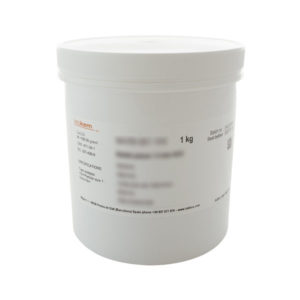
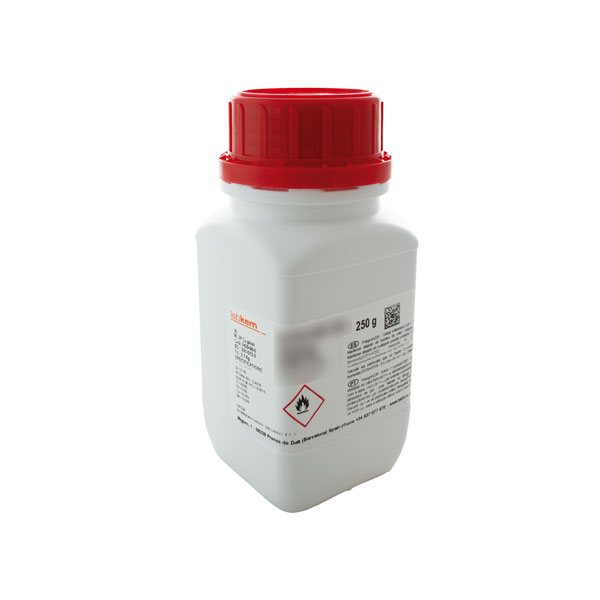
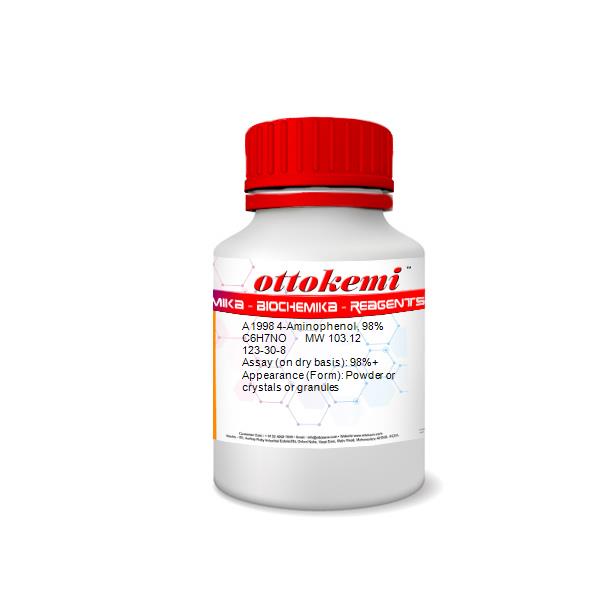
4-Aminophenol: A Versatile Compound with Diverse Applications
4-Aminophenol, also known as p-aminophenol, is an organic compound with the chemical formula C₆H₇NO. It’s characterized by a benzene ring substituted with both an amino (-NH₂) and a hydroxyl (-OH) group in the para (1,4) position. This unique structural arrangement grants 4-aminophenol a wide range of chemical properties, making it a versatile compound with applications spanning across various industries, from pharmaceutical manufacturing to photography.
Key Properties and Characteristics:
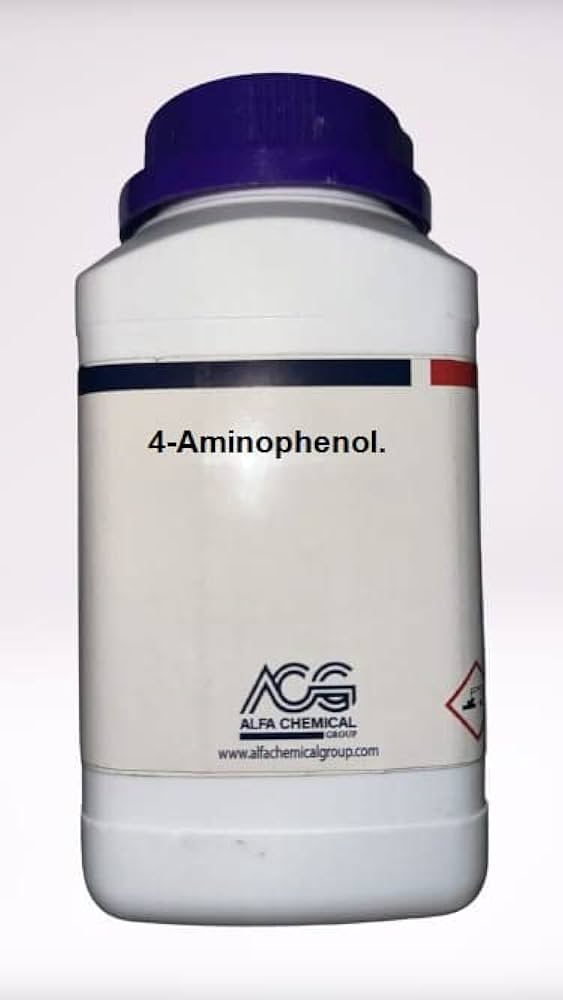
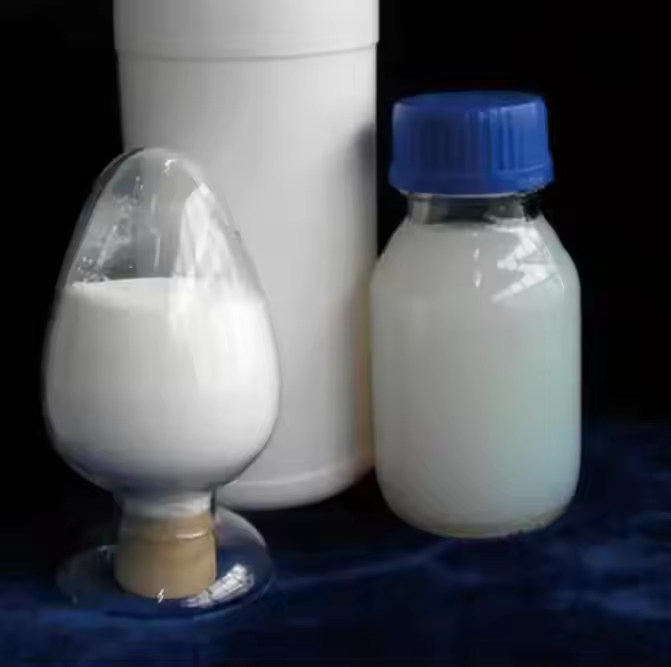
- Appearance: Typically appears as white or off-white crystals or a powder.
- Slightly Soluble in Water: Solubility increases with pH.
- Amphoteric Nature: Possesses both acidic (due to the hydroxyl group) and basic (due to the amino group) properties.
- Reduces Silver Halides: This reducing property is crucial for its application in photographic developers.
- Susceptible to Oxidation: Can readily oxidize in air and under alkaline conditions, leading to discoloration.
Synthesis and Production:
4-Aminophenol can be synthesized through various methods, with the most common being:
- Reduction of Nitrobenzene: Catalytic hydrogenation or chemical reduction of nitrobenzene is a frequently used route.
- Hydrolysis of P-Chloronitrobenzene: Another method involves hydrolyzing p-chloronitrobenzene, often under alkaline conditions.
Applications Across Industries:
The unique chemical properties of 4-aminophenol contribute to its wide range of applications:
- Pharmaceutical Industry: 4-Aminophenol is a crucial intermediate in the synthesis of several pharmaceuticals, notably:
- Paracetamol (Acetaminophen): One of the most widely used pain relievers and fever reducers. It is synthesized through acylation of the amino group in 4-aminophenol with acetic anhydride or acetyl chloride.
- Other Drugs: It serves as a building block in the production of various other drugs.
- Photography: It acts as a developing agent. It reduces silver halide crystals in exposed film or paper to metallic silver, creating a visible image.
- Dyestuffs and Pigments: 4-Aminophenol is used in the production of certain dyes and pigments. It can be diazotized and coupled with various aromatic compounds to produce azo dyes.
- Corrosion Inhibitors: It can be used as a corrosion inhibitor, protecting metal surfaces from degradation.
- Chemical Research: Serves as a valuable reagent in chemical synthesis and research due to its reactive functional groups.
Safety Considerations:
While a versatile compound, 4-aminophenol necessitates careful handling and use due to potential health hazards:
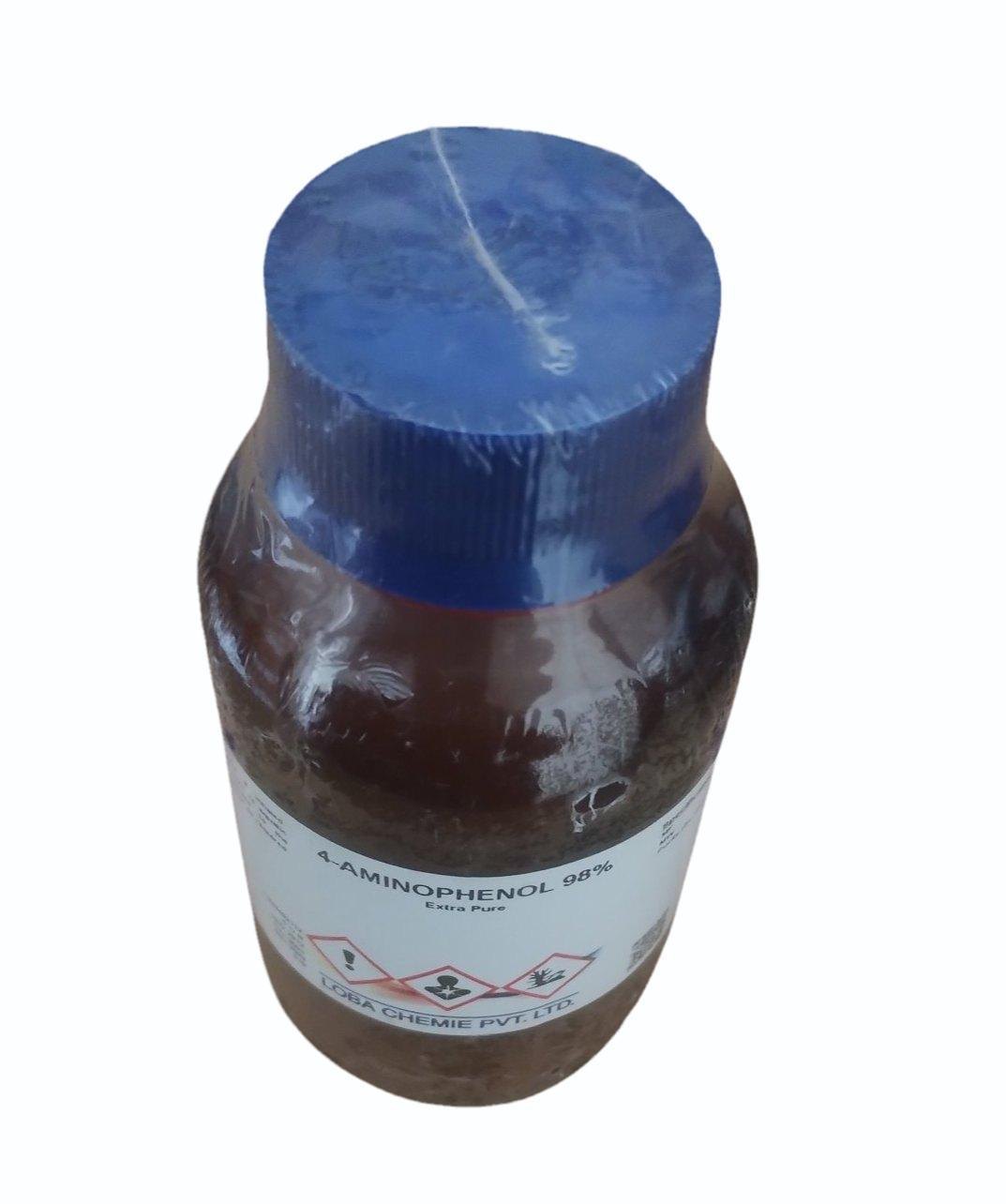
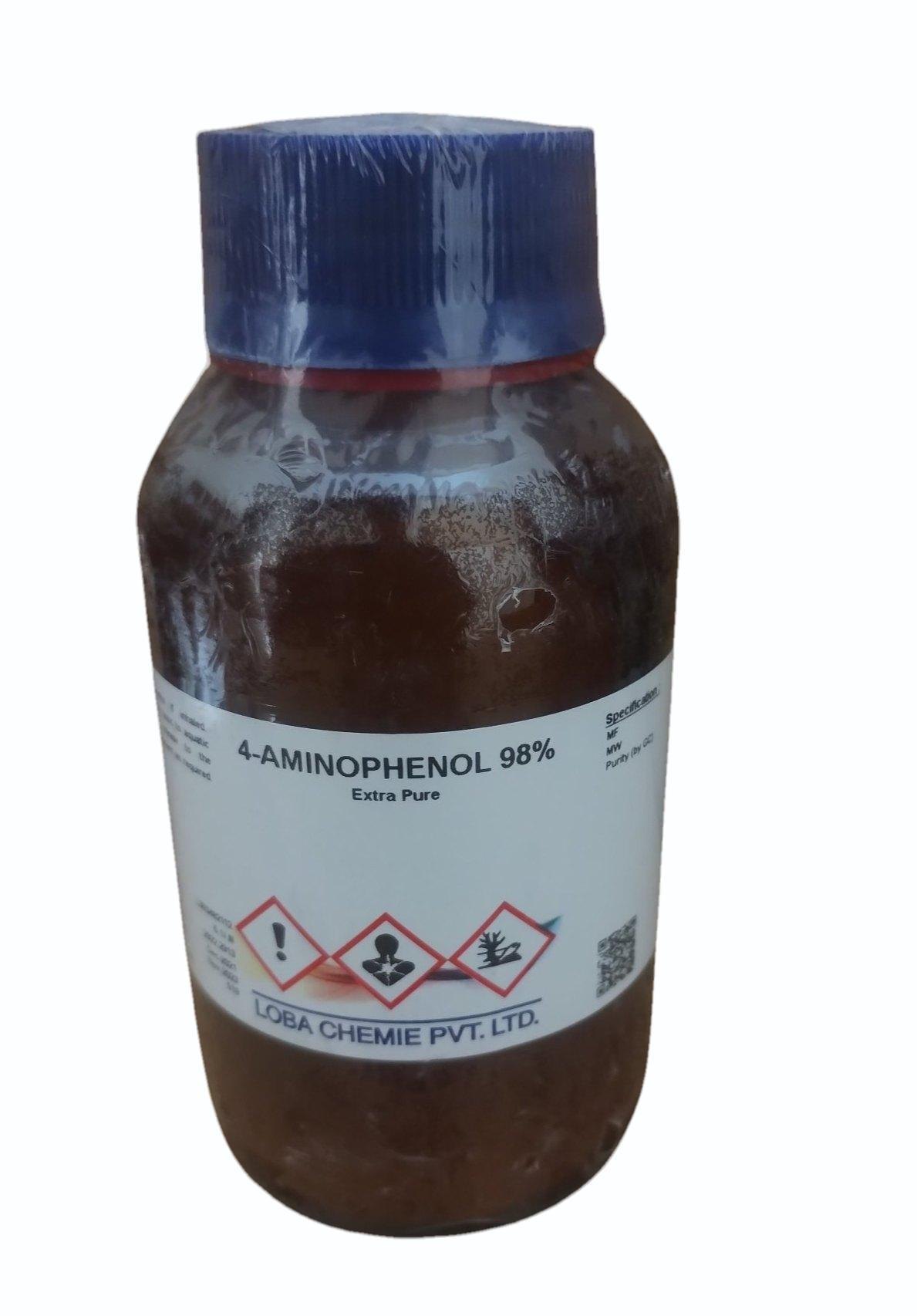
- Irritant: Can cause irritation to the skin, eyes, and respiratory tract.
- Toxic: May be harmful if swallowed, inhaled, or absorbed through the skin.
- Environmental Concerns: Its release into the environment should be minimized.
Appropriate personal protective equipment (PPE), such as gloves, eye protection, and respiratory masks, should be worn when handling 4-aminophenol. Adequate ventilation is crucial when working with it in laboratory or industrial settings. Proper disposal methods should be adhered to in accordance with local regulations.
Conclusion:
4-Aminophenol is a multifaceted organic compound that plays a critical role in various industries. Its involvement in the synthesis of paracetamol alone underscores its immense importance. Its unique chemical properties, combined with careful handling, make 4-aminophenol a valuable tool in pharmaceutical manufacturing, photography, and other chemical applications. Further research and development continue to uncover new potential applications for this versatile compound, promising to cement its position as an important chemical building block for years to come.



Reviews
There are no reviews yet.