
Description
1. Product Overview
Yttrium Oxide (Y₂O₃) at 99.99% purity (4N) is a high-performance rare earth compound essential for advanced ceramics, phosphors, and optical coatings. Its primary industrial use is as a critical raw material in LED phosphors, ceramic laser host materials, and high-temperature protective coatings for aerospace components. The key value proposition is its exceptional thermal stability, low phonon energy, and optical clarity, which directly enhance device efficiency and longevity. Strategically, this product is vital for global transition to energy-efficient lighting, 5G ceramics, and next-generation solid-state lasers.
2. Key Specifications & Technical Characteristics
-
Chemical Composition: Y₂O₃ (Yttrium Oxide)
-
Purity Level: ≥ 99.99% (4N) – with < 100 ppm total rare earth impurities; specifically low levels of Fe, Si, Ca, and Cu for optical-grade performance.
-
Physical Characteristics:
-
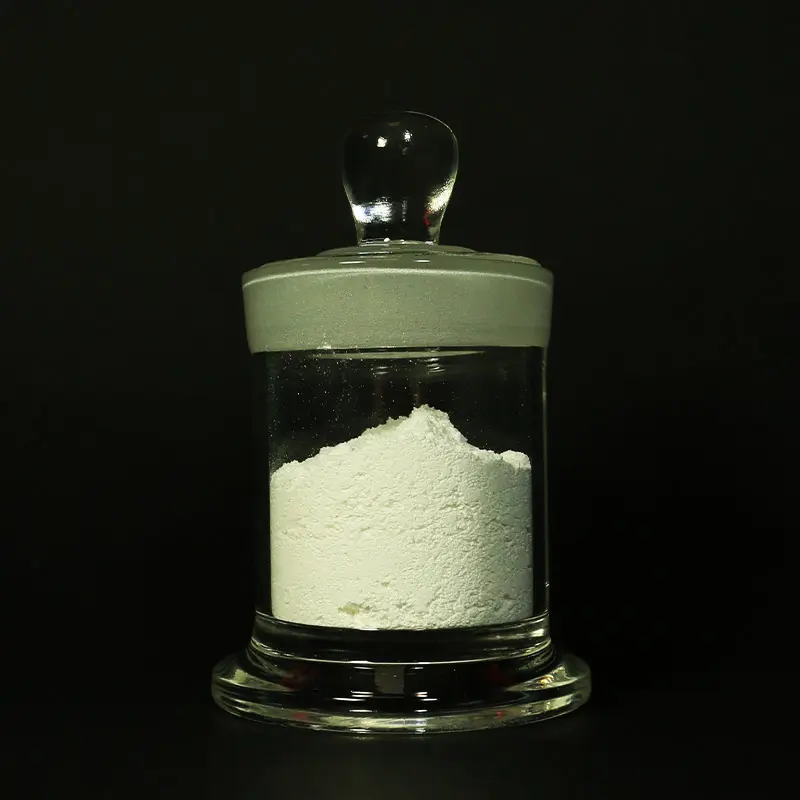
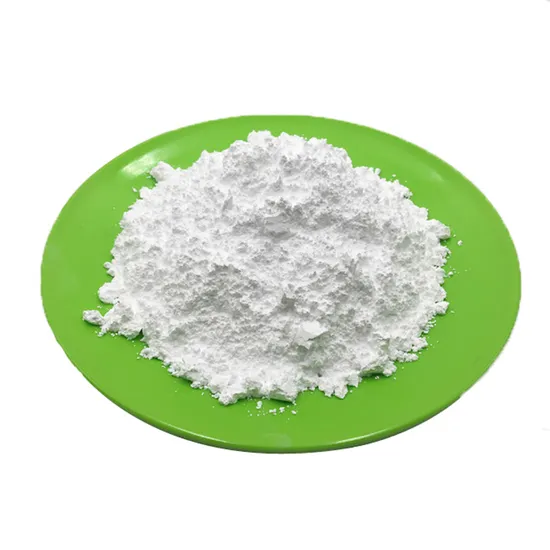
Form: White, odorless nanopowder to fine micronized powder
-
Color: White to slightly off-white
-
Particle Size (D50): 0.5 – 5.0 µm (customizable: 50 nm – 10 µm)
-
Specific Surface Area (BET): 5 – 15 m²/g
-
Density: ~5.01 g/cm³ (true density)
-
Melting Point: 2,425 °C
-
-
Packaging Options:
-
25 kg fiber drums with inner PE liner
-
500 kg FIBC (big bags) for bulk orders
-
Vacuum-sealed aluminum foil bags (for sensitive optical applications)
-
-
Shelf Life: 36 months in original unopened packaging, stored in dry, non-reactive environment.
3. Core Industrial Applications
-
Solid-State Lighting (LED/OLED): Used as a host material for europium-activated red phosphors. Advantage: 15% higher luminous efficacy than standard-grade yttria due to minimized Fe and Cu quenching.
-
Advanced Ceramics (Transparent YAG): Y₂O₃ precursor for Yttrium Aluminum Garnet (YAG) laser ceramics. Advantage: Superior sinterability and phase purity, reducing porosity to <0.1% for high-power laser windows.
-
Plasma Display Panels (PDP) & Scintillators: Critical for high-brightness phosphors. Advantage: Consistent particle size distribution reduces manufacturing rejects by up to 20%.
-
Thermal Barrier Coatings (Aerospace/Industrial Turbines): Y₂O₃-stabilized ZrO₂ (YSZ) coatings. Advantage: Extends component life by 3x compared to non-yttria-stabilized coatings under cyclic thermal load (1,300°C).
-
Biomedical Implants (Zirconia-Toughened Alumina): Enhances fracture toughness. Advantage: ISO 13356 compliance ready for orthopedic joint replacements.
4. Competitive Advantages
-
Quality Consistency: 100% batch-tested via ICP-OES and XRD. Certificate of Analysis (CoA) provided with every shipment; statistical process control (SPC) ensures lot-to-lot variation <2% RSD.
-
Supply Reliability: Backed by long-term rare earth separation contracts with licensed producers. Stocked in three regional hubs (Asia, EU, North America). Lead time: 7–14 days for standard grades.
-
Logistics Capability: Anti-humidity packaging; UN3077 classified but non-hazardous for sea/air freight. Full customs documentation (HS Code 2846.90) for rapid clearance.
-
Price Competitiveness: Direct sourcing from separation plants – eliminates 2–3 intermediary markups. Volume discounts indexed to rare earth market benchmarks.
-
Sustainability: 95% recycling compatibility; low-energy calcination process. Conflict-free and REACH/RoHS compliant. Available with traceable “Green Yttrium” certification upon request.
-
Technical Support: In-house application engineers provide sintering profiles, dispersion protocols, and failure analysis free of charge.
5. Commercial & Supply Information
-
Minimum Order Quantity (MOQ): 25 kg (one fiber drum) for spot orders; 1 metric ton for contract pricing.
-
Bulk Loading Capacity: 20 MT per 20-foot standard container (FIBC-packed, palletized, 18–20 MT net weight depending on density optimization).
-
Standard Container Capacity (20’): 20 metric tons (MT) – configured as 20 MT net in 40 x 500 kg FIBCs or 800 x 25 kg drums.
Note: Maximum payload may be adjusted to 18 MT for air-sensitive packaging variants.
Reviews
There are no reviews yet.