
Description
1. Product Overview
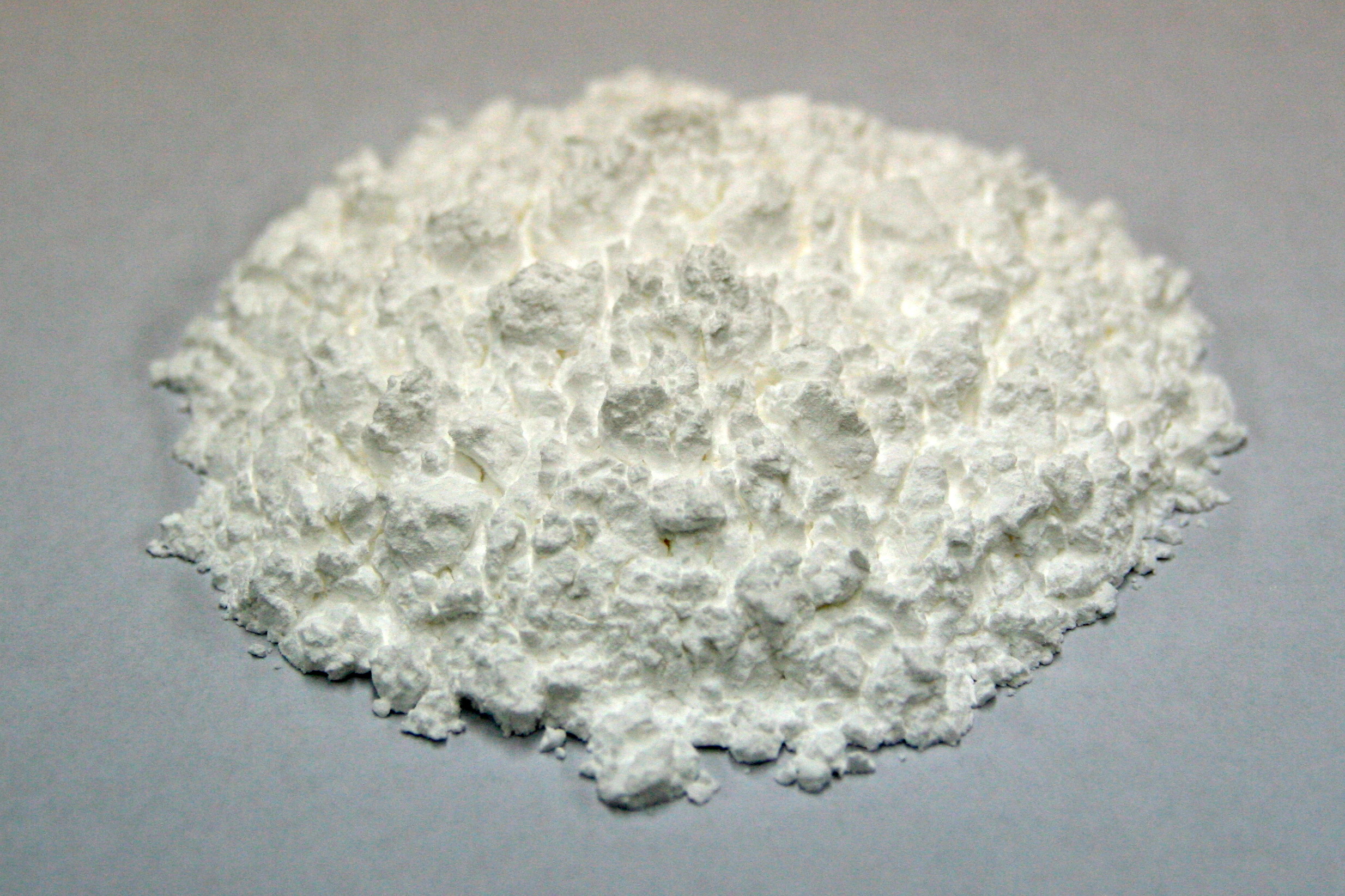
Yttrium Oxide Residue is a secondary yttrium-bearing material recovered from rare earth refining, polishing, and phosphor manufacturing processes. Its primary industrial use is as a cost-effective feedstock for extracting high-purity Y₂O₃, producing yttrium metal, and manufacturing yttrium-based ceramics, alloys, and specialty glass. The key value proposition lies in delivering significant raw material cost savings while maintaining consistent yttrium content for downstream processing. It is strategically important in the market as global demand for yttrium in electronics, energy, and defense accelerates, making recycled/residual streams critical for supply security and circular economy compliance.
2. Key Specifications & Technical Characteristics
- Chemical Composition: Y₂O₃ content 15% – 65% typical, with balance including Al₂O₃, SiO₂, Fe₂O₃, CaO, and trace rare earth oxides; LOI < 8%
- Purity Level / Grade: Industrial / Metallurgical Grade; custom assays available per batch with full ICP-OES certification
- Physical Characteristics:
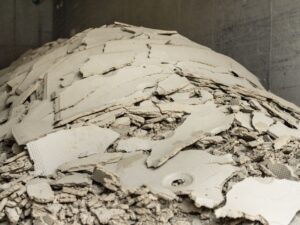
- Form: Fine powder to granular residue
- Color: Off-white to light brown/grey depending on impurities
- Particle Size: D50 10–150 microns, customizable via screening
- Bulk Density: 1.2 – 2.1 g/cm³
- Packaging Options: 25kg / 50kg woven PP bags with PE liner, 1MT jumbo bags, or 1MT drums; palletized and shrink-wrapped for export
- Shelf Life: Indefinite when stored in dry, sealed conditions; moisture absorption < 0.5% per annum
3. Core Industrial Applications
- Primary Industries: Rare earth separation plants, yttrium metal producers, advanced ceramics, phosphor recycling, thermal spray coatings, and specialty glass manufacturers
- Specific Operational Use Cases: Direct feedstock for solvent extraction to recover Y₂O₃ > 99.9%; alloying addition in magnesium, aluminum, and superalloys; precursor for YSZ ceramic electrolytes; dopant in laser crystals and LED phosphors
- Performance vs Alternatives: Offers 30–50% cost reduction compared to virgin yttrium oxide with comparable recovery rates in optimized leach circuits; reduces mining dependency and lead times
- Efficiency / Cost Advantages: Lowers raw material input cost per kg of recovered Y₂O₃; enables circular supply chains; reduces waste disposal liability for generators; stable performance in hydrometallurgical processing
4. Competitive Advantages
- Quality Consistency: Every lot assayed and blended to contracted Y₂O₃ range; COA and MSDS provided; traceability to source facility
- Supply Reliability: Established collection network from multiple tier-1 phosphor and polishing facilities; 500–1,000MT monthly availability
- Logistics Capability: Experienced in DG-compliant export, SGS/CCIC inspection, and CIQ documentation; FOB/CIF to major Asian, EU, and NA ports
- Price Competitiveness: Indexed to Y₂O₃ metal price with fixed discount structure for long-term offtake; no rare earth export quota impact
- Sustainability Benefits: Classified as recycled material under EU CRM Act and US IRA guidance; reduces carbon footprint vs primary mining by >60%; supports ESG reporting
- Technical Support: Metallurgical advisory for leaching and separation; pilot testing support; complete regulatory dossier including RoHS, REACH compliance
5. Commercial & Supply Information
- Minimum Order Quantity (MOQ): BULK 20MT
- Loading Capacity (MT per container): 20MT per 20’ FCL
Reviews
There are no reviews yet.