
Description
- Product Overview
Vinylidene chloride copolymers are high-performance thermoplastic resins derived primarily from vinylidene chloride, often copolymerized with vinyl chloride or acrylates to enhance flexibility, processability, and barrier performance. These materials are widely used in advanced packaging, coating, and film applications where superior gas and moisture barrier properties are critical. Their key value proposition lies in exceptional protection against oxygen, water vapor, and chemical permeation, significantly extending product shelf life and integrity. Strategically, they are essential in global supply chains for food preservation, pharmaceuticals, and industrial protective films, where performance reliability directly impacts product safety and market competitiveness. - Key Specifications & Technical Characteristics
- Chemical Composition: Vinylidene chloride copolymer (typically vinylidene chloride–vinyl chloride or vinylidene chloride–methyl acrylate systems)
- Purity/Grade: Industrial grade / food-contact compliant grades available (depending on specification)
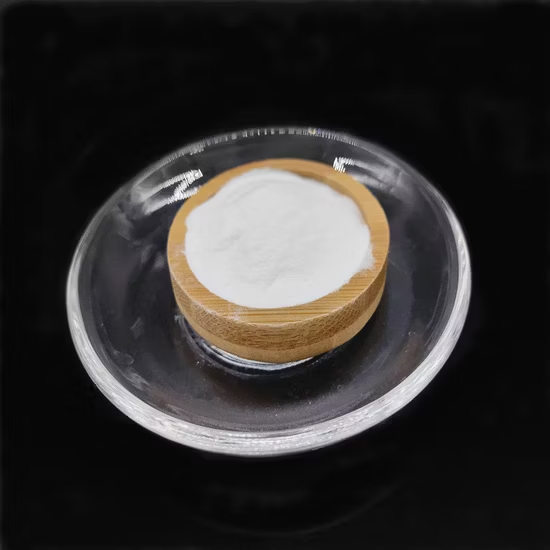
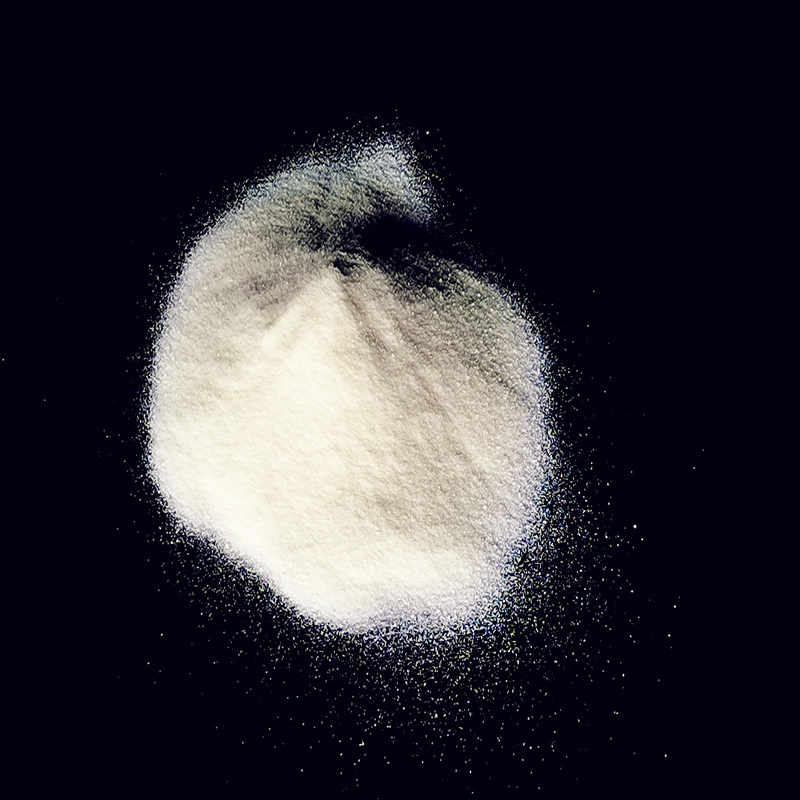
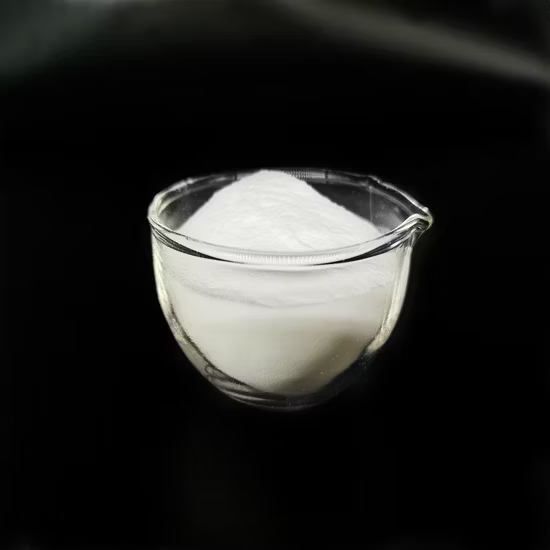
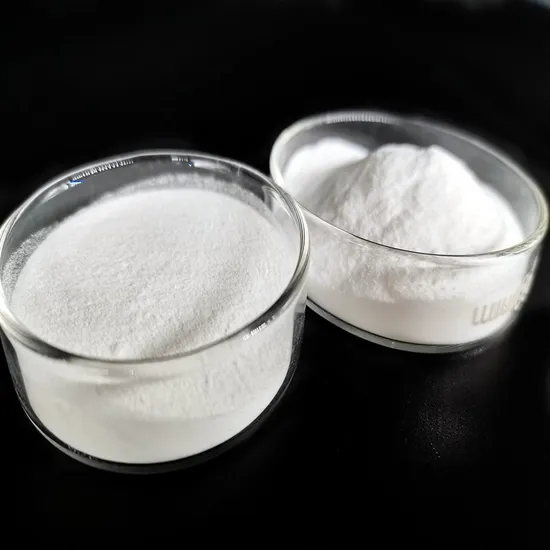
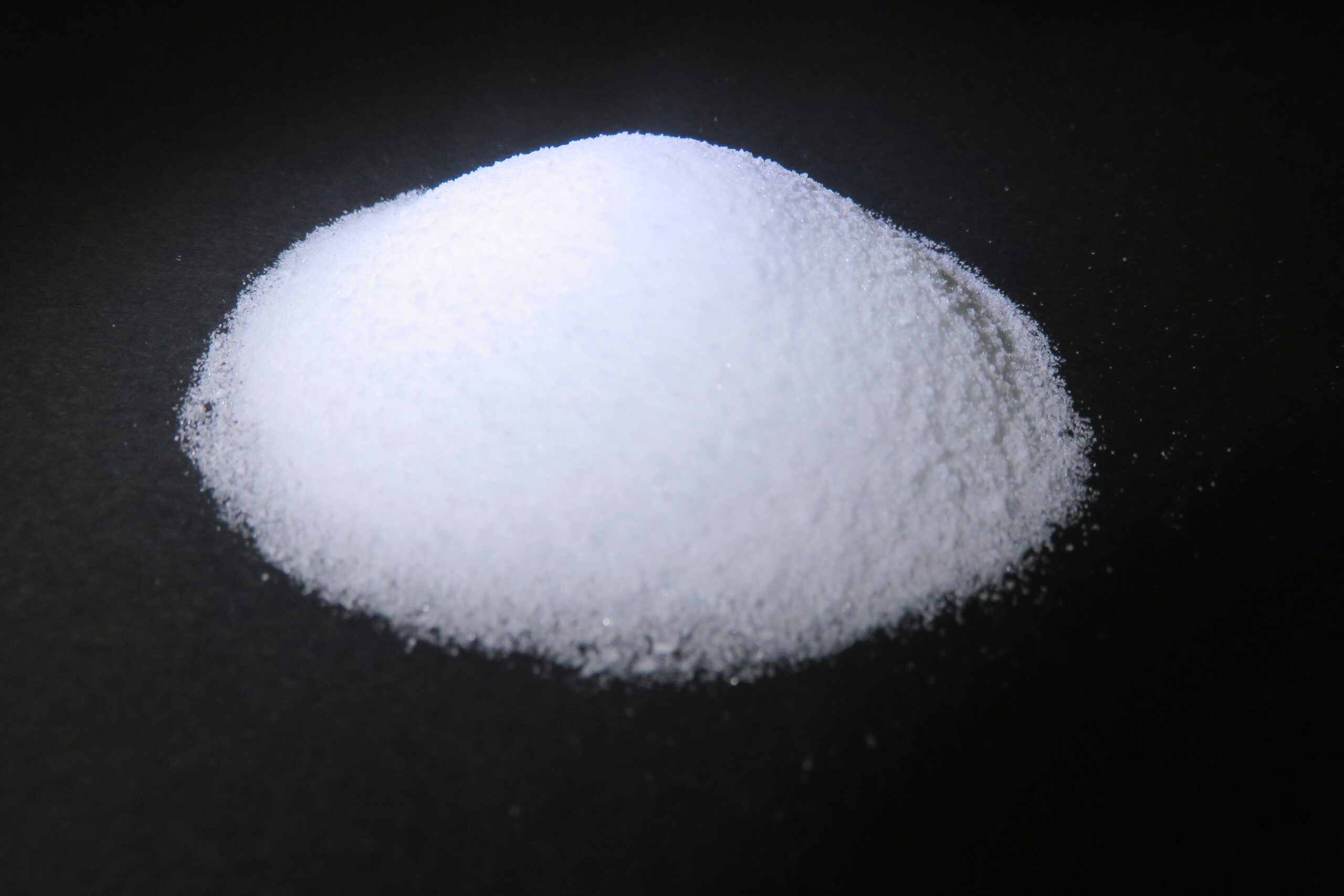
- Physical Form: White to off-white powder or aqueous dispersion (latex form available)
- Particle Size: Customizable (typically fine powder for extrusion and coating applications)
- Density: ~1.6–1.8 g/cm³ (varies by copolymer ratio)
- Thermal Characteristics: Moderate thermal stability suitable for coating and film extrusion processes
- Solubility: Insoluble in water; compatible with selected organic solvents and dispersion systems
- Packaging Options: 25 kg multi-layer bags, fiber drums, or bulk FIBC (jumbo bags)
- Shelf Life: 12–24 months under dry, cool, and sealed storage conditions
- Core Industrial Applications
Vinylidene chloride copolymers are extensively used in the food packaging industry for high-barrier films that preserve freshness and extend shelf life of perishable goods. In pharmaceuticals, they serve as protective coating materials for blister packaging, ensuring drug stability against moisture and oxygen exposure. They are also applied in industrial laminates, shrink films, and protective coatings for chemicals and sensitive materials. Compared to conventional polymers, these copolymers deliver superior barrier performance, reducing material thickness requirements while maintaining or improving protective efficiency, thereby lowering overall packaging costs and improving sustainability in resource utilization. - Competitive Advantages
- High Barrier Performance: Exceptional resistance to oxygen, moisture, and aroma transmission
- Consistent Quality: Strict process control ensures uniform molecular structure and performance stability
- Reliable Supply Chain: Scalable production capacity suitable for continuous industrial demand
- Cost Efficiency: Reduced material usage due to high-performance barrier properties
- Sustainability Benefits: Enables downgauging of packaging materials, reducing plastic consumption
- Technical Support: Comprehensive documentation, formulation guidance, and application engineering support available
- Logistics Efficiency: Optimized packaging and global shipping readiness for bulk industrial distribution
- Commercial & Supply Information
- Minimum Order Quantity (MOQ): BULK 20 MT
- Loading Capacity: Up to 20 MT per 20-foot container (subject to packaging type and density)


Reviews
There are no reviews yet.