
Description
1. Product Overview
Vinylidene chloride copolymers are high-barrier thermoplastic resins engineered to deliver exceptional resistance to moisture, oxygen, and chemical permeation. They are primarily used in multilayer flexible and rigid packaging structures for food, pharmaceutical, and industrial applications. The key value proposition lies in extending product shelf life while reducing overall material thickness—driving both sustainability and cost efficiency. Strategically, these copolymers are critical as global regulations tighten on single-use plastics and converters seek lightweight, high-performance alternatives to metalized films and EVOH in humid environments.
2. Key Specifications & Technical Characteristics
-
Chemical composition: Copolymer of vinylidene chloride with vinyl chloride or methyl acrylate (VDC-VC, VDC-MA grades)
-
Purity level: ≥ 99.5% polymer content; low residual monomer (< 5 ppm)
-
Physical characteristics:
-
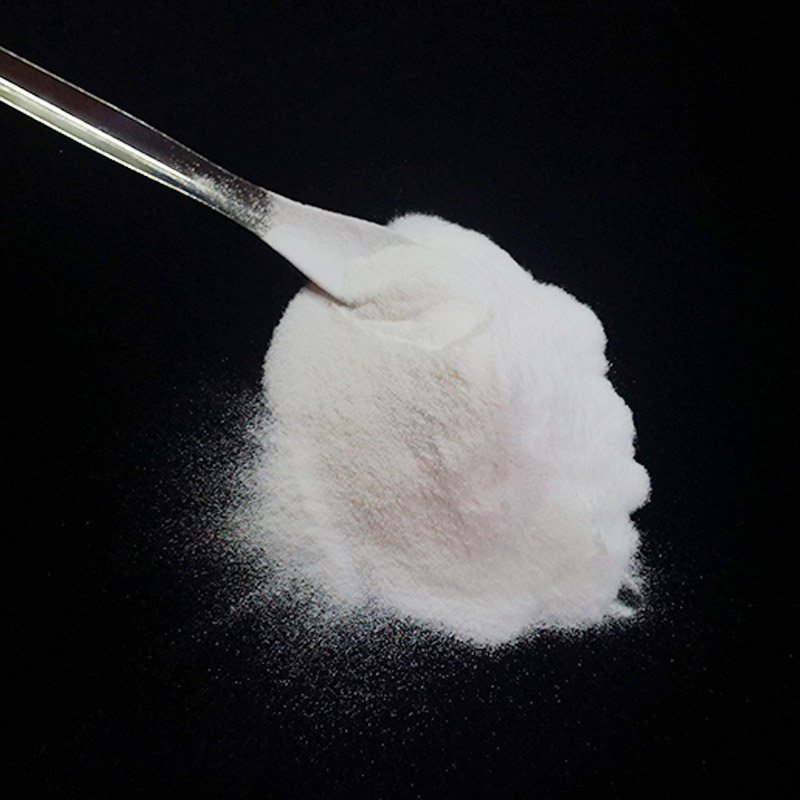
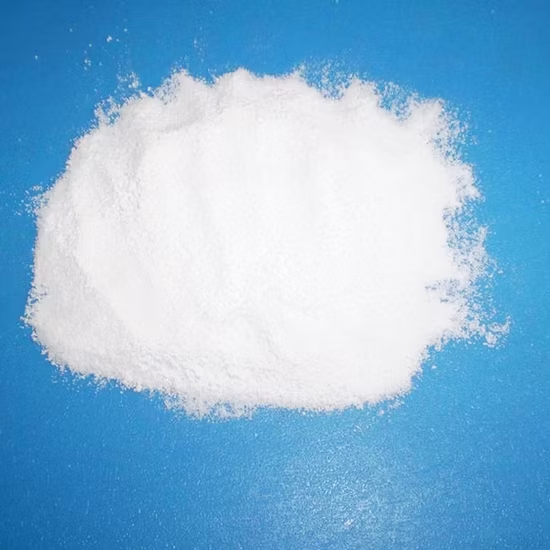
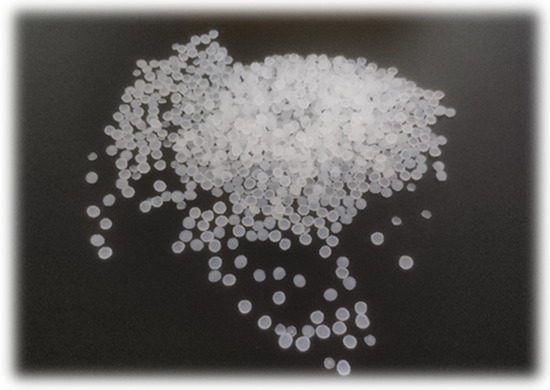
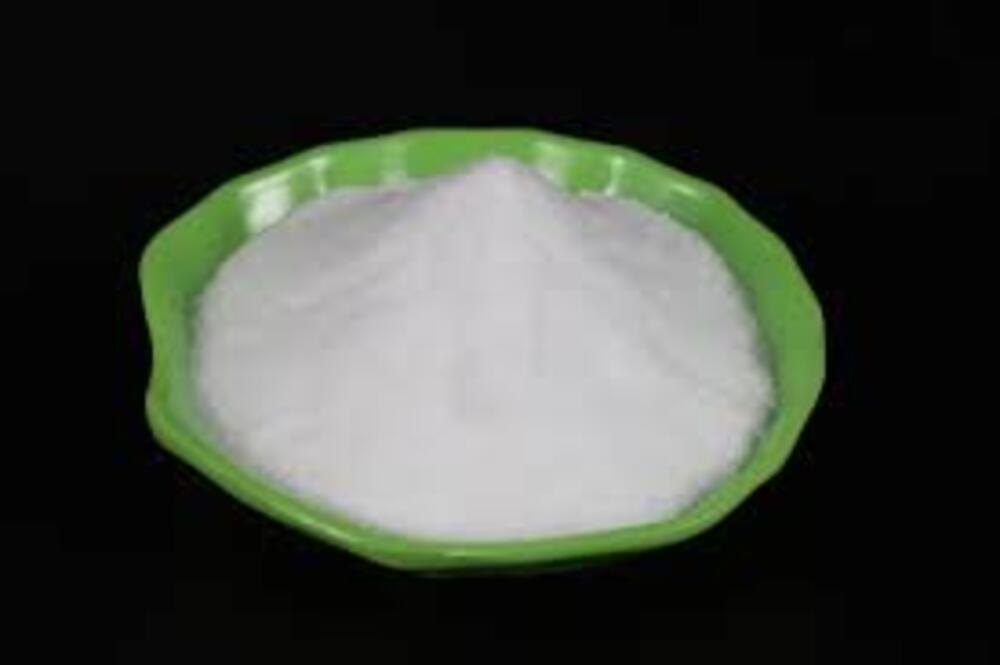
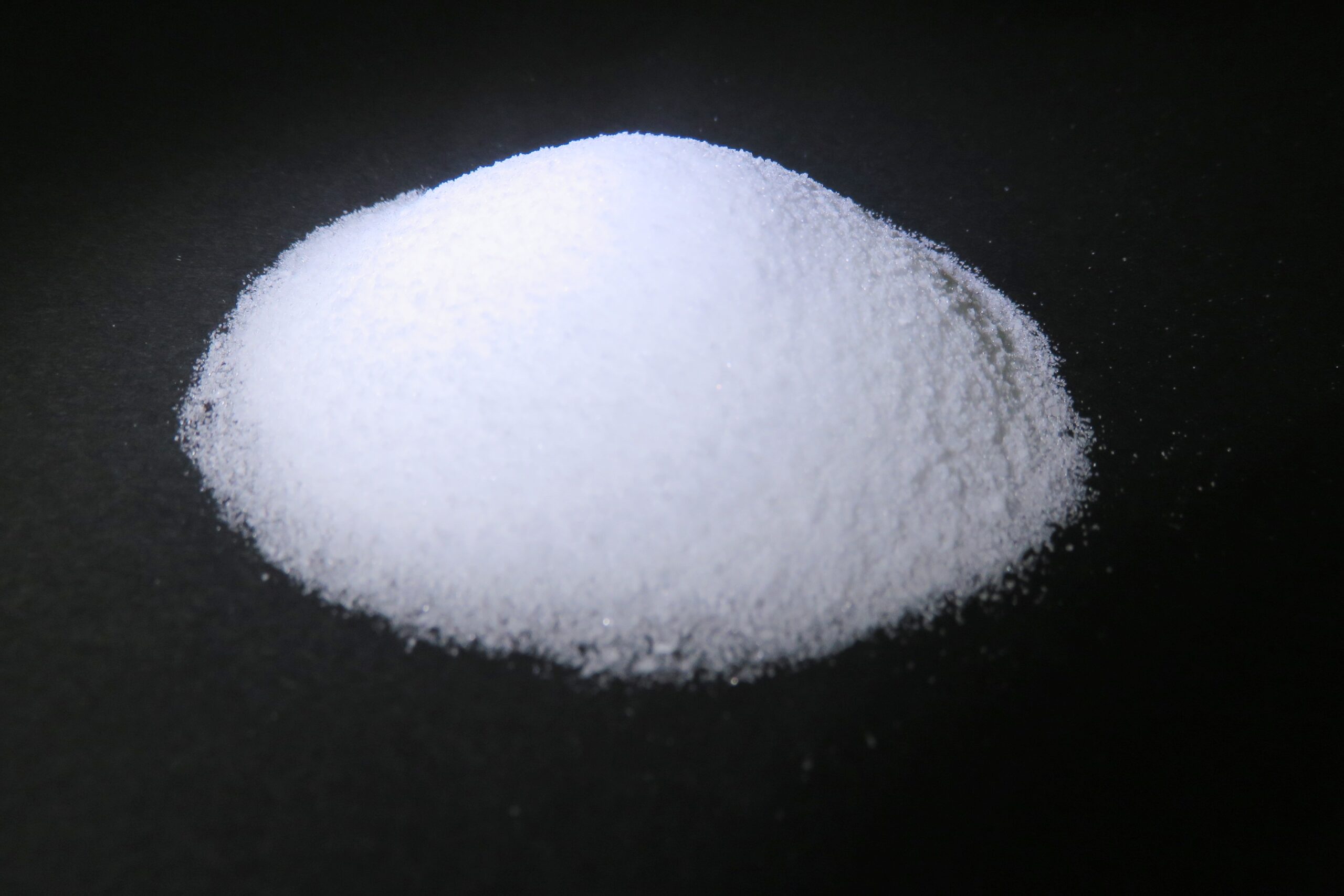
White to off-white free-flowing powder or pellets
-
Particle size: 100–800 µm (customizable for extrusion or coating)
-
Density: 1.65–1.72 g/cm³
-
Melt flow index (MFI): 2–15 g/10 min (190°C/2.16 kg)
-
-
Packaging options: 25 kg multi-layer moisture-barrier bags; 600 kg bulk supersacks; flexible IBC liners
-
Shelf life: 12 months when stored below 25°C in original unopened packaging with < 60% relative humidity
3. Core Industrial Applications
-
Primary industries: Flexible packaging (food, medical devices), rigid barrier containers, industrial laminates, agricultural films.
-
Specific operational use cases: Multi-layer coextruded films for cheese, meats, cereals, and dried foods; pharmaceutical blister base webs; chemical-resistant liners for agrochemicals.
-
Performance advantage vs. alternatives: Maintains barrier properties at high humidity (unlike EVOH), is more cost-effective than PVDC-coated films, and requires lower coating weight than aluminum foil.
-
Efficiency gains: Enables downgauging from 50 µm to 30 µm without loss of shelf life, reducing material consumption by up to 40%.
4. Competitive Advantages
-
Quality consistency: ISO 9001:2025 certified production with real-time SPC monitoring; batch-to-batch viscosity deviation < 3%.
-
Supply reliability: Dual-sourced raw material feedstocks; three regional warehouses (Americas, Europe, Asia) for 48-hour dispatch.
-
Logistics capability: Temperature-controlled container shipping standard; full lot traceability via blockchain-enabled documentation.
-
Price competitiveness: Tiered pricing for annual volumes > 500 MT; transparent cost pass-through for monomer indices.
-
Sustainability: 100% recyclable in compatible polyolefin streams; chlorine-free manufacturing process option available upon request.
-
Technical support: Dedicated application engineers for coextrusion screw design and processing parameters; full FDA, EU 10/2011, and China GB compliance documentation.
5. Commercial & Supply Information
-
Minimum order quantity (MOQ): 20 MT (full container load)
-
BULK 20MT Loading capacity: 20 MT per 20-ft dry container (pellet form) or 18 MT per 20-ft container (powder form)


Reviews
There are no reviews yet.